
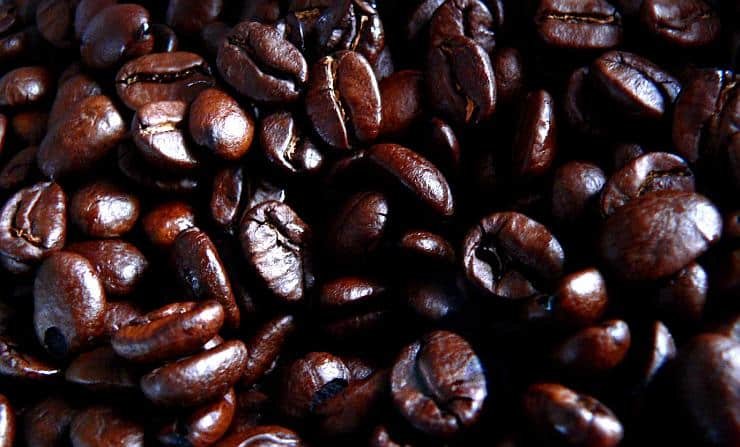
Why Is My Coffee Oily? (And What Oily Beans Actually Mean)
If your coffee beans look shiny, your grinder feels greasy, or there’s a visible oil slick on top of your brewed coffee, you’re not alone.
Oily coffee raises a lot of questions:
- Is something wrong with my beans?
- Is oily coffee bad?
- Does it mean the coffee is stale or burnt?
- Is it damaging my grinder?
The good news?
👉 Oily coffee is usually normal, but what it means depends heavily on roast level, freshness, and brew method.
This guide explains why coffee becomes oily, when it’s a problem, when it’s expected, and how to fix issues caused by excessive oil.
Amazon Associates Program: Some links on this site are generated through the Amazon Associates Program. We only recommend products and services we genuinely trust and believe provide real value. Please see our Terms & Conditions.
What “Oily Coffee” Actually Means


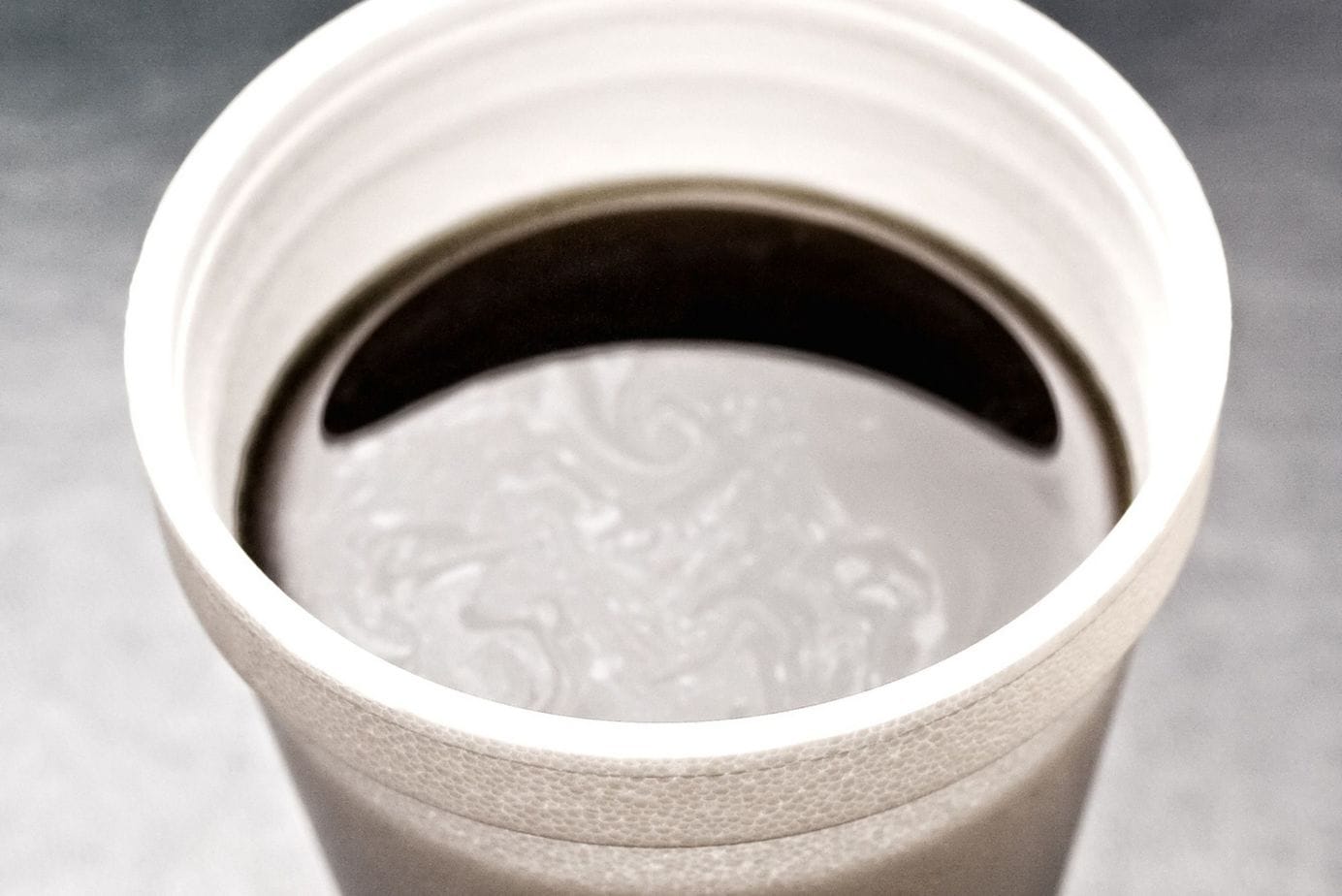
Coffee oils (lipids) are naturally present inside every coffee bean.
They carry:
- Aroma
- Flavor
- Body
- Mouthfeel
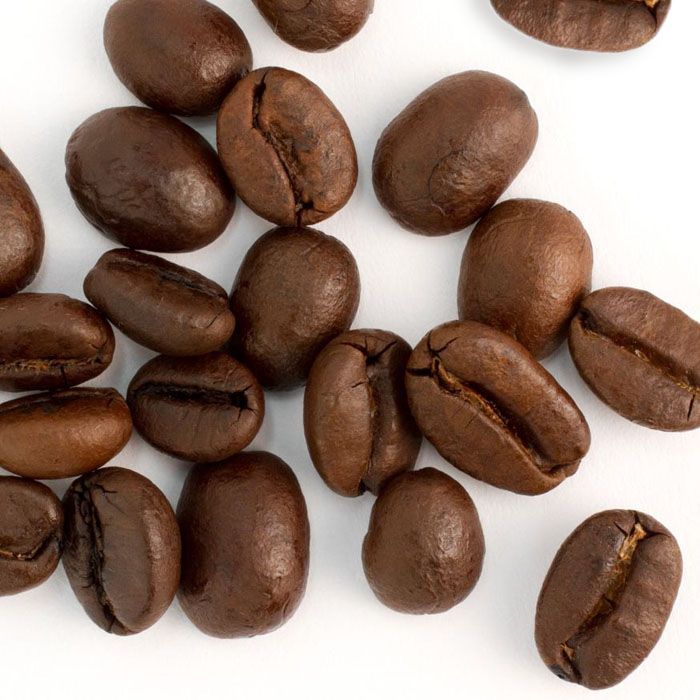
When you see oil, it means those compounds have migrated out of the bean and onto the surface.
Oil itself isn’t bad — but too much oil changes flavor, storage, and equipment wear.
The #1 Cause of Oily Coffee Beans: Dark Roasts

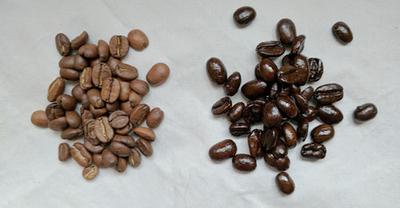
Dark roasting breaks down the bean’s internal structure.
As roast level increases:
- Cell walls crack
- Oils escape to the surface
- Beans become shiny and slick
This is expected in:
- Dark roast
- French roast
- Italian roast
- Espresso blends roasted very dark
If your beans are dark, oiliness is normal.
Oily Beans ≠ Stronger Coffee (Common Myth)


Many people assume oily beans mean stronger coffee.
Reality:
- Dark roasts taste bold, not strong
- Strength comes from brew ratio and extraction
- Oily beans often extract more easily, not more intensely
Dark ≠ stronger
Oily ≠ higher caffeine
Freshness: When Oil Means Beans Are Past Their Prime

Oil on very old beans can signal oxidation, not roast.
As beans age:
- Oils continue migrating outward
- Oxygen degrades flavor compounds
- Rancid flavors develop
If beans are:
- Oily and
- Several months old
…the oil is no longer a good thing.
Brew Method: Why Some Coffee Looks Oilier in the Cup


How you brew coffee dramatically affects oil visibility.
Methods that retain oils:
- French press
- Metal pour-over filters
- Espresso
- Turkish coffee
Methods that remove oils:
- Paper filters
- Drip coffee makers
- Chemex
Paper filters absorb oils — metal filters don’t.
Is Oily Coffee Bad for You?


Coffee oils contain compounds like cafestol.
Research suggests:
- Unfiltered coffee oils may raise LDL cholesterol
- Paper-filtered coffee removes most oils
- Moderate consumption is generally fine for healthy individuals
If cholesterol is a concern, paper filters are the simplest fix.
Oily Coffee and Grinder Problems (Very Important)
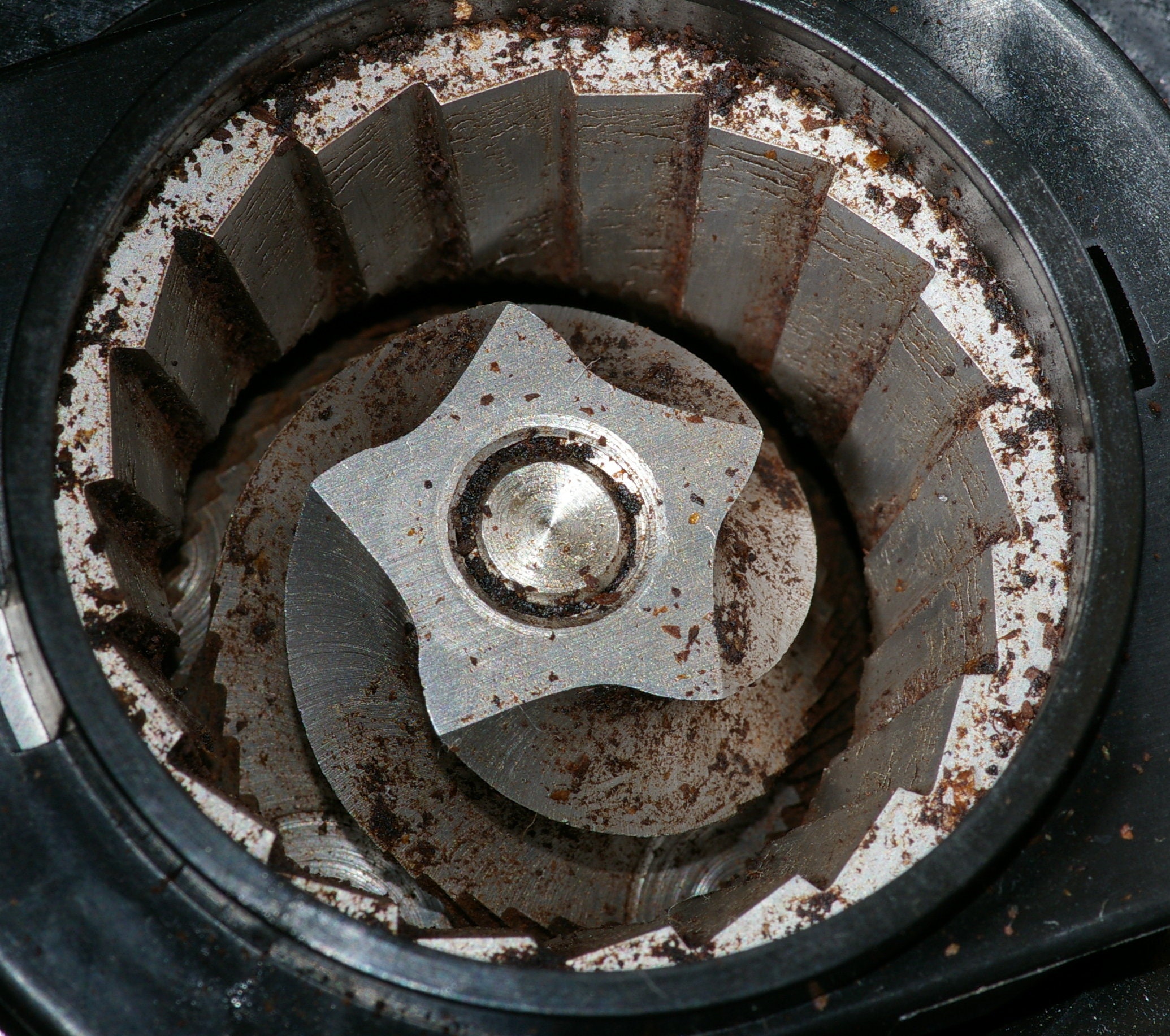
Oily beans can:
- Coat burrs
- Trap stale grounds
- Accelerate grinder wear
- Cause clumping
This is especially problematic for:
- Entry-level grinders
- Blade grinders
- Grinders without easy cleaning access
Dark, oily beans require more frequent cleaning.
Oily Coffee Can Taste Flat or Burnt


Excess oil often correlates with:
- Smoky flavors
- Burnt notes
- Flat aftertaste
This is roast-driven, not brewing error.
If your coffee tastes oily and burnt, the roast is likely too dark for your preference.
How to Reduce Oiliness (If You Want To)

You can’t remove oil from dark beans — but you can reduce its impact:
- Switch to medium roast
- Use paper filters
- Brew with slightly coarser grind
- Clean grinder regularly
- Store beans airtight, away from heat
Oiliness drops dramatically one roast level lighter.
Oily Coffee vs Stale Coffee (Key Difference)


| Oily Coffee | Stale Coffee |
|---|---|
| Roast-related | Age-related |
| Shiny beans | Dull aroma |
| Bold flavor | Flat flavor |
Oily doesn’t automatically mean bad — age does.
When Oily Coffee Isn’t a Problem at All
Some people love oily coffee because:
- It feels richer
- It coats the mouth
- It pairs well with milk
In espresso drinks and milk-based drinks, oily beans often work beautifully.
Leave a Reply