
Bitter espresso is one of the most common — and most frustrating — problems home baristas face. You buy better beans, upgrade your machine, and follow tutorials… yet the result is still harsh, sharp, and unpleasant.
The good news?
👉 Bitter espresso is almost always fixable, and the cause is nearly always over-extraction — not bad beans or bad equipment.
This guide walks you through exactly why espresso tastes bitter, how to diagnose the cause, and how to fix it step by step, whether you’re a beginner or chasing café-level results.
Amazon Associates Program: Some links on this site are generated through the Amazon Associates Program. We only recommend products and services we genuinely trust and believe provide real value. Please see our Terms & Conditions.
What “Bitter Espresso” Actually Means
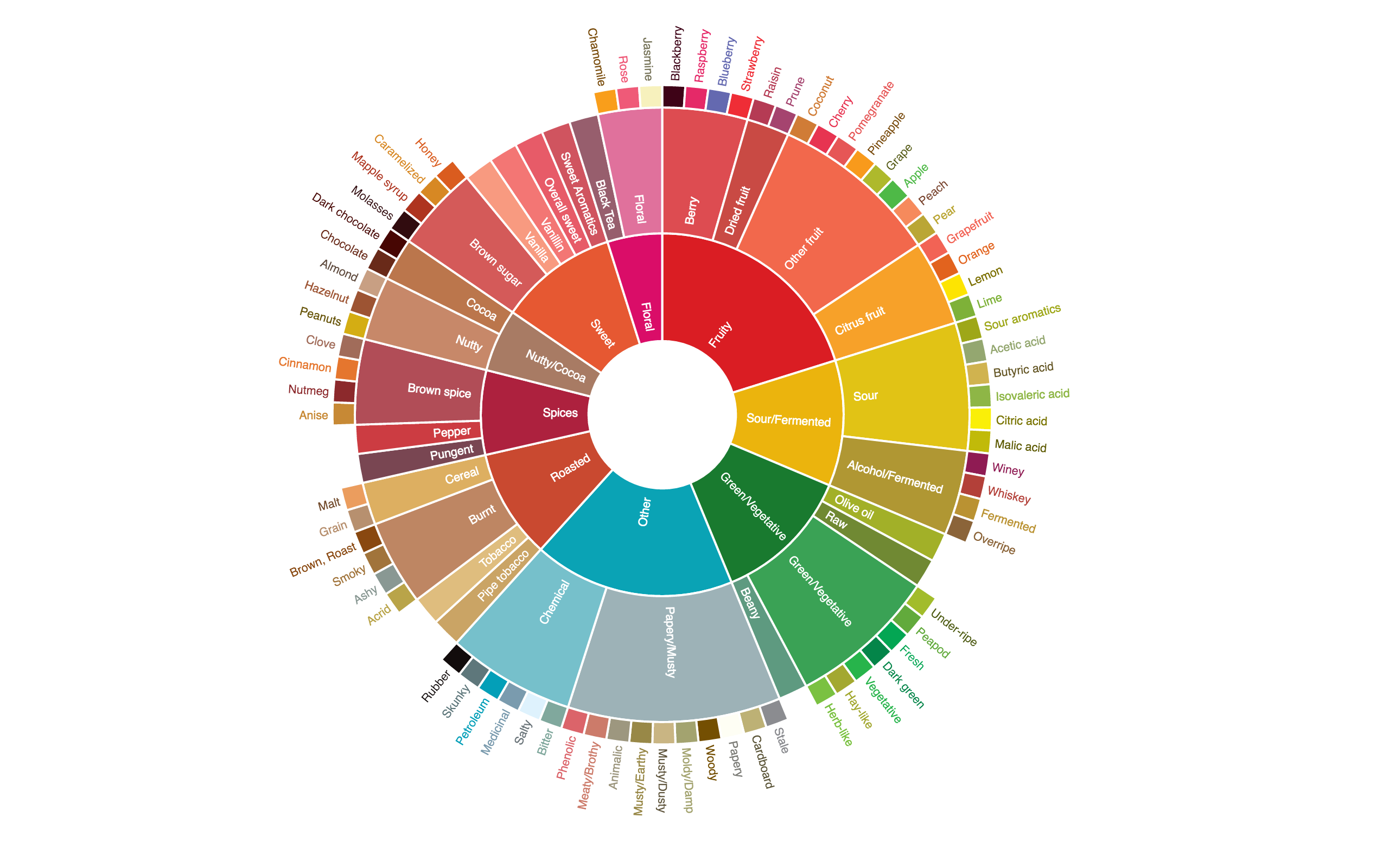
Bitterness in espresso happens when too many soluble compounds are pulled from the coffee grounds during brewing.
Espresso extraction occurs in stages:
- Acids extract first (bright, sour)
- Sugars extract next (sweet, balanced)
- Bitter compounds extract last (harsh, dry)
If your shot runs too long, too hot, or too slow, bitterness dominates.
Bitter ≠ strong
Bitter = imbalanced extraction
The #1 Cause of Bitter Espresso: Over-Extraction
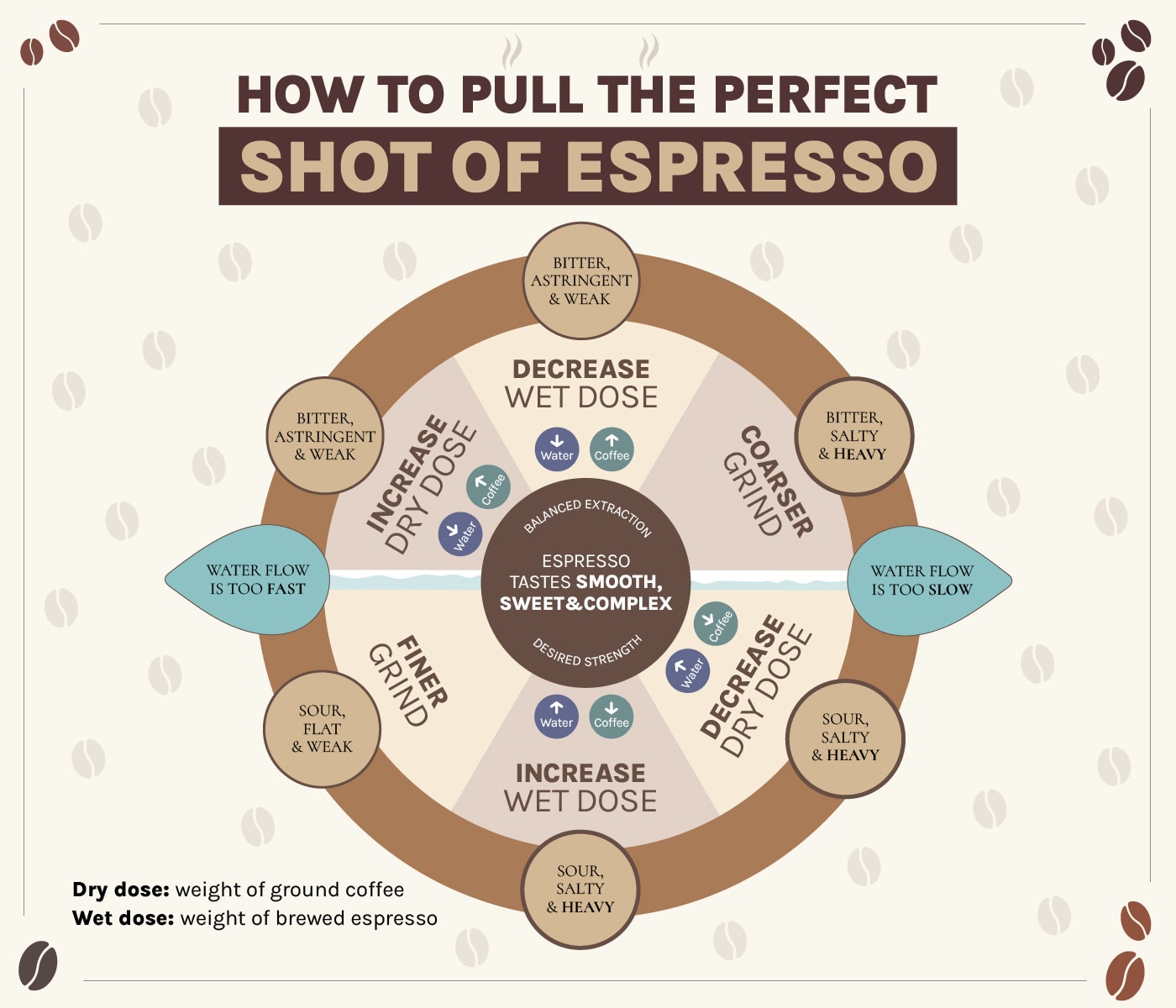
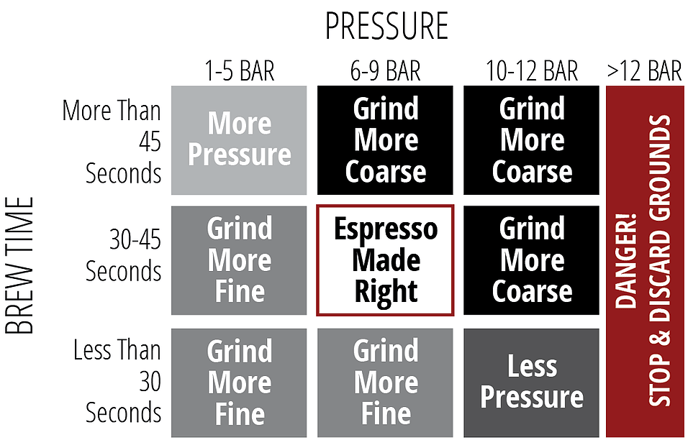
Over-extraction means water stayed in contact with the coffee too long or too aggressively.
Common over-extraction triggers:
- Grind is too fine
- Shot time is too long
- Brew ratio is too high
- Water temperature is too hot
- Pressure is too high or inconsistent
Most people unknowingly stack multiple mistakes at once, compounding bitterness.
Grind Size: The Most Common Mistake
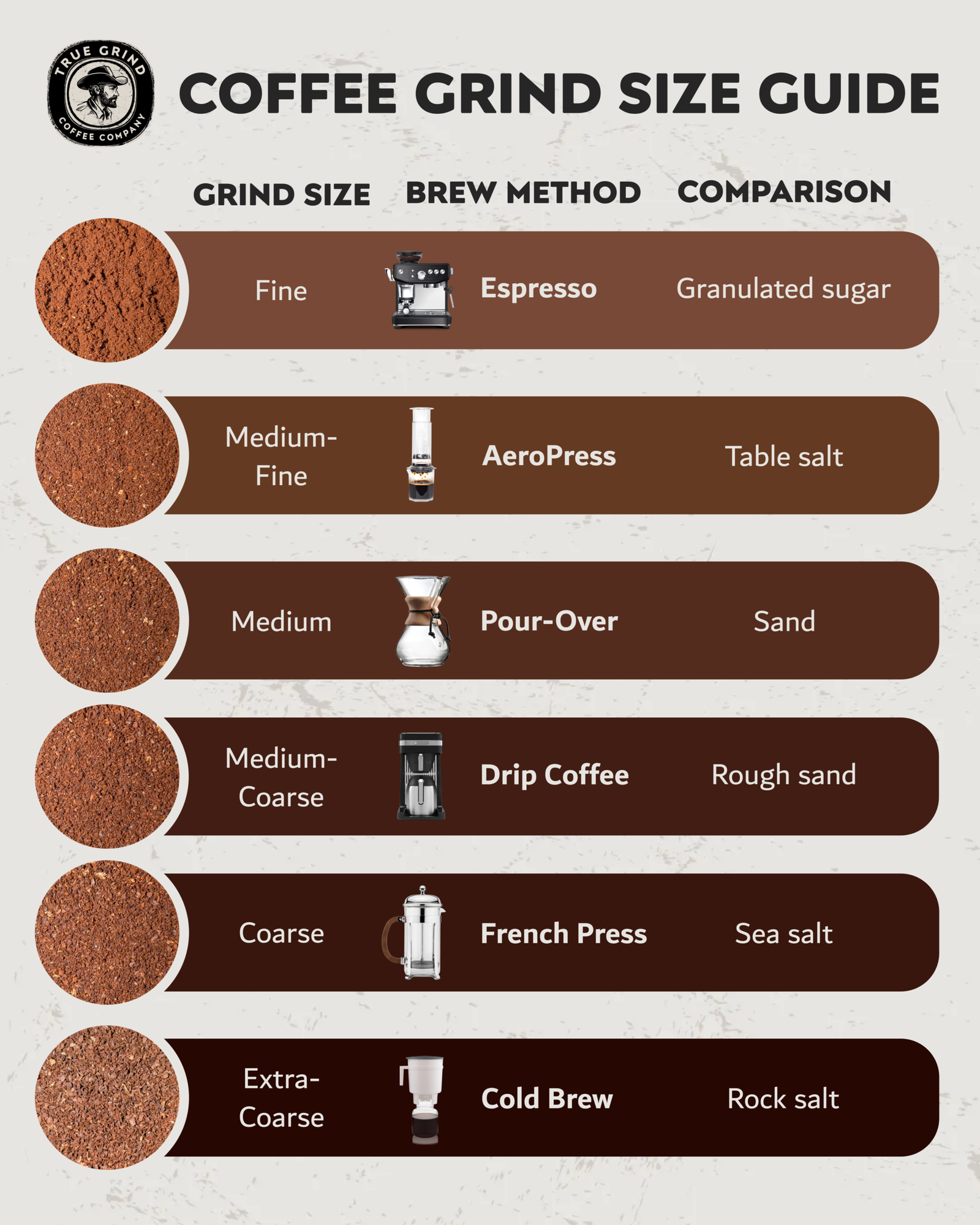
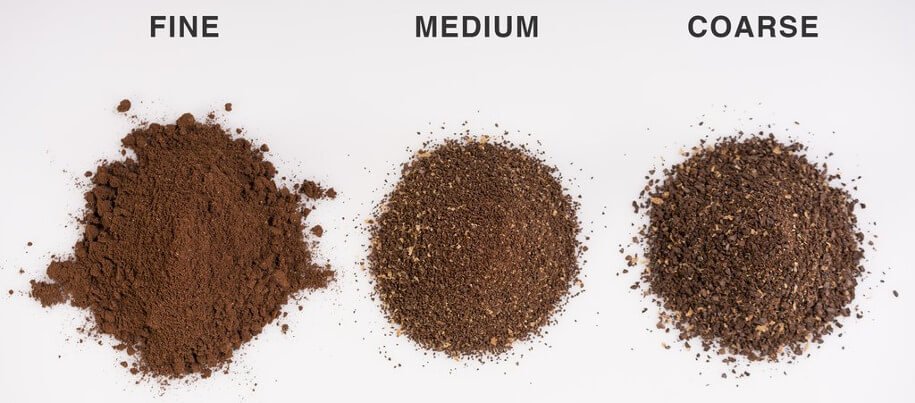
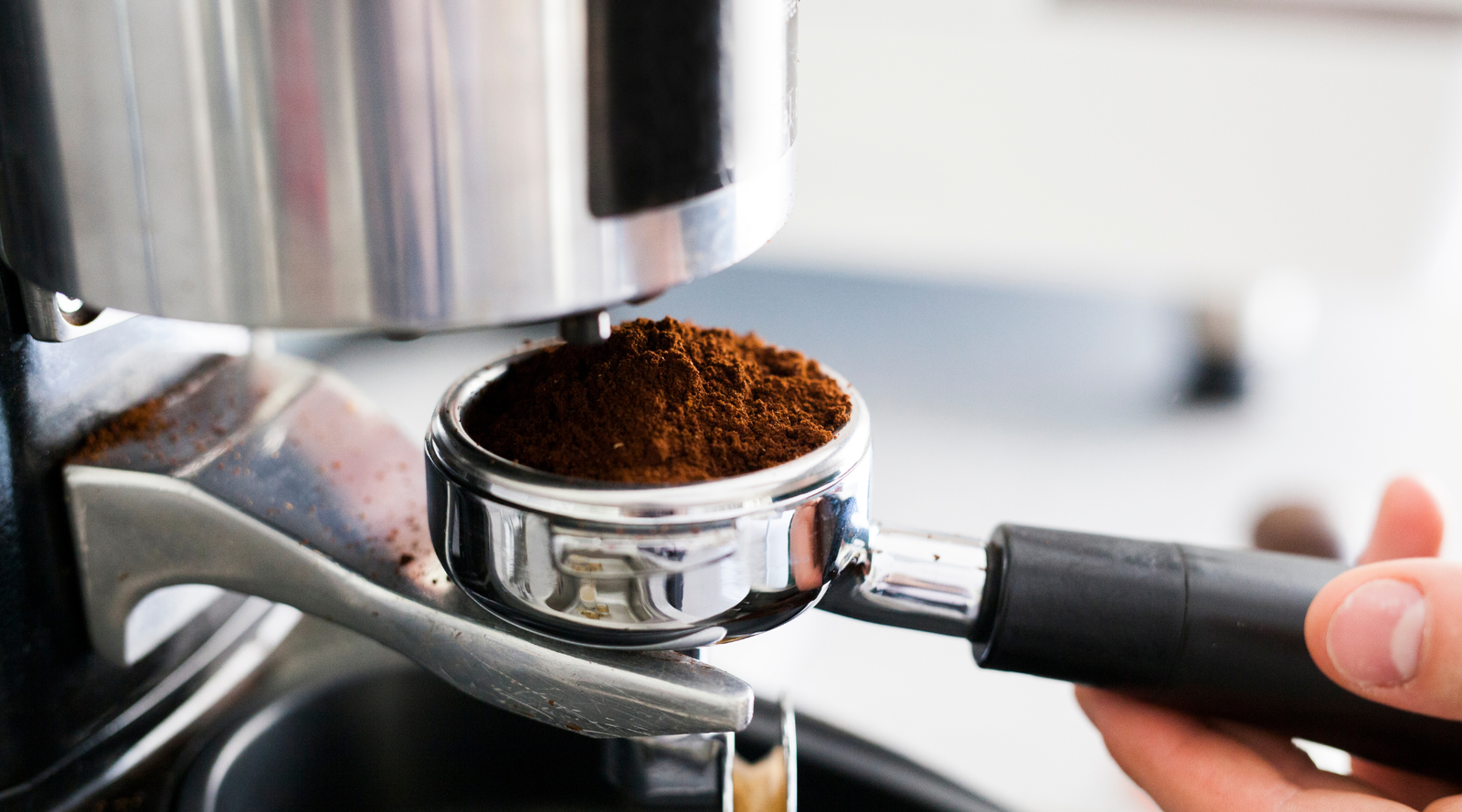
If your espresso tastes bitter, your grind is usually too fine.
Why this happens:
- Finer grind = slower water flow
- Slower flow = longer extraction
- Longer extraction = bitterness
Fix it:
- Adjust slightly coarser (tiny changes matter)
- Aim for 25–30 seconds total shot time
- If it chokes your machine, it’s too fine
👉 Affiliate insight:
Inconsistent grinders cause people to over-tighten grind size. A quality burr grinder dramatically reduces bitterness and is often the single best upgrade.
If you’re constantly adjusting your grind but still getting bitter shots, the issue is often the grinder itself — especially blade grinders or low-quality burr sets. This is why many home baristas upgrade to a consistent burr grinder designed specifically for espresso.
Shot Time: When Too Long Is Too Much
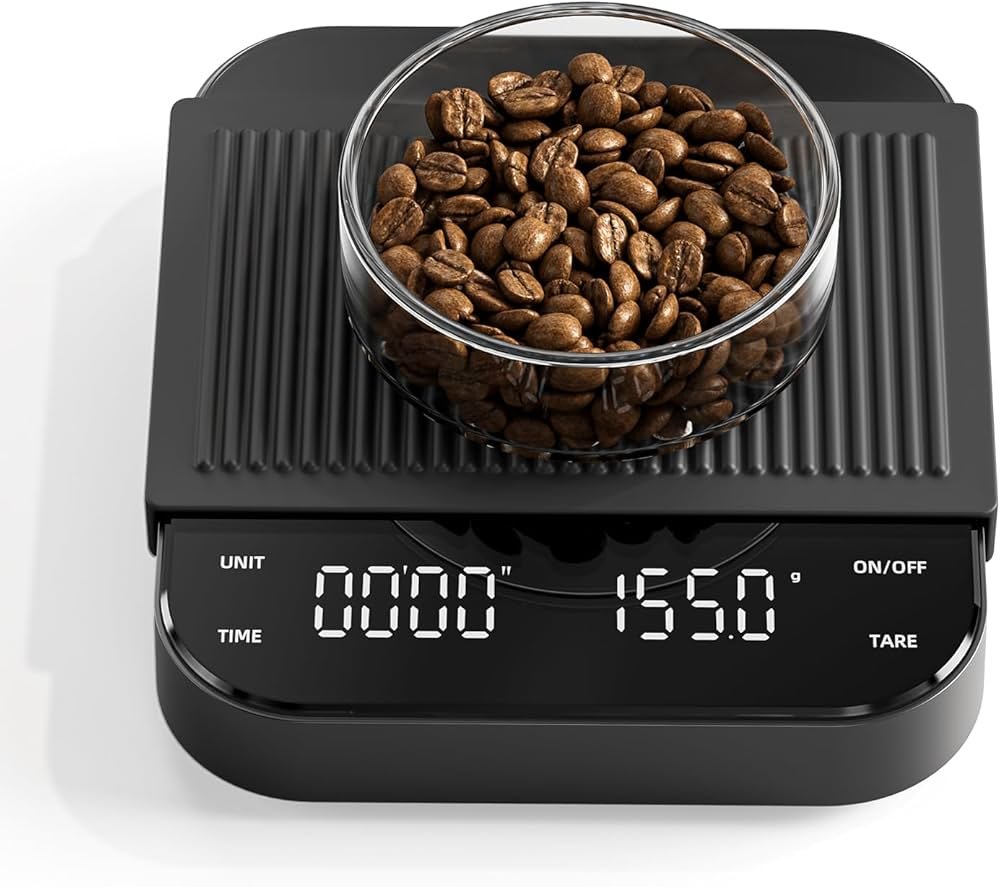
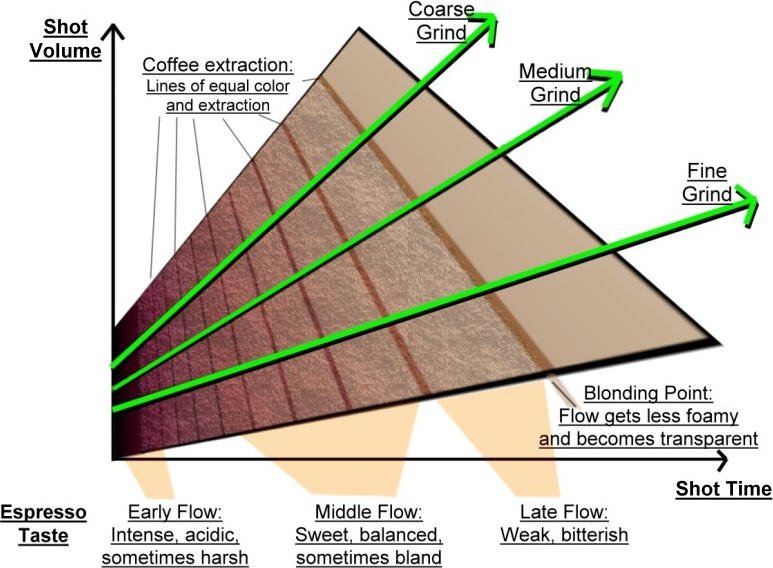
A classic bitter shot runs too long.
Target guideline:
- 18–20g dose
- 36–40g yield
- 25–30 seconds
If your shot:
- Exceeds 35 seconds → bitterness skyrockets
- Drips slowly instead of flowing → grind is too fine
Pro fix:
Stop chasing volume — chase time and ratio.
Brew Ratio: More Coffee Isn’t Better

Many beginners assume:
“More liquid = better value”
In espresso, that creates bitterness.
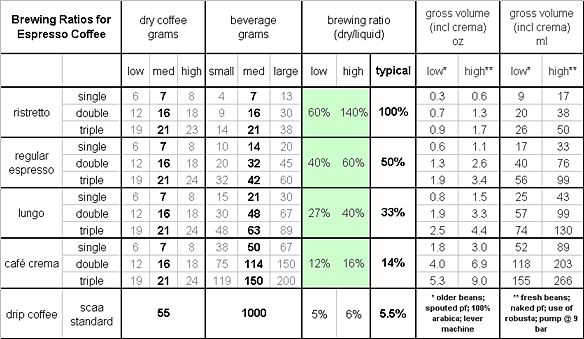
Ideal espresso ratio:
- 1:2 (example: 18g in → 36g out)
Going beyond 1:2.5 extracts harsh compounds that ruin balance.
👉 Affiliate insight:
A digital espresso scale is one of the cheapest tools that instantly improves flavor consistency.
Using a small espresso scale with a built-in timer makes it dramatically easier to stop shots at the right moment and avoid over-extraction.
Water Temperature: Hotter = Bitter
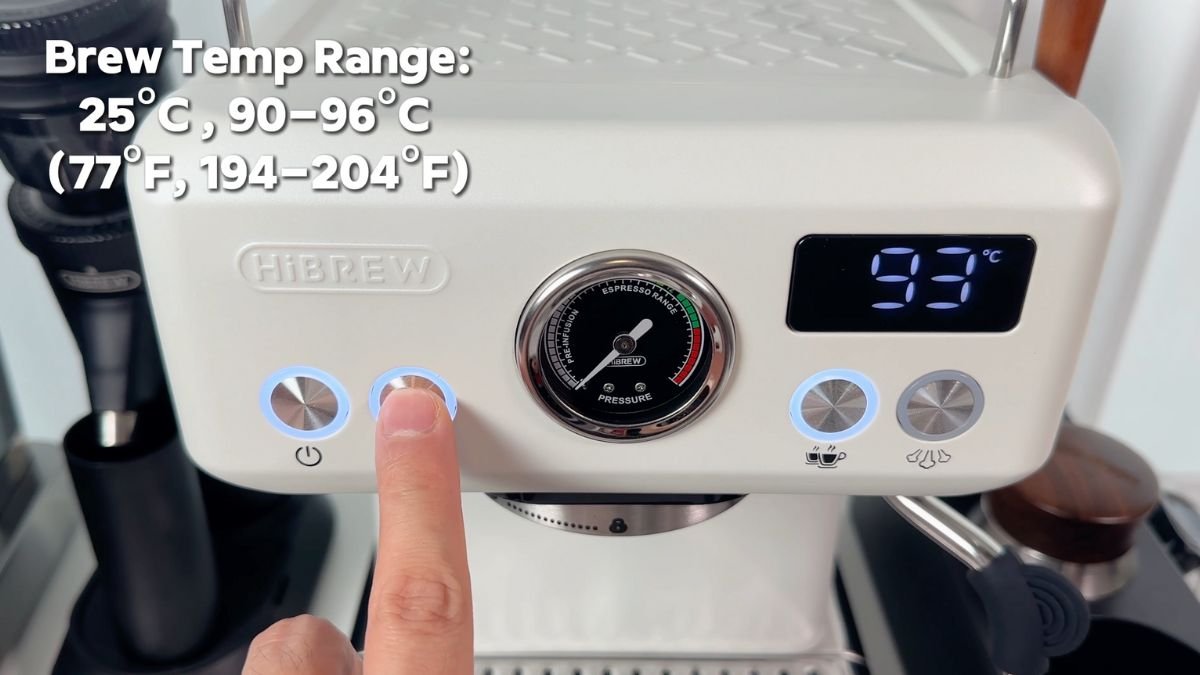
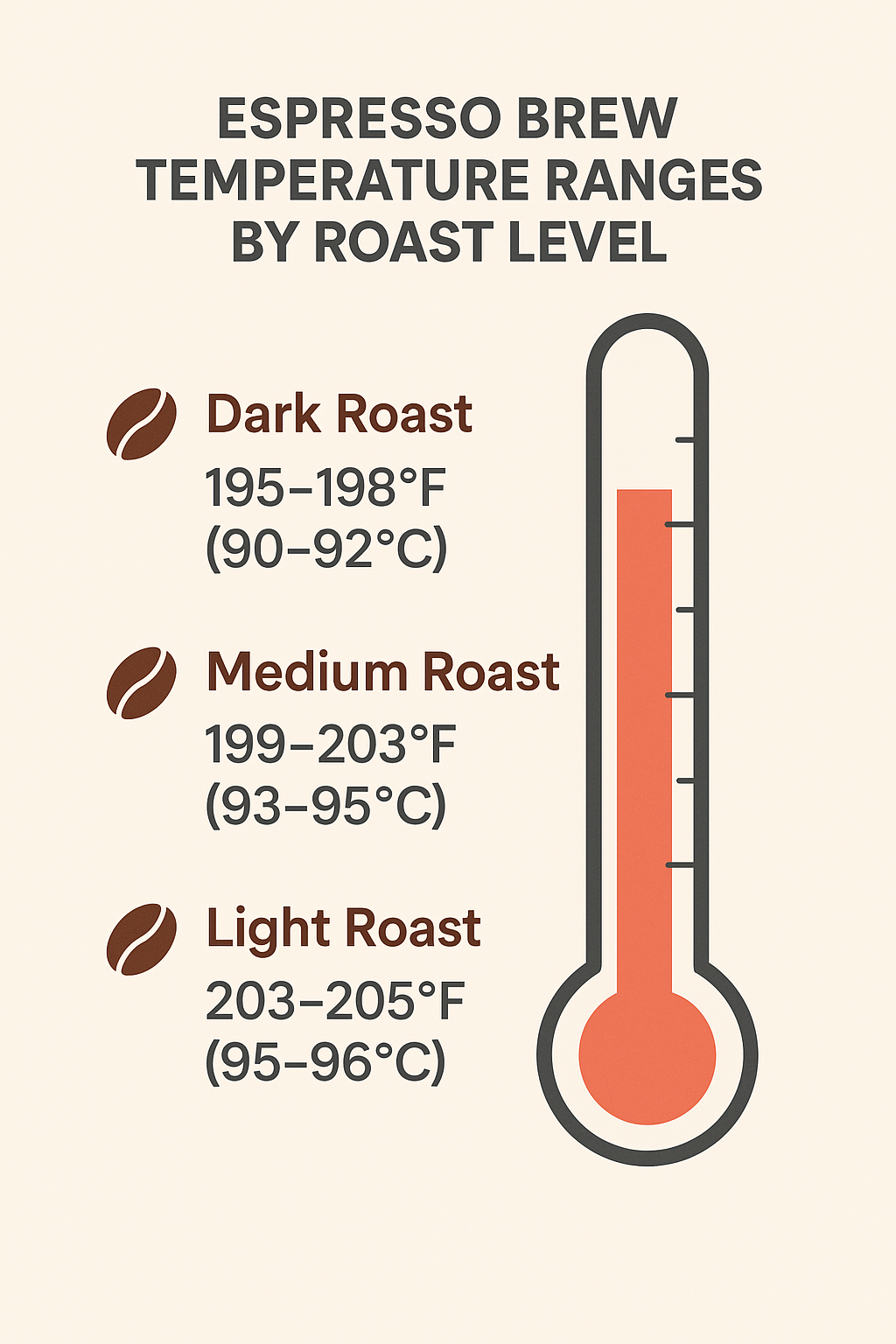
Too-hot water extracts bitterness aggressively.
Ideal espresso temp:
- 195°F – 205°F (90–96°C)
Problems happen when:
- Machines run hot without PID control
- Shots are pulled back-to-back without cooling
- Portafilter overheats
Fix it:
- Flush group head before pulling
- Allow machine recovery time
- Consider machines with temperature stability
Machines with stable temperature control — especially models with PID regulation — reduce bitterness dramatically by preventing overheating during extraction.
Pressure Problems & Channeling
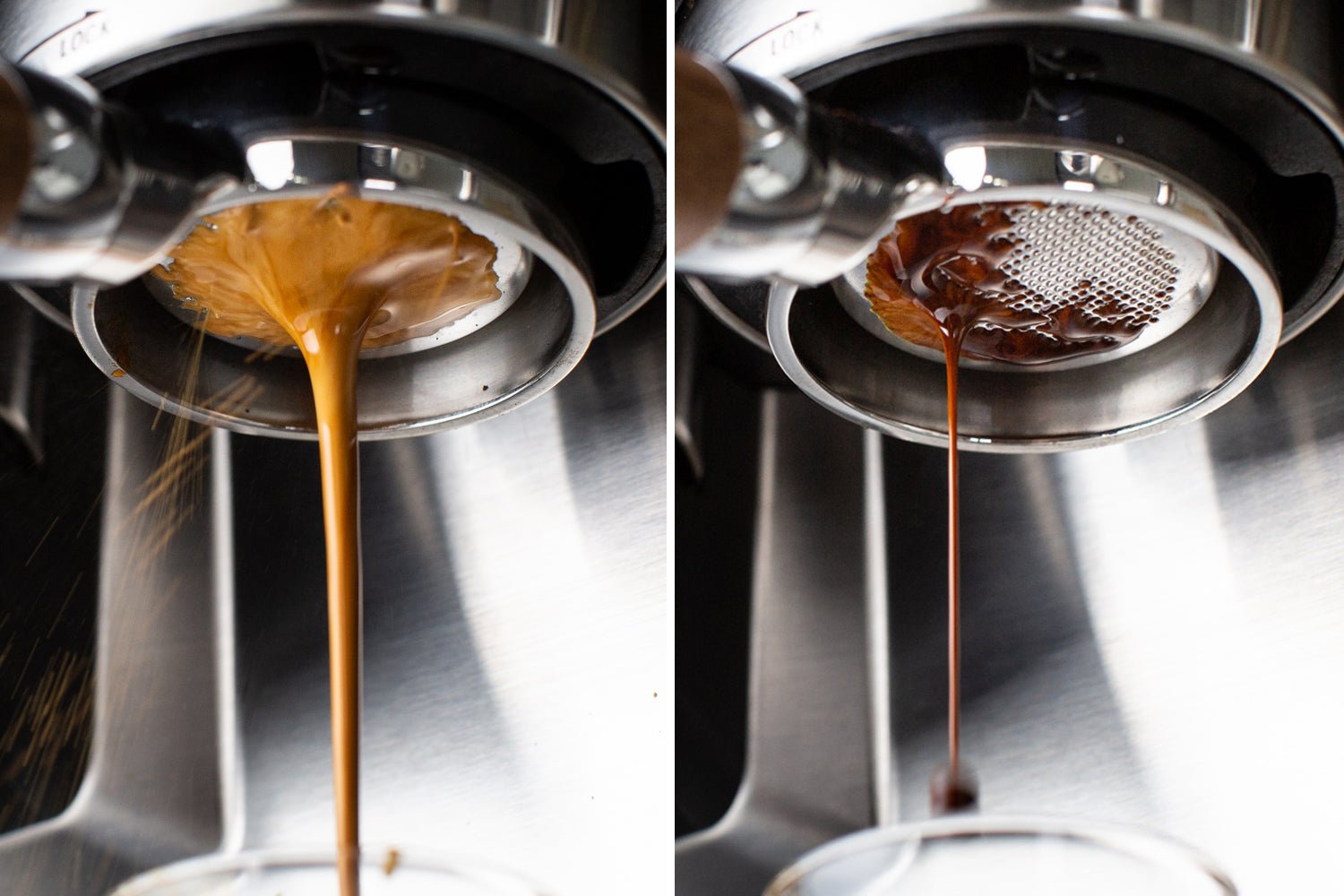
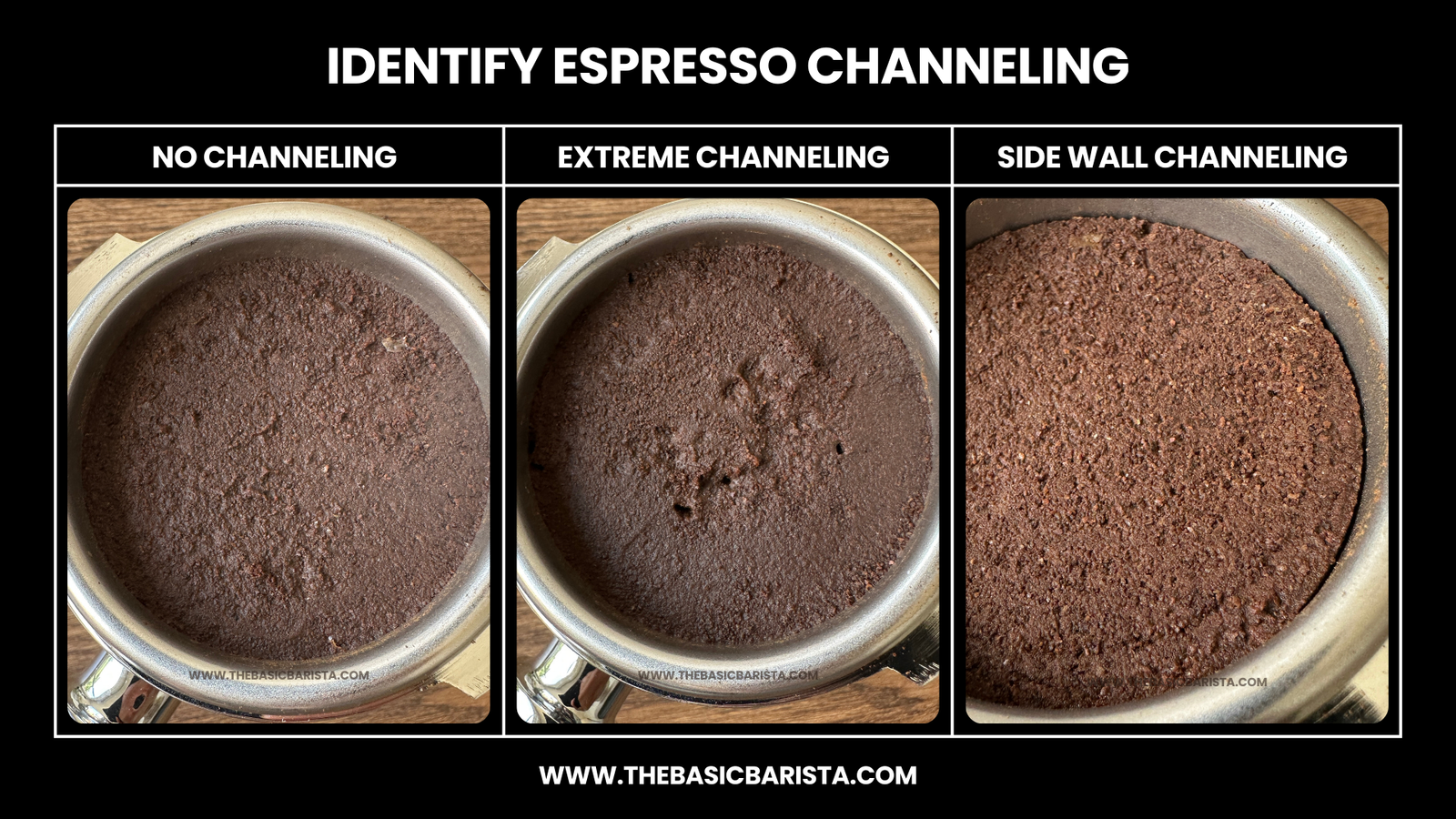
Uneven pressure causes channeling, where water finds weak paths through the puck.
This results in:
- Some grounds under-extracted
- Others massively over-extracted
- Combined bitterness + harshness
Fix channeling:
- Use even distribution
- Tamp level, not hard
- Avoid clumps
- Consider a WDT tool
Many baristas fix channeling almost instantly by using a simple distribution or WDT tool to even out grounds before tamping.
Are Dark Roasts Always Bitter?
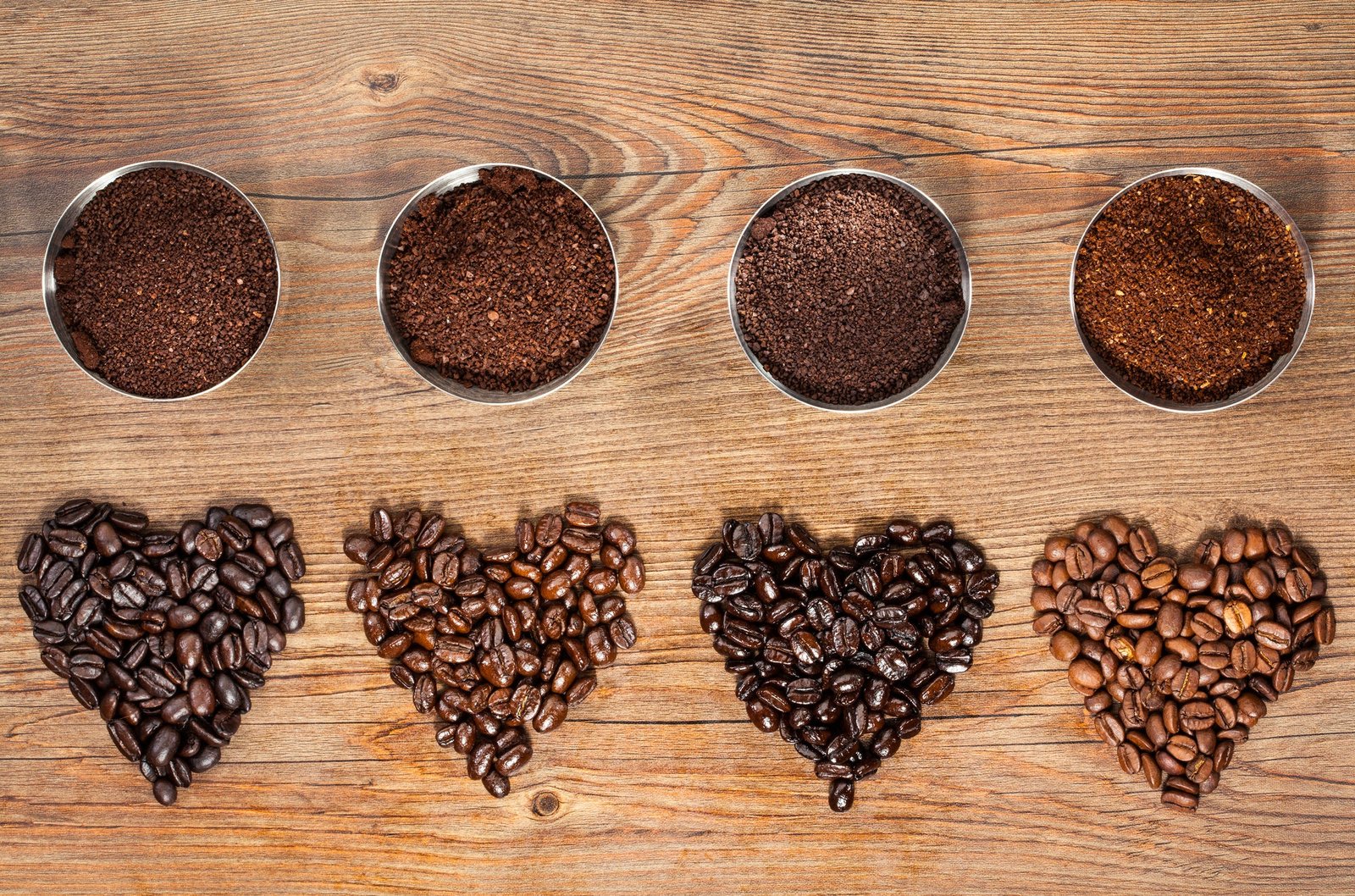
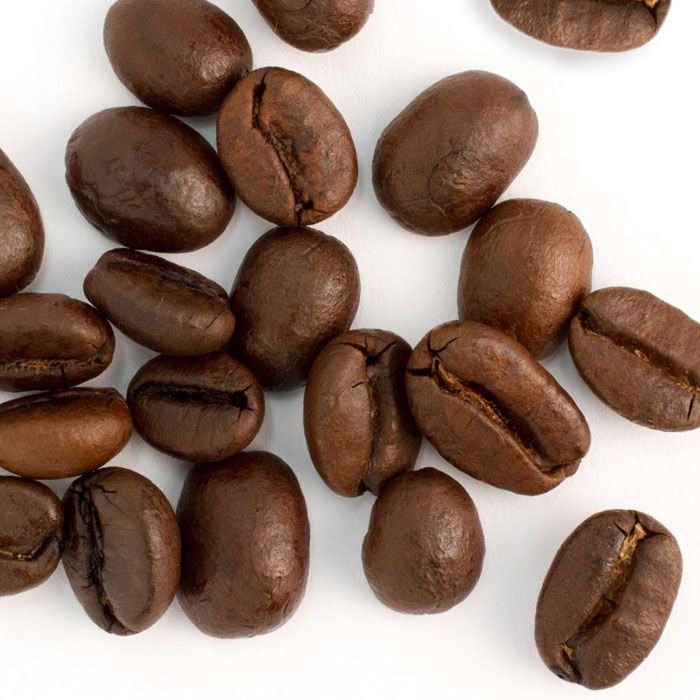
Dark roasts taste more bitter by nature — but they shouldn’t be unpleasant.
If dark roast espresso is:
- Harsh
- Ashy
- Burnt-tasting
You’re likely over-extracting an already soluble bean.
👉 Fix:
Dark roasts need:
- Slightly coarser grind
- Lower brew temp
- Shorter extraction
If bitterness keeps showing up despite good technique, switching to a medium roast espresso blend can make dialing in significantly easier.
Quick Fix Checklist (Save This)
If your espresso tastes bitter, adjust in this order:
- Grind coarser
- Shorten shot time
- Reduce brew ratio
- Lower water temperature
- Improve puck prep
Change one variable at a time.
When It’s NOT Your Technique
Sometimes bitterness comes from:
- Stale beans
- Cheap grinders
- Poor temperature stability
- Pressurized portafilters
If you’re fighting bitterness daily, it’s often a tool limitation, not a skill issue.
👉 This is where upgrading the right gear once saves years of frustration.
Many home baristas reach a point where better tools save more frustration than endless tweaking — especially grinders and temperature-stable machines.
Leave a Reply