Espresso Pulling Too Slow? (Why It Happens and How to Fix It Without Ruining Flavor)
If your espresso drips slowly, stalls, or takes 40–60 seconds to finish—sometimes barely producing liquid at all—your espresso is pulling too slow.
This problem is just as common as fast shots, and just as frustrating. Slow espresso often tastes:
- Bitter
- Harsh
- Over-extracted
- Dry and unpleasant
The good news?
👉 Slow espresso shots are very fixable, and the solution is usually the opposite of what causes fast shots.
This guide explains why espresso pulls too slow, how to identify the exact cause, and how to fix it without losing body or sweetness.
Amazon Associates Program: Some links on this site are generated through the Amazon Associates Program. We only recommend products and services we genuinely trust and believe provide real value. Please see our Terms & Conditions.
What “Espresso Pulling Too Slow” Actually Means
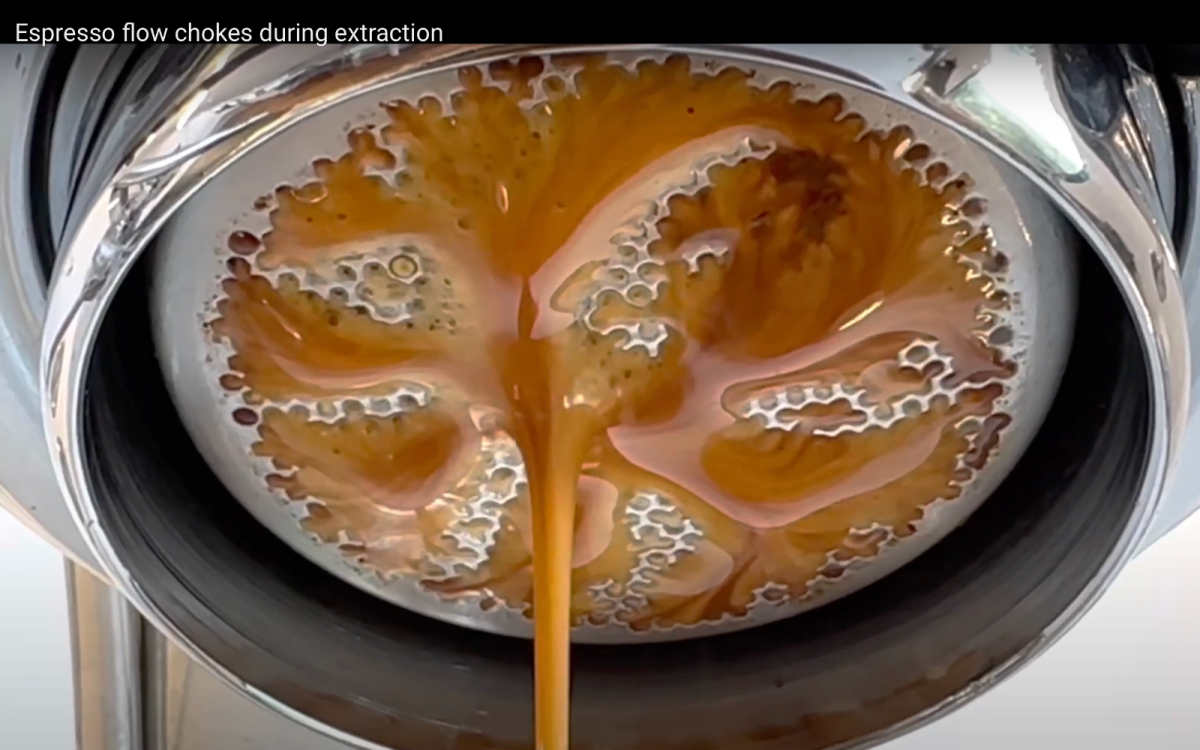
A slow espresso shot means water is struggling to pass through the puck, extracting too many bitter compounds before finishing.
Common symptoms:
- Shot takes longer than 35 seconds
- Drips instead of flowing
- Machine sounds strained
- Bitter, harsh flavor
- Dry mouthfeel
Slow shots = over-extraction, not strength.
The Core Problem: Too Much Resistance
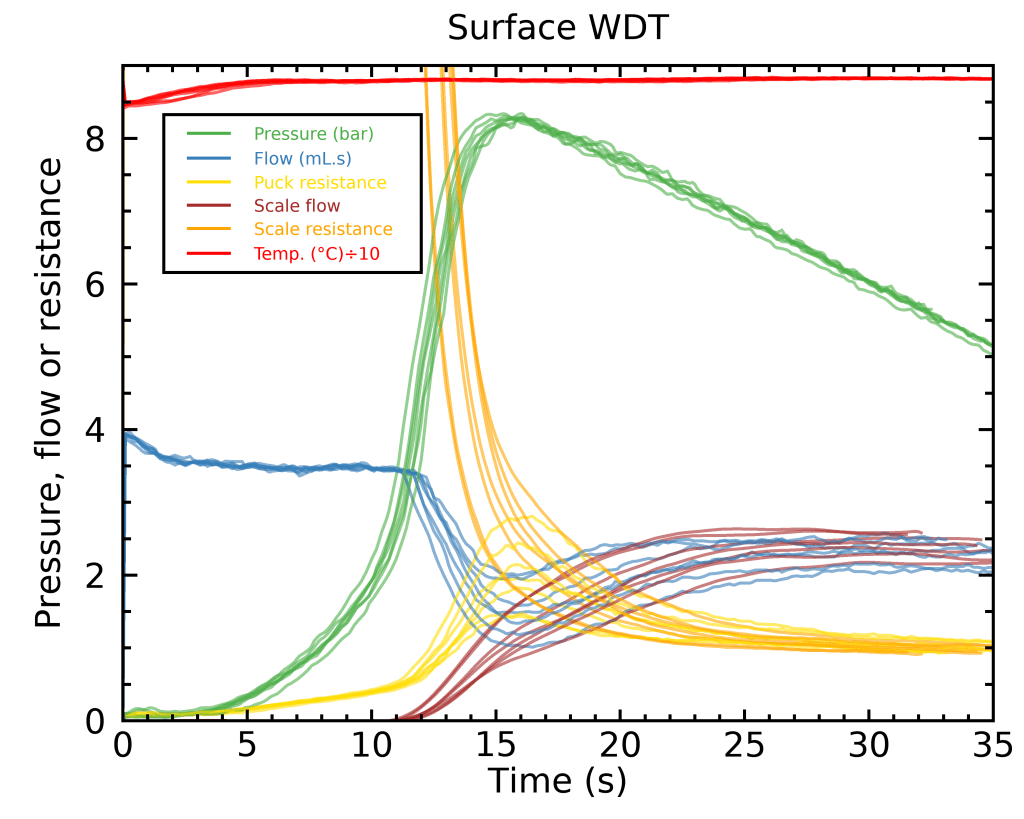
Espresso needs resistance—but too much resistance is just as bad as too little.
Excess resistance is usually caused by:
- Grind too fine
- Dose too high
- Brew ratio too low
- Poor puck prep
- Over-tamping
- Incompatible basket size
When resistance is excessive, extraction slows and bitterness skyrockets.
Grind Size: The #1 Cause of Slow Espresso
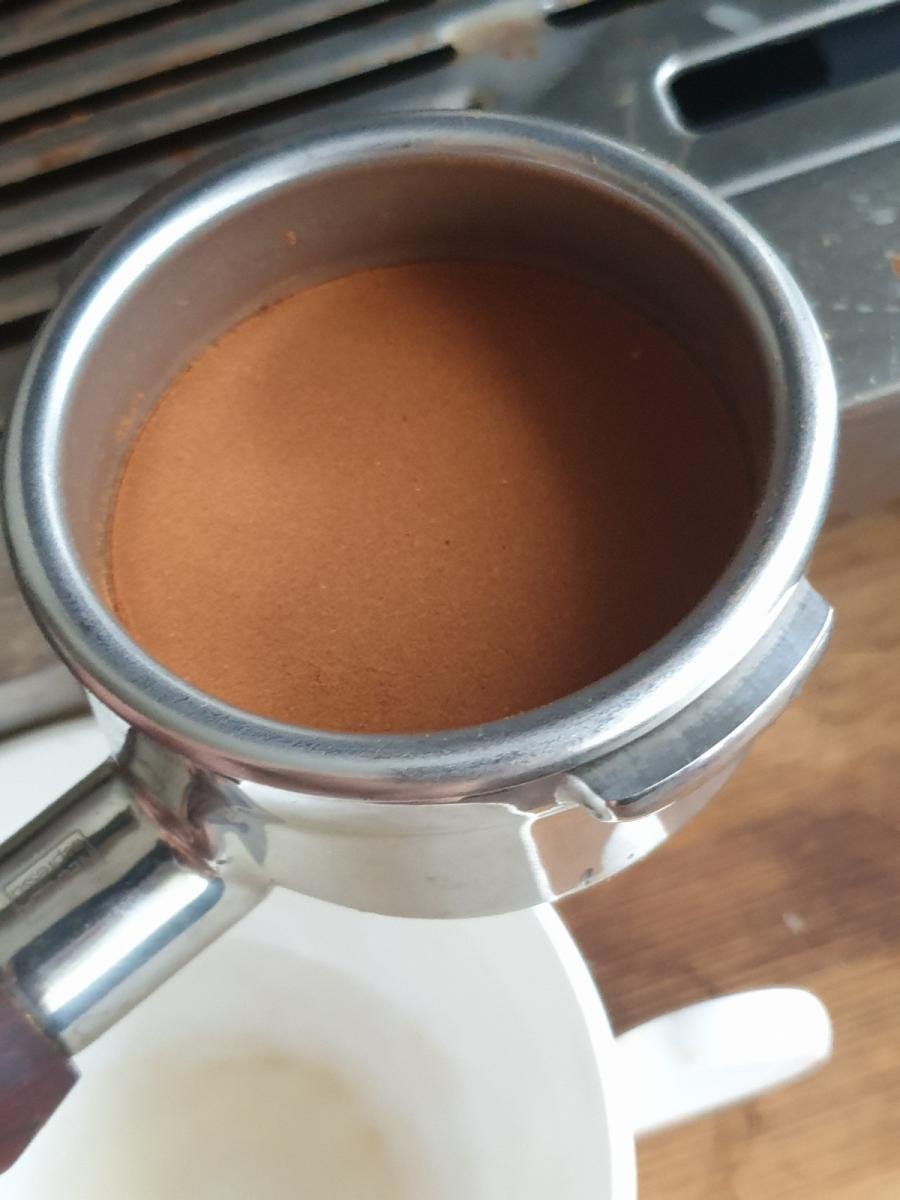
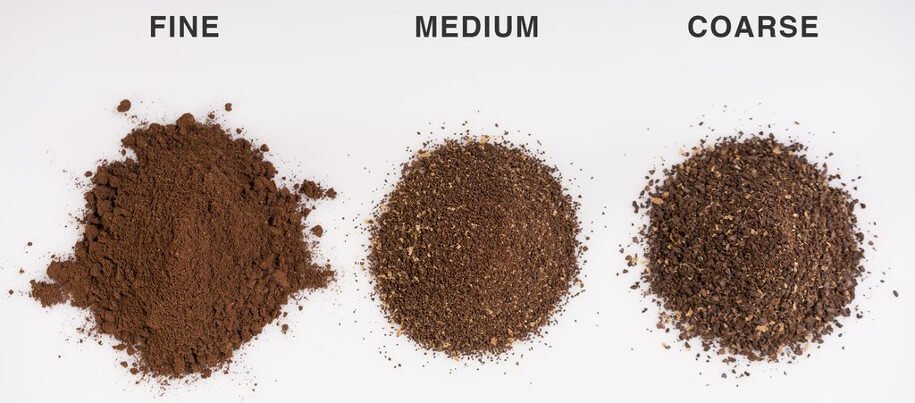
If your espresso pulls too slow, your grind is almost always too fine.
Signs your grind is too fine:
- Espresso drips instead of flows
- Shot exceeds 35–40 seconds
- Bitter, astringent taste
Fix:
- Adjust grind slightly coarser
- Make very small changes
- Re-test timing after each adjustment
Even tiny grind changes dramatically affect flow.
Dose: Too Much Coffee Can Choke the Shot
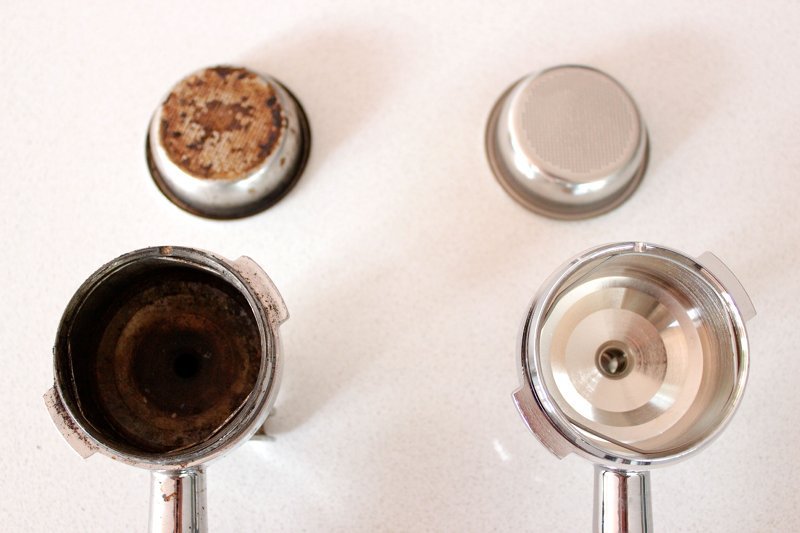
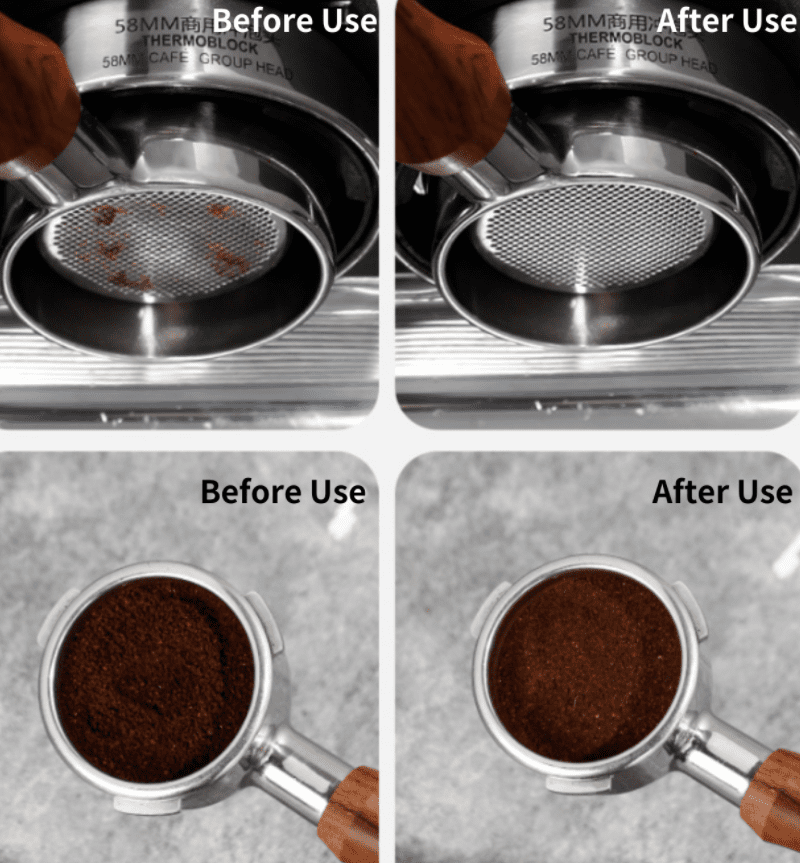
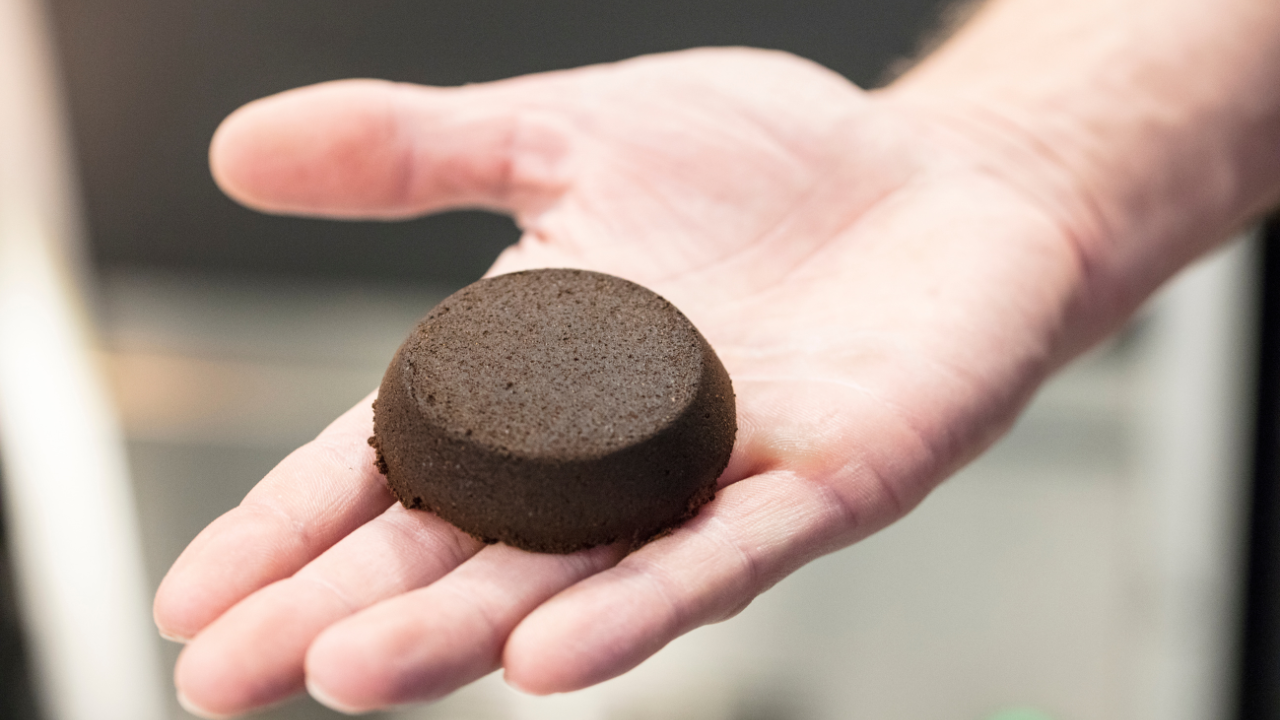
Over-dosing increases puck density and reduces headspace.
Common overdosing mistakes:
- Exceeding basket capacity
- Compressing grounds into shower screen
- Using 21–22g in an 18g basket
Fix:
- Match dose to basket size
- Reduce dose by 0.5–1g
- Ensure proper headspace
More coffee isn’t always better.
Brew Ratio: Cutting Shots Too Short
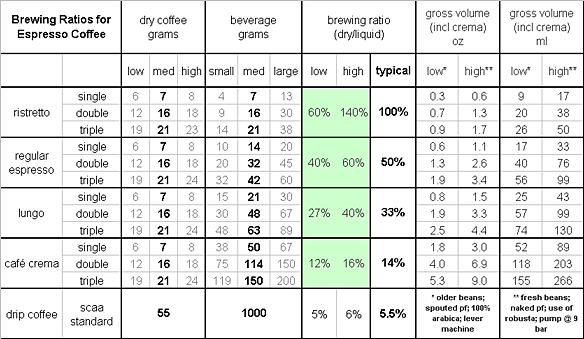
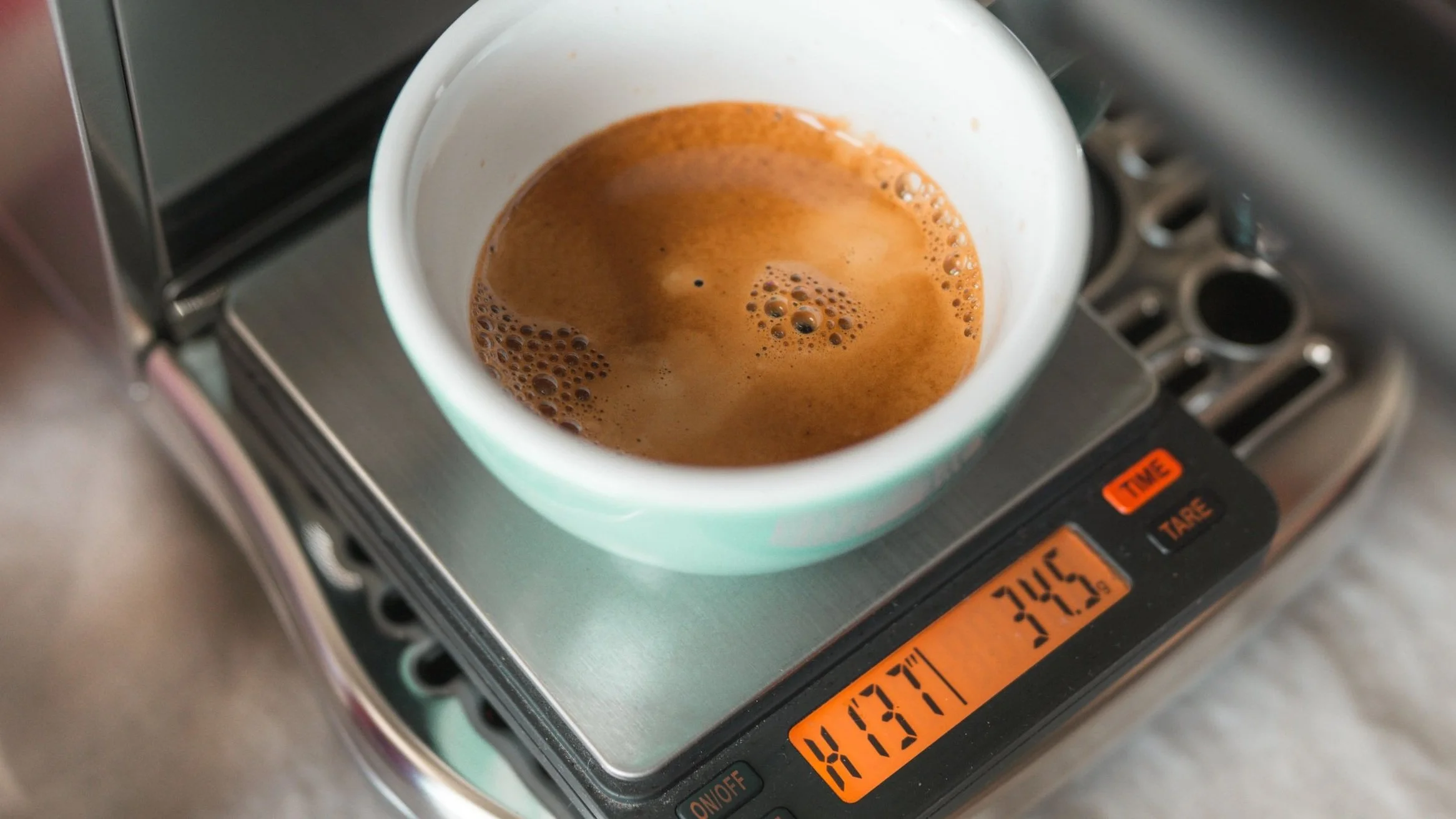
Slow shots often occur when the brew ratio is too short.
Example of choking ratio:
- 18g in → 25g out
Balanced target:
- 1:2 brew ratio
- 18g in → 36g out
- 25–30 seconds
Short ratios increase resistance and intensify bitterness.
Puck Prep Problems That Slow Espresso

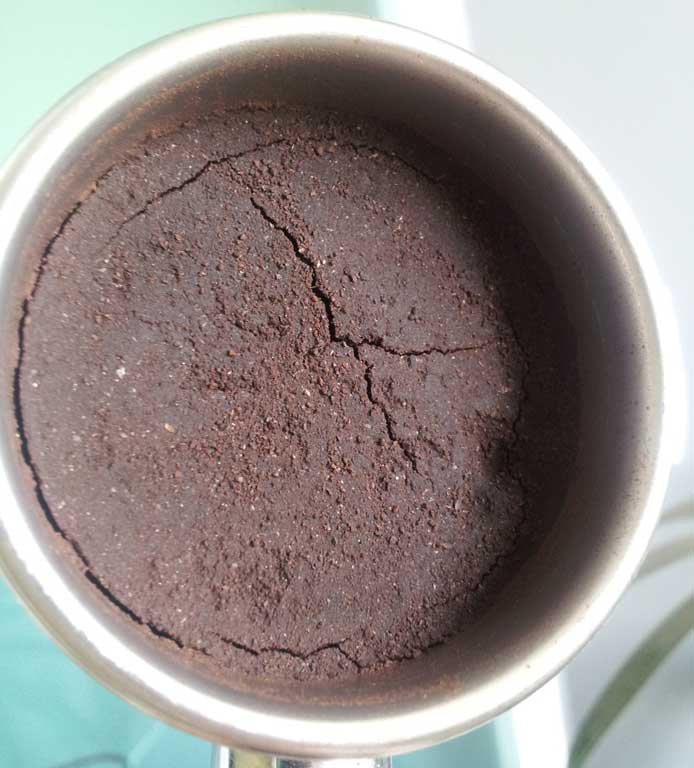
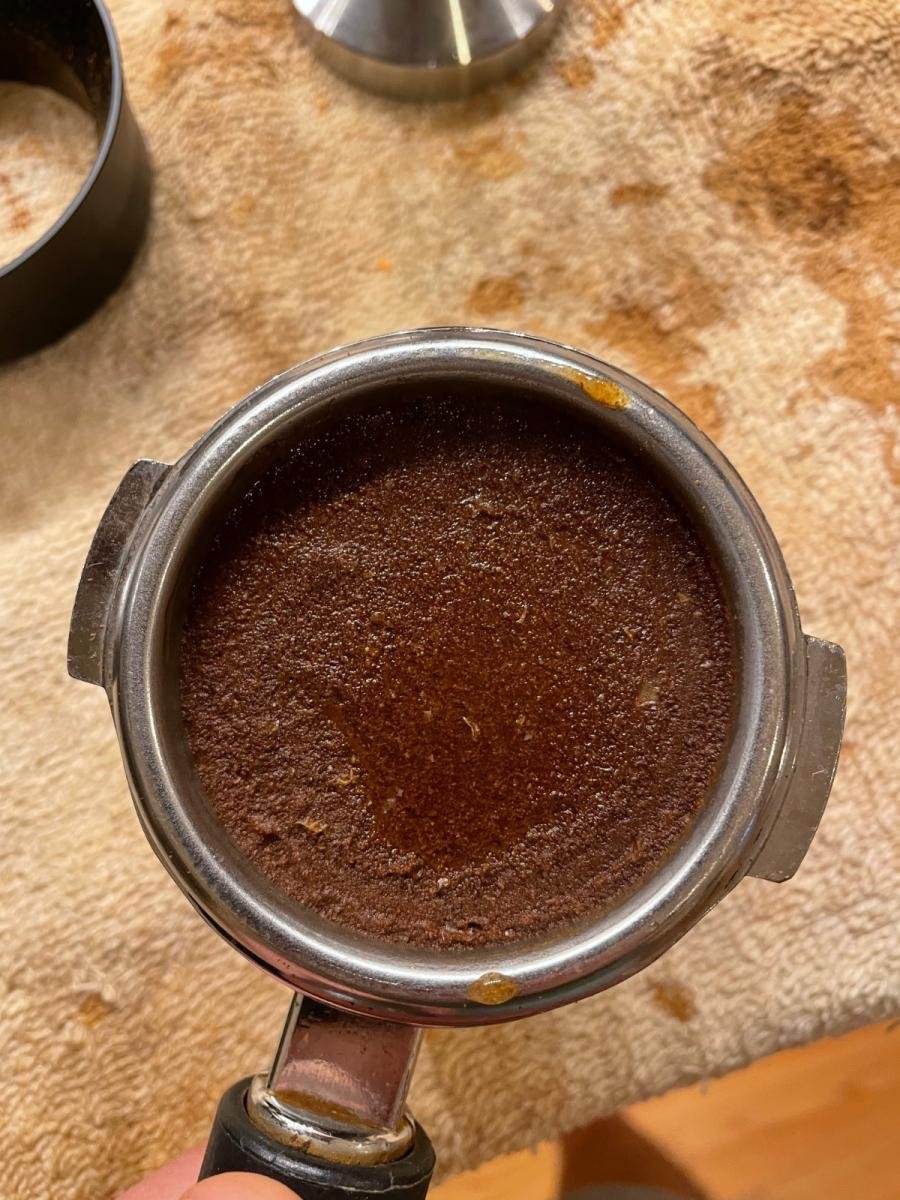
Ironically, bad puck prep can slow shots and still cause channeling.
Common prep mistakes:
- Clumped grounds
- Uneven distribution
- Over-tamping
- Re-tamping after knocking
Uneven density creates choke points that stall extraction.
Tamping: Over-Tamping Is a Myth (Mostly)
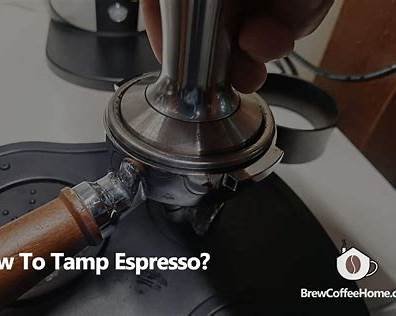
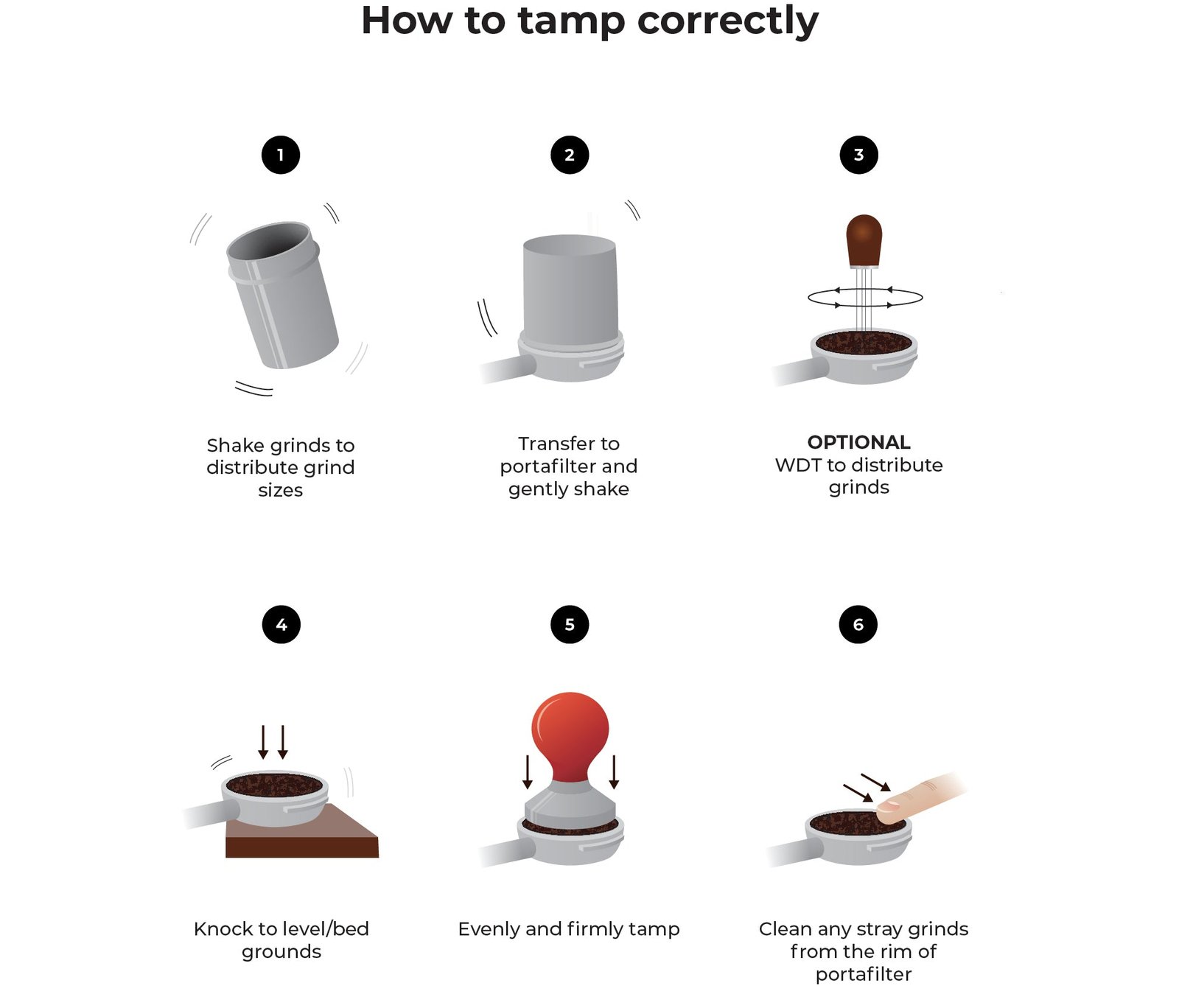
Tamping pressure alone rarely causes slow shots.
What actually causes problems:
- Crooked tamp
- Uneven pressure
- Compacting clumps
Key rule:
Level tamping matters more than force
Once the puck is compressed, more force doesn’t help.
Pressurized Portafilters & Slow Shots
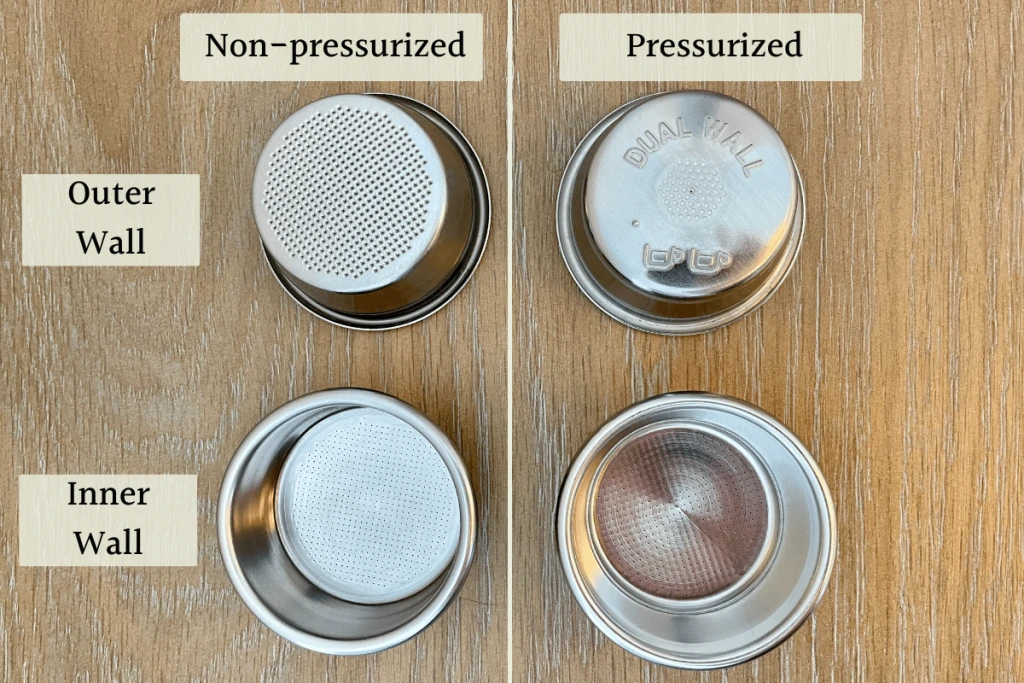
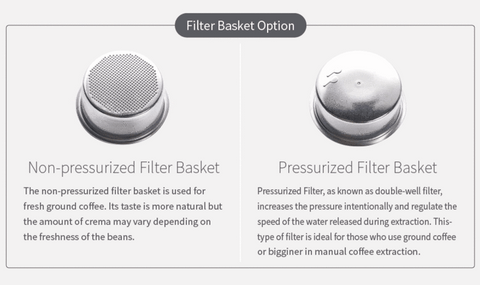
Pressurized portafilters:
- Add artificial resistance
- Limit grind adjustment
- Make diagnosis difficult
They can cause:
- Stalling
- Inconsistent flow
- Fake crema masking bitterness
Switching to non-pressurized baskets restores real control.
Bean Freshness & Roast Level
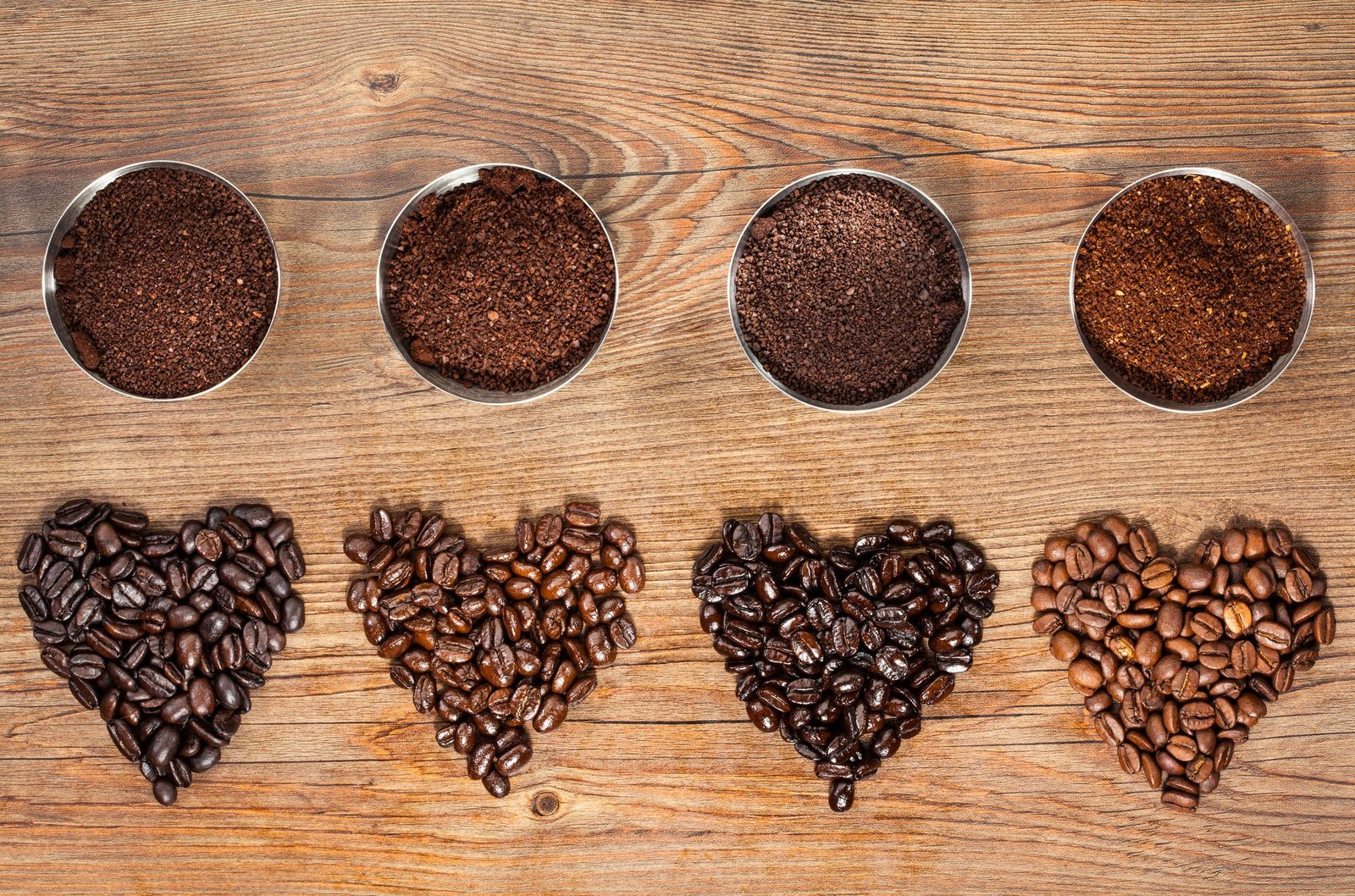
Dark roasts extract more easily and can choke shots if treated like lighter roasts.
Common mistakes:
- Grinding dark roasts too fine
- Using high doses with dark beans
Medium roasts are generally easier to dial in for balanced flow.
Step-by-Step: How to Speed Up Espresso Correctly
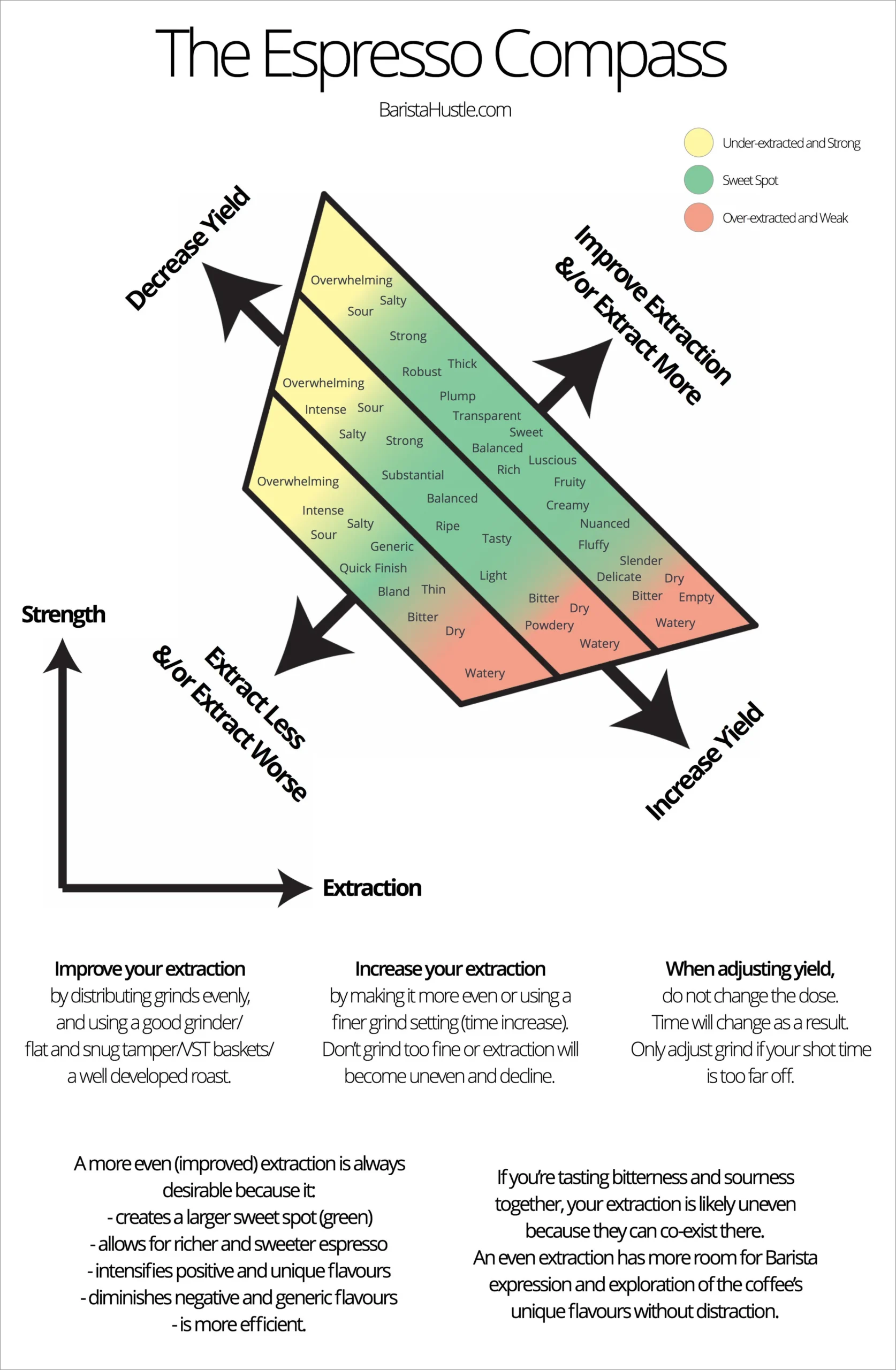

Follow this order exactly:
- Use fresh beans
- Grind slightly coarser
- Reduce dose by 0.5–1g
- Improve distribution
- Tamp level
- Adjust brew ratio last
Change one variable at a time.
When Slow Shots Aren’t Your Fault
Persistent slow shots can come from:
- Poor grinder alignment
- Inconsistent burrs
- Cheap baskets
- Temperature-unstable machines
- Pressurized systems
At that point, equipment limits extraction, not technique.
Leave a Reply