
Why Does My Coffee Taste Burnt? (And How to Fix It for Good)
If your coffee tastes burnt, smoky, or ashy, you’re not imagining it — and it’s not always because the beans were “burned.”
Burnt-tasting coffee is one of the most common complaints among home coffee drinkers, especially those using drip machines, French press, or dark-roast beans.
The good news?
👉 Burnt coffee is almost always fixable, and in many cases the beans aren’t the real problem — the brewing process is.
This guide explains why coffee tastes burnt, how to identify the real cause, and exactly how to fix it so your coffee tastes smooth, balanced, and drinkable again.
Amazon Associates Program: Some links on this site are generated through the Amazon Associates Program. We only recommend products and services we genuinely trust and believe provide real value. Please see our Terms & Conditions.
What “Burnt Coffee” Actually Means


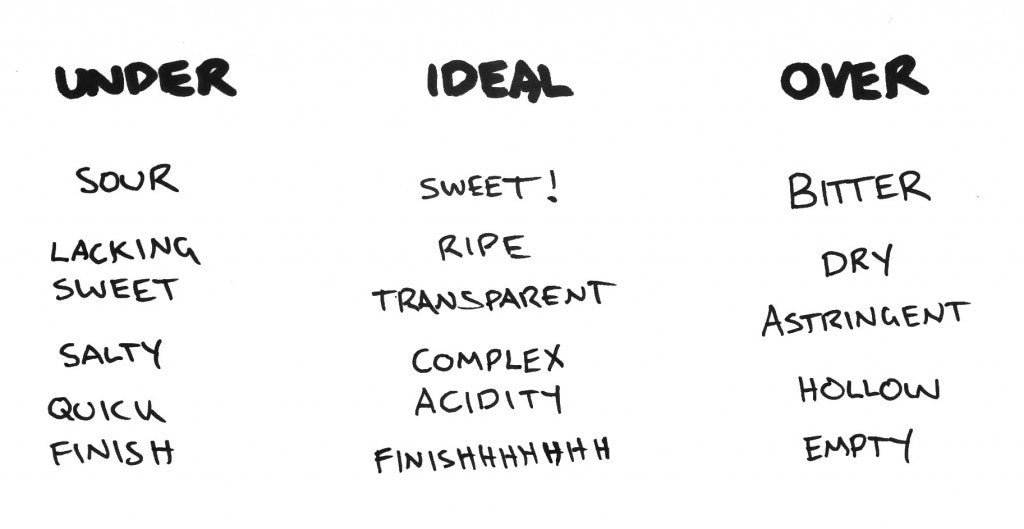
When people say coffee tastes burnt, they usually mean:
- Bitter
- Smoky
- Ashy
- Harsh or drying
- Lingering unpleasant aftertaste
These flavors typically come from over-extraction, excessive heat, or very dark roasts — not literal burning during brewing.
Burnt flavor ≠ strong coffee
Burnt flavor = imbalanced extraction or roast
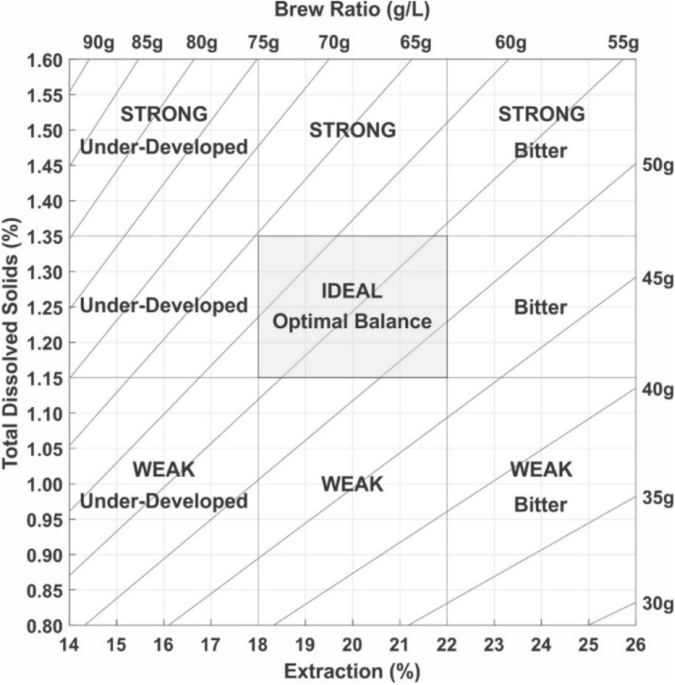
The #1 Cause of Burnt Coffee: Over-Extraction

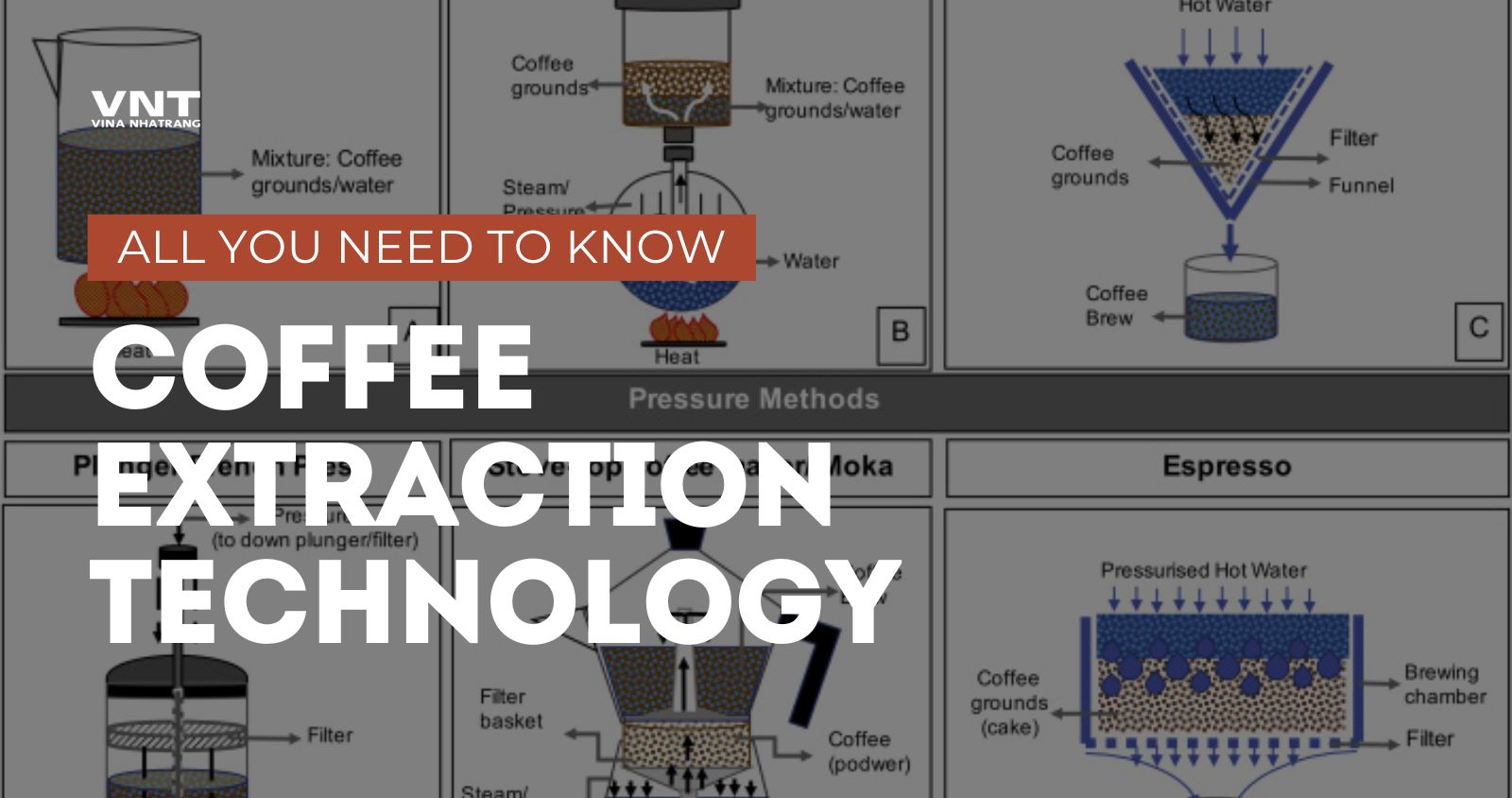
Coffee extraction happens in stages:
- Acids extract first
- Sugars extract next
- Bitter compounds extract last
When brewing goes too far, bitter compounds dominate, creating a burnt or ashy taste.
Over-extraction is usually caused by:
- Brewing too long
- Water that’s too hot
- Grind size too fine
- Reheating coffee
Dark Roast Beans: Burnt Flavor by Design
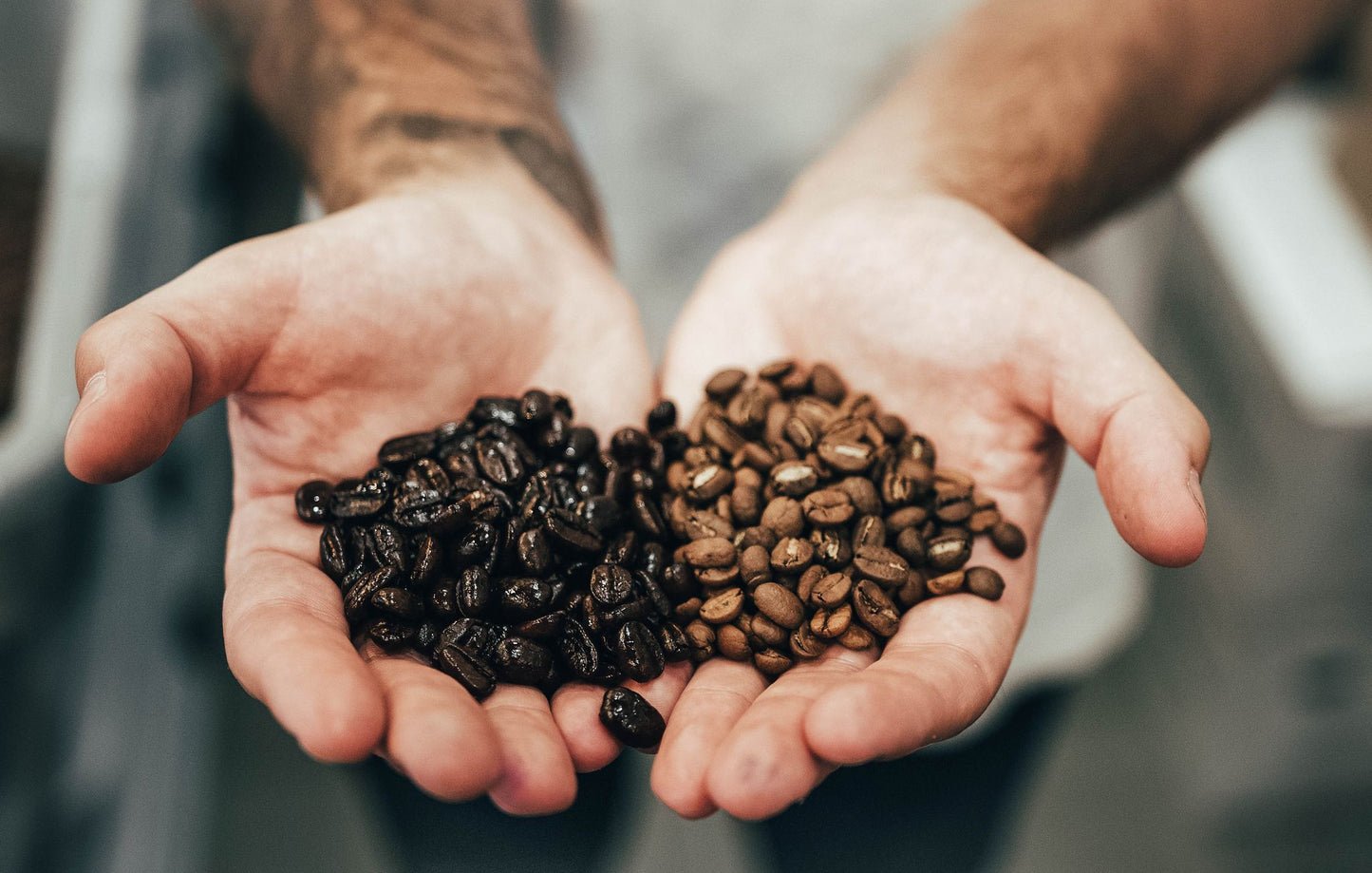
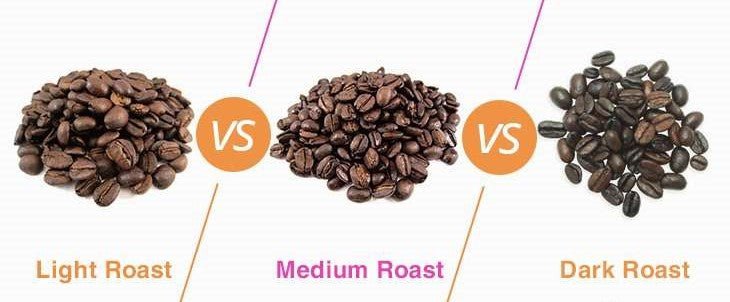
Dark roast beans are roasted longer, which creates:
- Smoky flavors
- Charred notes
- Oily bean surfaces
Some people love this profile — others interpret it as “burnt.”
Important distinction:
- Burnt-tasting beans → roast-driven flavor
- Burnt-tasting brew → brewing problem
If you dislike burnt flavors, switching to medium roast coffee is often the fastest fix.
Water Temperature: Too Hot = Burnt Taste
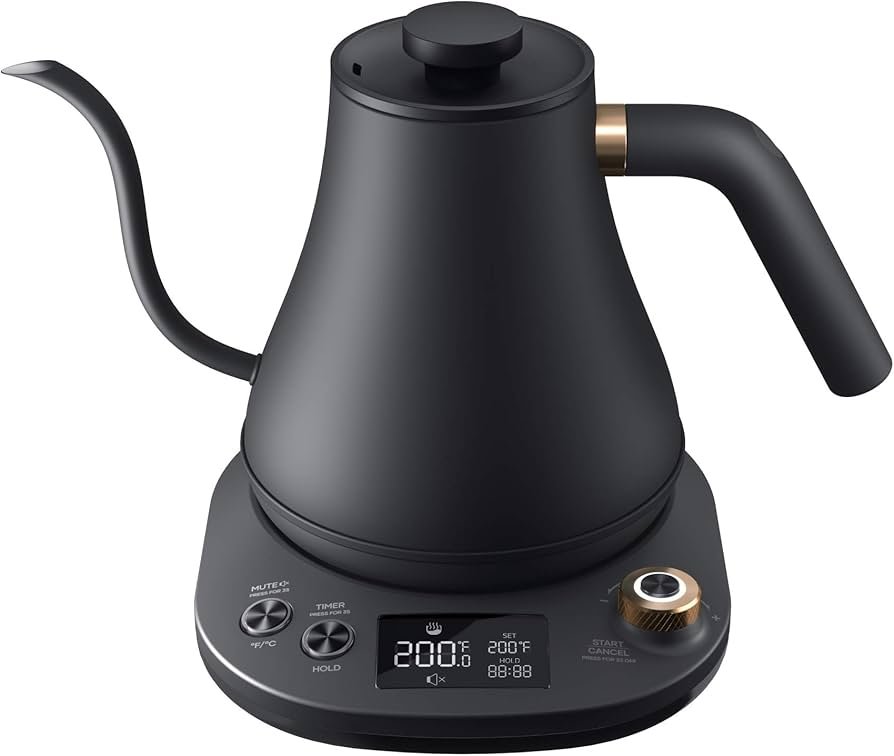
Brewing coffee with water that’s too hot aggressively extracts bitter compounds.
Ideal coffee brewing temperature:
- 195–205°F (90–96°C)
Common problems:
- Boiling water poured directly on grounds
- Cheap drip machines running too hot
- Reheating coffee on a burner
Excess heat doesn’t make coffee stronger — it makes it harsher. Use a temperature-controlled kettle.
Grind Size: Too Fine for the Brew Method
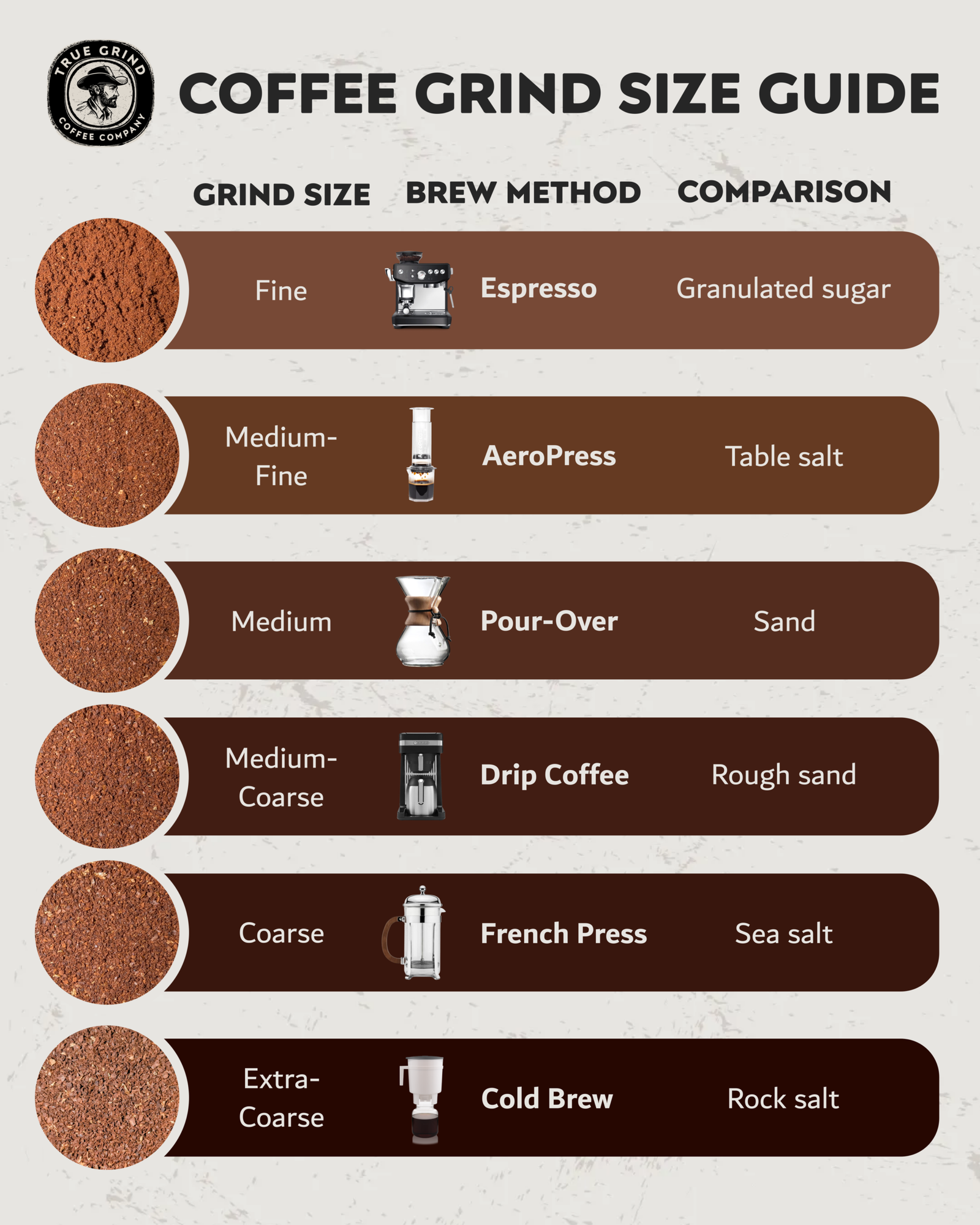
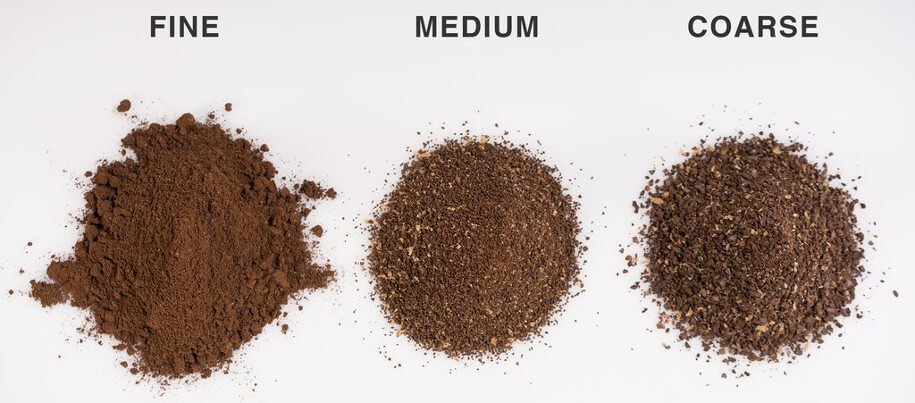
Using a grind that’s too fine for your brew method slows water flow and increases extraction.
Examples:
- Fine grind in French press
- Fine grind in drip machines
- Espresso-fine grind for pour over
Result: burnt, bitter coffee
Matching grind size to brew method is critical. Here is our recommended burr grinder.
Brew Time: Longer Is Not Better


Over-brewing pulls bitter compounds that overpower sweetness.
Common over-brewing mistakes:
- Letting French press steep too long
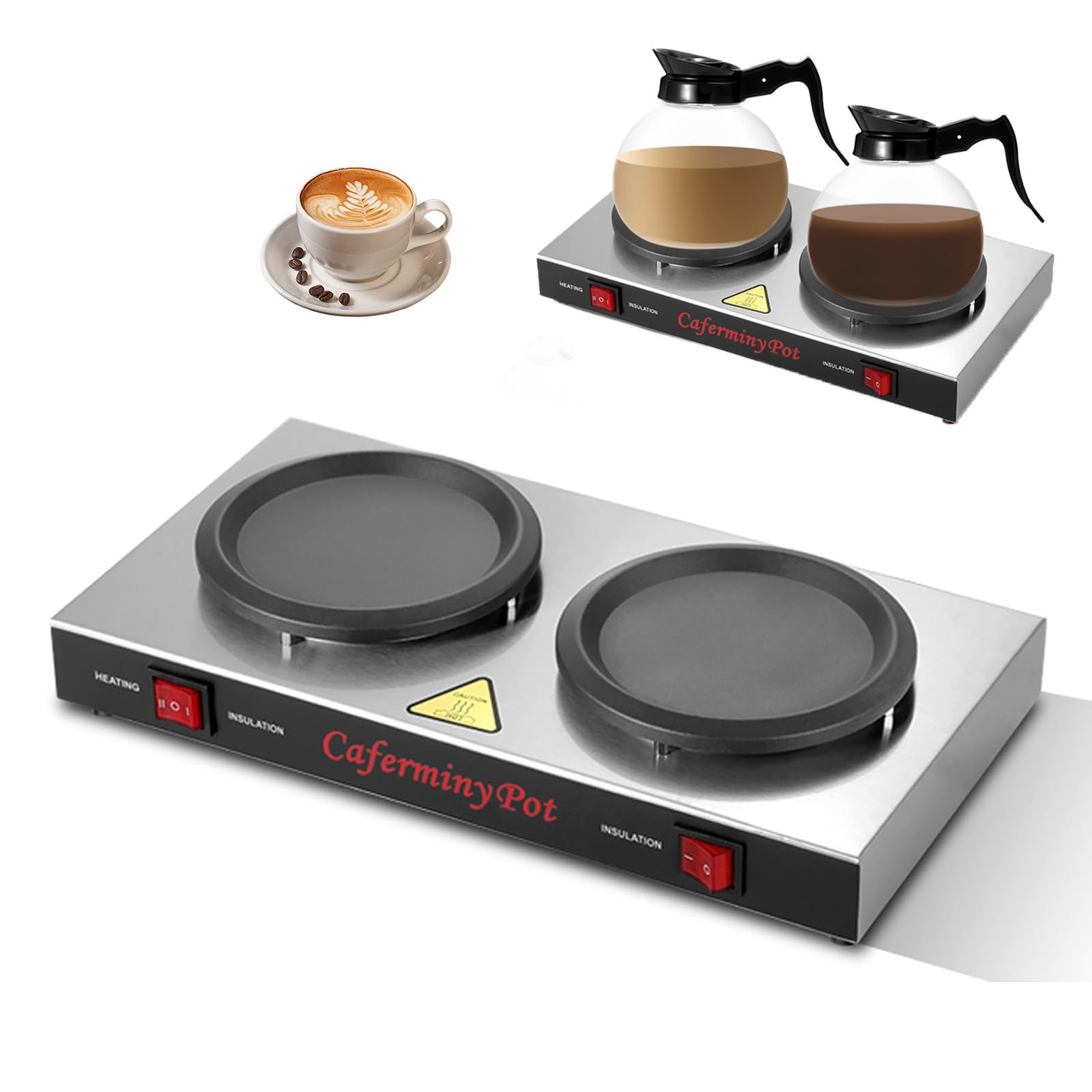
- Leaving coffee on a hot plate
- Using too much coffee for too little water
More time ≠ more flavor — it often means worse flavor.
Dirty Equipment Makes Coffee Taste Burnt

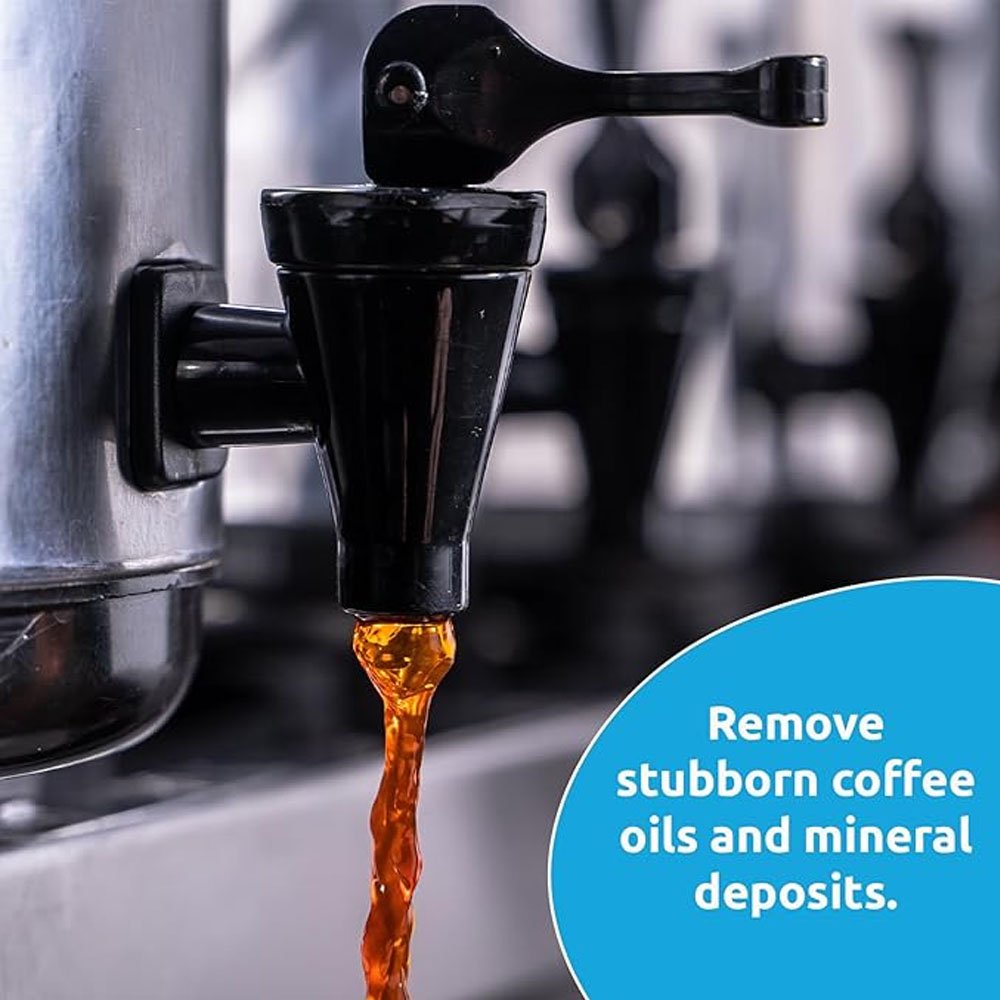
Old coffee oils stick to:
- Coffee makers
- Grinders
- Carafes
- Filters
These oils go rancid and add burnt, stale flavors to fresh coffee.
If your coffee always tastes burnt no matter what beans you use, cleaning your equipment may fix everything.
Reheated Coffee Always Tastes Burnt
Once brewed, coffee continues to break down.
Reheating causes:
- Sugar breakdown
- Increased bitterness
- Ashy aftertaste
Coffee should be:
- Brewed fresh
- Removed from hot plates quickly
- Stored in thermal carafes if needed
Burnt Coffee vs Bitter Coffee (Know the Difference)
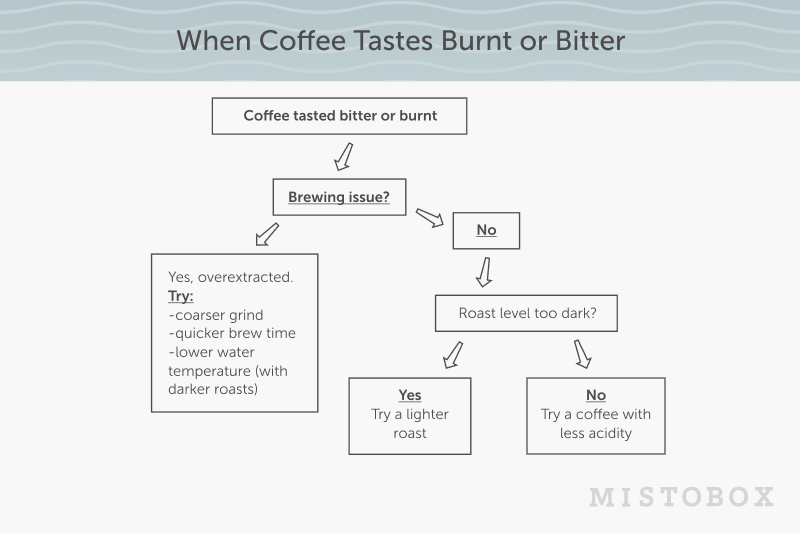

| Burnt Coffee | Bitter Coffee |
|---|---|
| Smoky, ashy | Dry, harsh |
| Roast-driven | Extraction-driven |
| Common in dark roasts | Common in over-extraction |
Fixing the right problem matters.
Quick Fix Checklist (Save This)
If your coffee tastes burnt, adjust in this order:
- Switch to medium roast beans
- Lower brewing temperature
- Coarsen grind size
- Shorten brew time
- Clean equipment thoroughly
- Stop reheating coffee
Change one variable at a time.
When Burnt Coffee Isn’t Your Fault
Sometimes burnt flavor persists because of:
- Extremely dark commercial roasts
- Cheap drip machines that overheat
- Blade grinders creating fine dust
- Warming plates burning brewed coffee
At that point, equipment and bean quality become the limiting factor.
Leave a Reply