

Why Is My Espresso Weak? (And How to Fix Thin, Flavorless Shots)
If your espresso tastes thin, watery, or weak, you’re not alone — this is one of the most common espresso complaints among home brewers.
Weak espresso often looks right at first glance:
- Decent crema
- Normal color
- Correct shot volume
…but the flavor tells the truth: no intensity, no body, no punch.
The good news?
👉 Weak espresso is almost always fixable, and it’s rarely about “needing stronger beans.”
This guide explains why espresso tastes weak, how to diagnose the exact cause, and how to pull rich, bold, café-level shots at home.
Amazon Associates Program: Some links on this site are generated through the Amazon Associates Program. We only recommend products and services we genuinely trust and believe provide real value. Please see our Terms & Conditions.
What “Weak Espresso” Actually Means


Weak espresso usually lacks:
- Body
- Mouthfeel
- Lingering finish
- Concentration of flavor
Important distinction:
Weak espresso ≠ bitter or sour
Weak espresso = low extraction density
You can have a technically “correct” shot that still tastes weak.
The #1 Cause of Weak Espresso: Under-Extraction
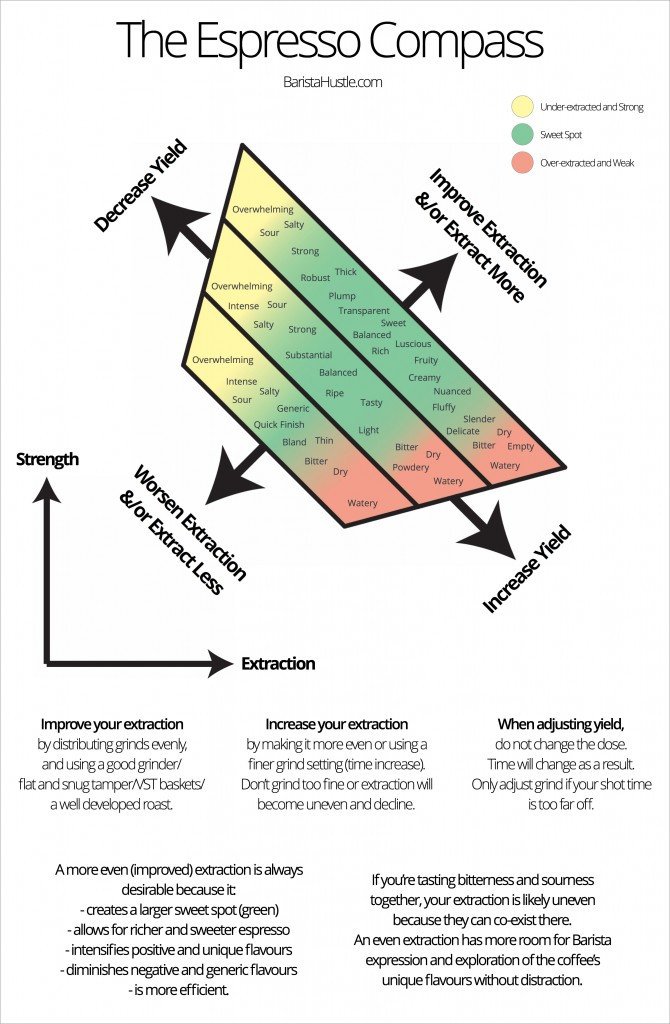
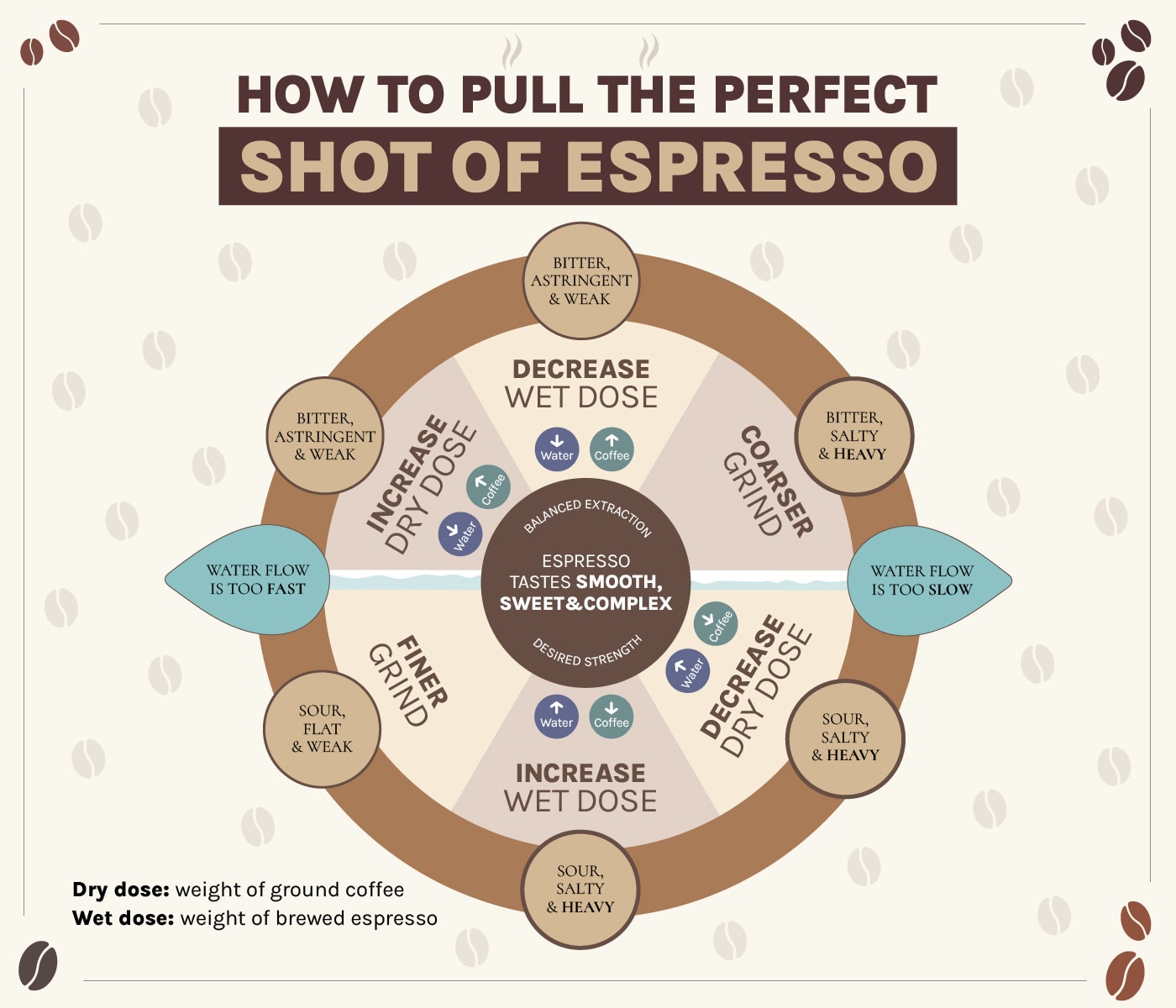
Espresso extraction happens in stages:
- Acids extract first
- Sugars extract next
- Bitters extract last
Weak espresso means not enough sugars and dissolved solids were extracted.
Under-extraction is commonly caused by:
- Grind too coarse
- Shot pulling too fast
- Low dose
- Poor puck prep
This is the most common root cause.
Grind Size: Too Coarse = Weak Espresso

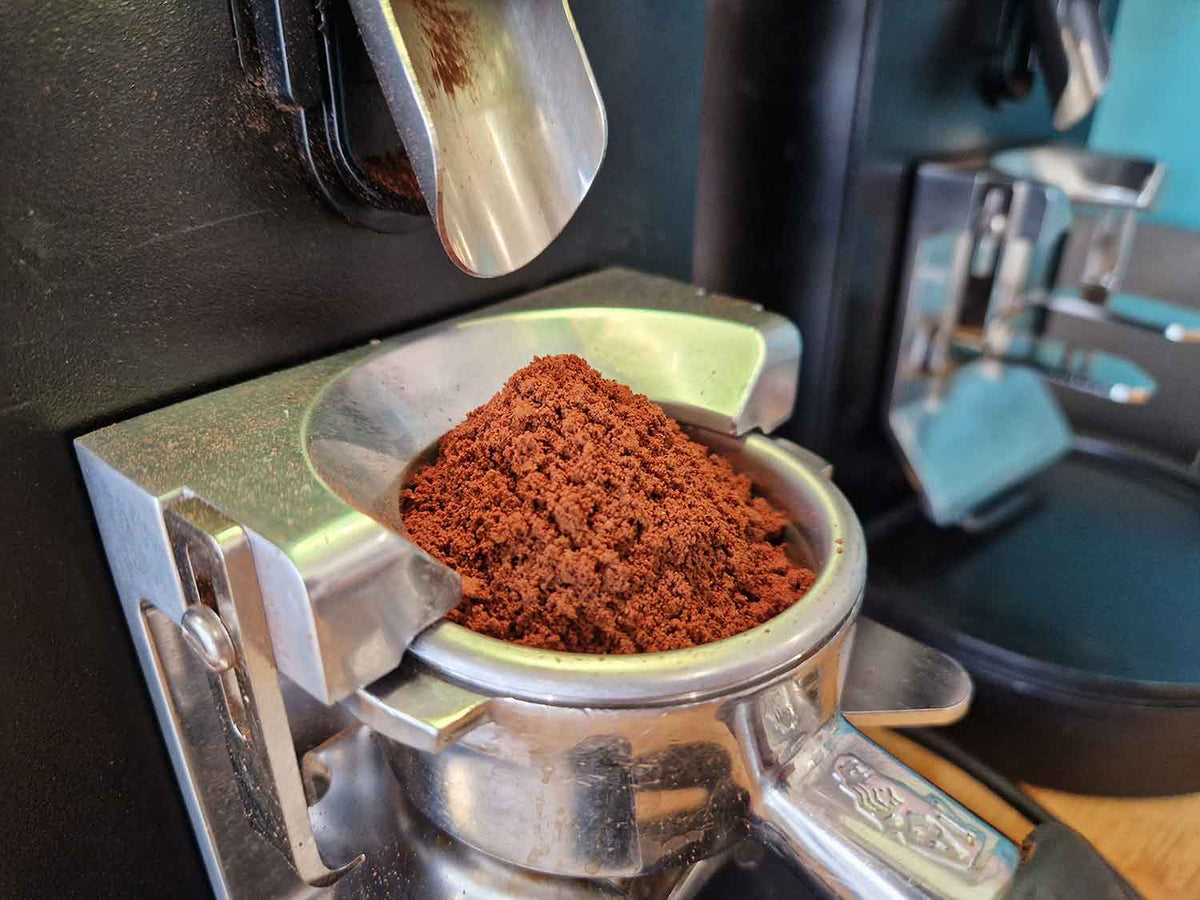
A coarse grind allows water to rush through the puck without extracting flavor.
Signs:
- Shot finishes under 20 seconds
- Pale crema
- Thin mouthfeel
Fix:
- Adjust grind finer, one step at a time
- Re-test timing
- Target 25–30 seconds
Grind size controls strength more than beans do.
Dose: Not Enough Coffee in the Basket


Using too little coffee reduces extraction density.
Common mistakes:
- 14–16g in a double basket
- Not weighing doses
- Mismatched basket size
Fix:
- Use 18–20g for a standard double shot
- Match dose to basket
- Weigh every dose
Weak espresso often disappears immediately with a proper dose.
Brew Ratio: Too Much Water Dilutes Flavor


Pulling too much liquid stretches flavor thin.
Problem example:
- 18g in → 50g out
Balanced target:
- 1:2 brew ratio
- 18g in → 36g out
- 25–30 seconds
Espresso is about concentration, not volume.
Shot Time: Fast Shots = Weak Shots
If your shot pulls too fast:
- Acids extract
- Sugars are left behind
- Strength never develops
Fast shots often taste:
- Weak
- Sour-leaning
- Hollow
Fix flow before blaming beans.
Puck Prep Problems That Cause Weak Espresso


Even with good grind and dose, poor puck prep ruins extraction.
Common issues:
- Uneven distribution
- Clumps
- Crooked tamp
- Channeling
Water will bypass most of the coffee, leaving weak flavor.
Bean Choice: It’s Not About “Strong Beans”


Many people try to fix weak espresso by buying “extra dark” beans.
Reality:
- Dark roasts taste bold, but extract easily
- Light roasts need precise extraction
- Medium roasts are the easiest to make strong espresso with
Strength comes from extraction, not roast darkness.
Freshness Matters More Than Roast


Stale beans:
- Lose sugars
- Produce less resistance
- Taste thin no matter what
If beans are older than 3–4 weeks post-roast, strength drops fast.
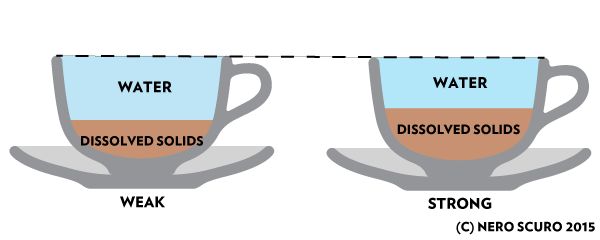
Weak Espresso vs Watery Espresso (Key Difference)

| Weak Espresso | Watery Espresso |
|---|---|
| Thin flavor | Over-diluted |
| Under-extracted | Too much water |
| Fix extraction | Fix ratio |
Diagnosing correctly saves time.
Step-by-Step: How to Make Espresso Stronger
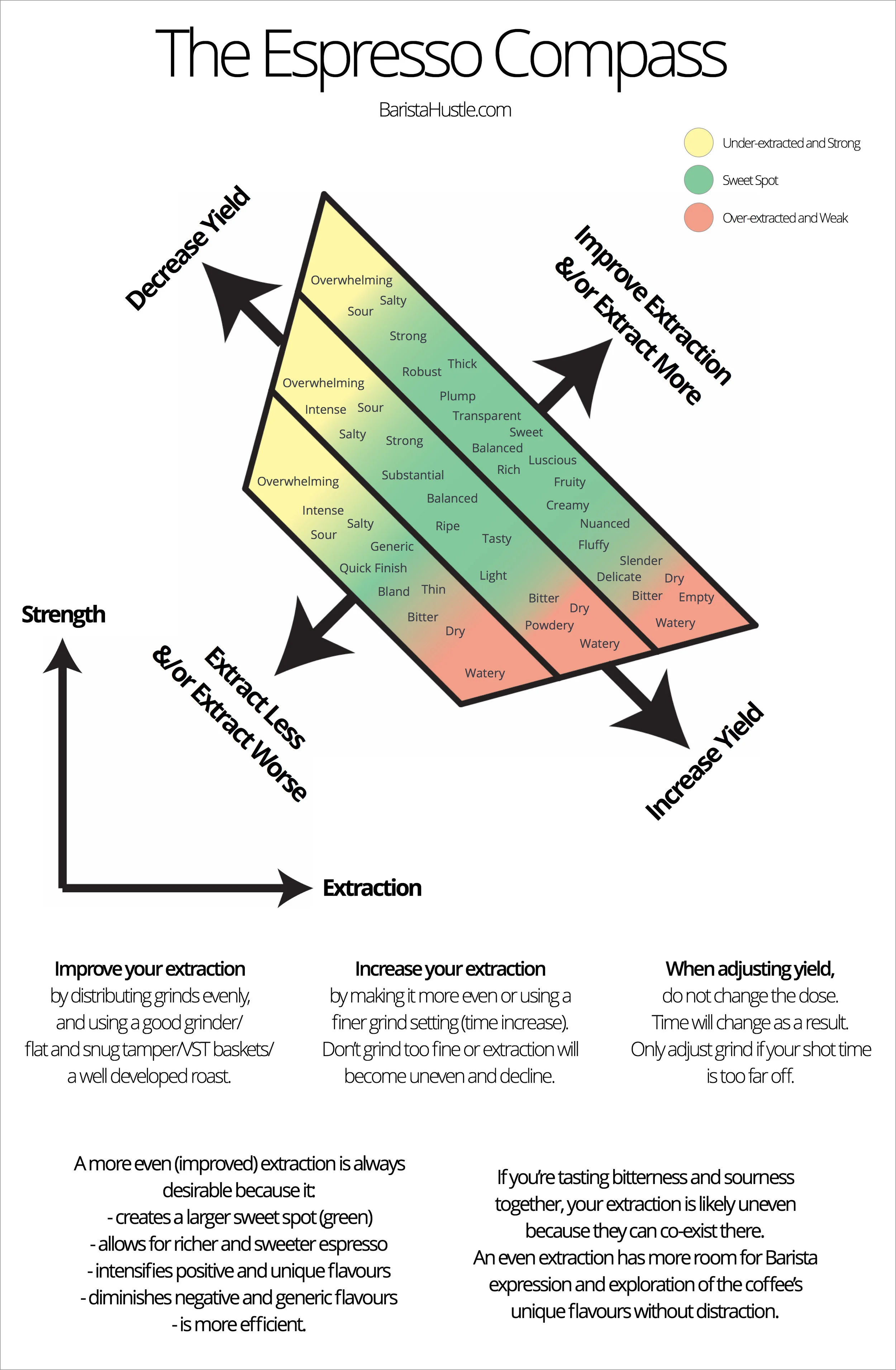
Follow this order exactly:
- Use fresh beans
- Grind finer
- Increase dose
- Shorten brew ratio
- Improve puck prep
- Adjust shot time
Change one variable at a time.
When Weak Espresso Isn’t Your Fault
Persistent weakness can come from:
- Entry-level grinders
- Pressurized portafilters
- Inconsistent baskets
- Temperature-unstable machines
At that point, equipment becomes the bottleneck, not technique.
Leave a Reply