Why Does My Espresso Taste Salty? (And How to Fix It Completely)
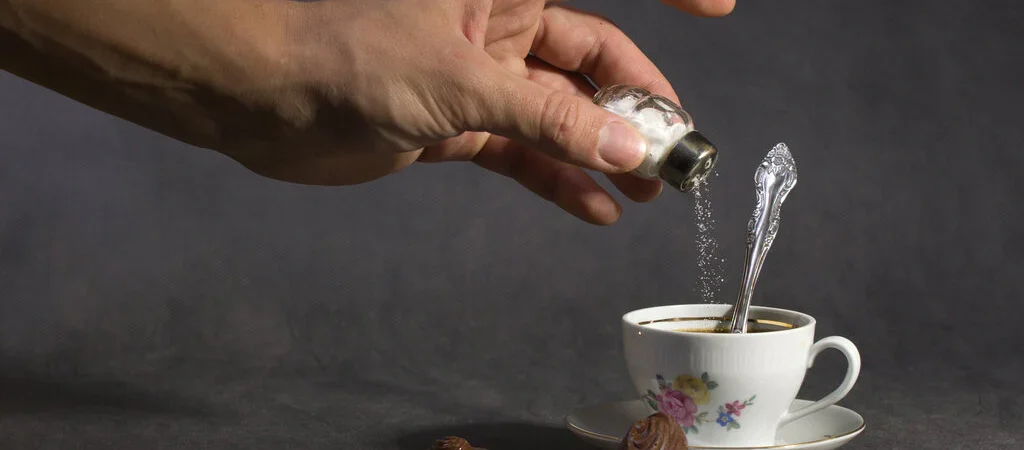
Salty espresso is one of the most confusing espresso flavors you can experience. Espresso shouldn’t taste like the ocean — yet some shots produce a distinct salty, mineral, or briny flavor that’s impossible to ignore.
This problem often leads people to blame:
- Their machine
- Their water
- Their beans
But the truth is more nuanced.
The good news?
👉 Salty espresso is rare—but very fixable, once you understand the underlying chemistry and extraction mechanics.
This guide explains why espresso tastes salty, how to diagnose the exact cause, and how to restore balance, sweetness, and clarity to your shots.
Amazon Associates Program: Some links on this site are generated through the Amazon Associates Program. We only recommend products and services we genuinely trust and believe provide real value. Please see our Terms & Conditions.
What “Salty Espresso” Actually Means

Saltiness in espresso usually presents as:
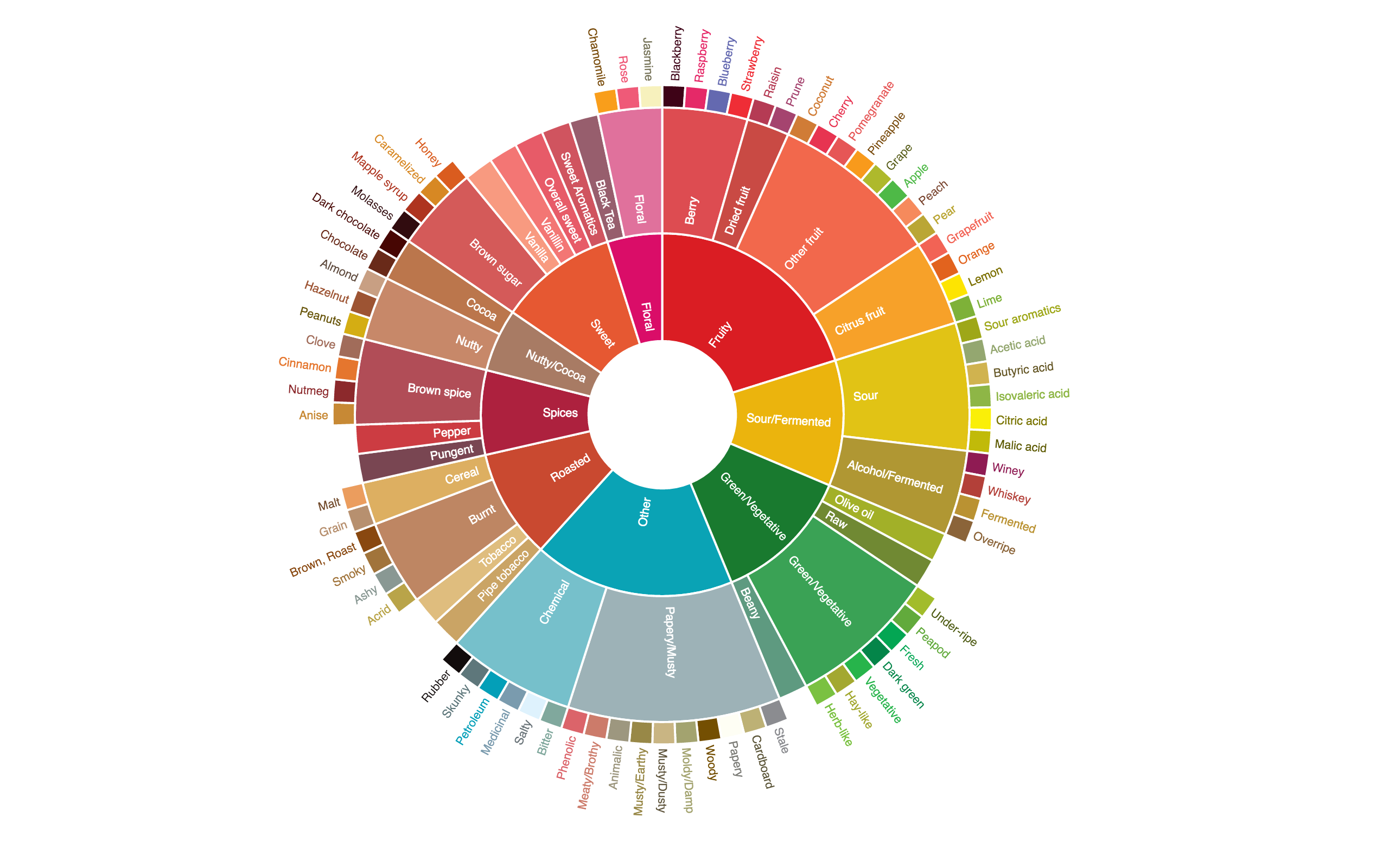
- Briny or mineral taste
- Savory, broth-like notes
- Flat bitterness with a salty edge
- Lingering mouthfeel
Salty espresso is not the same as:
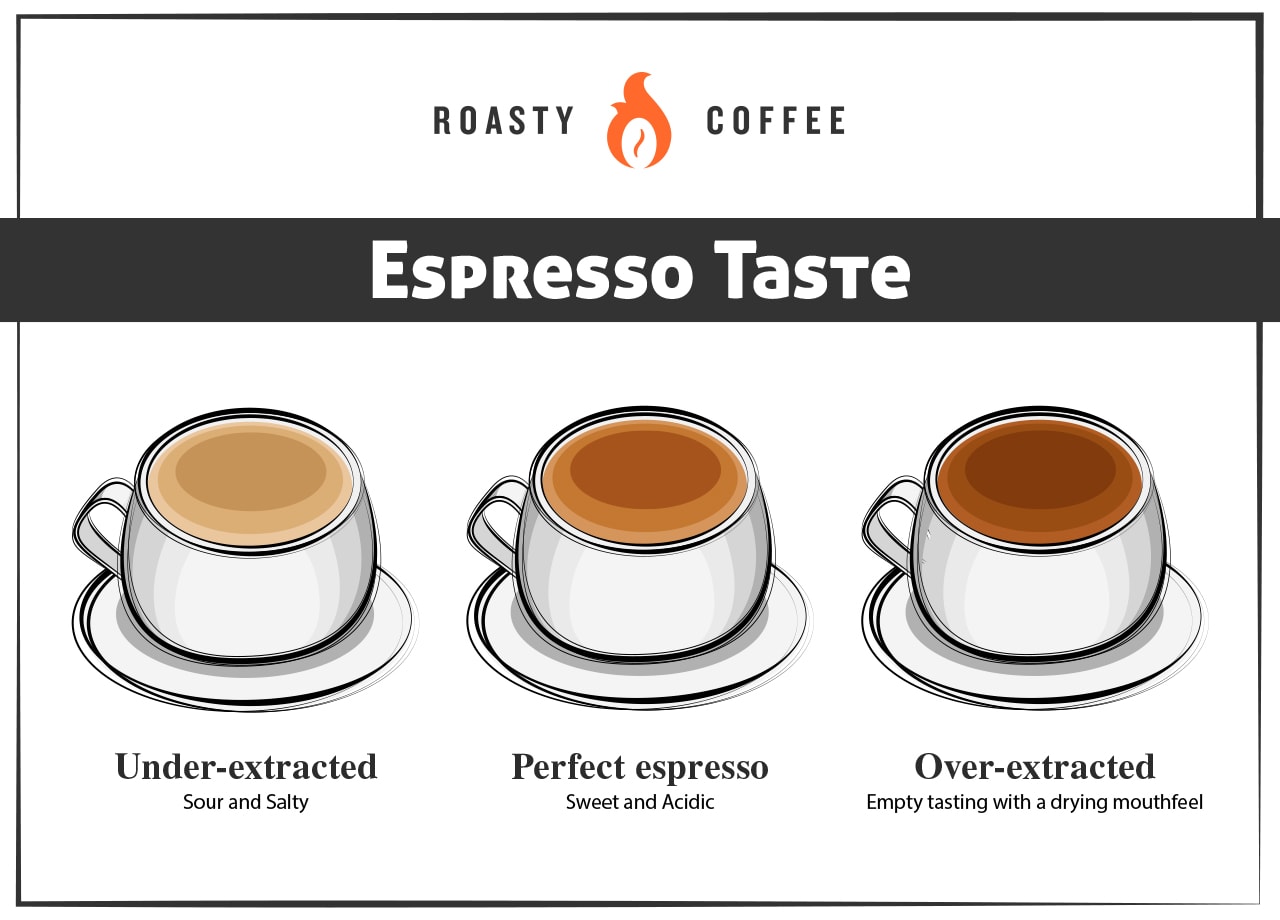
- Sour espresso (acidic)
- Bitter espresso (over-extracted)
Instead, saltiness usually signals a chemical imbalance in extraction or water composition.
The #1 Cause of Salty Espresso: Extreme Over-Extraction
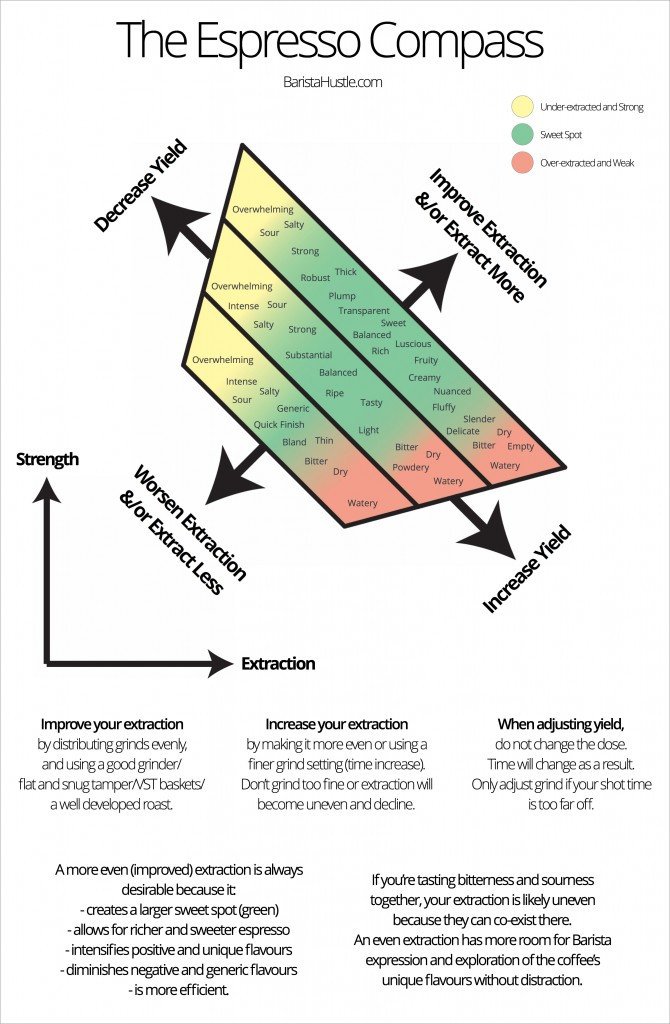
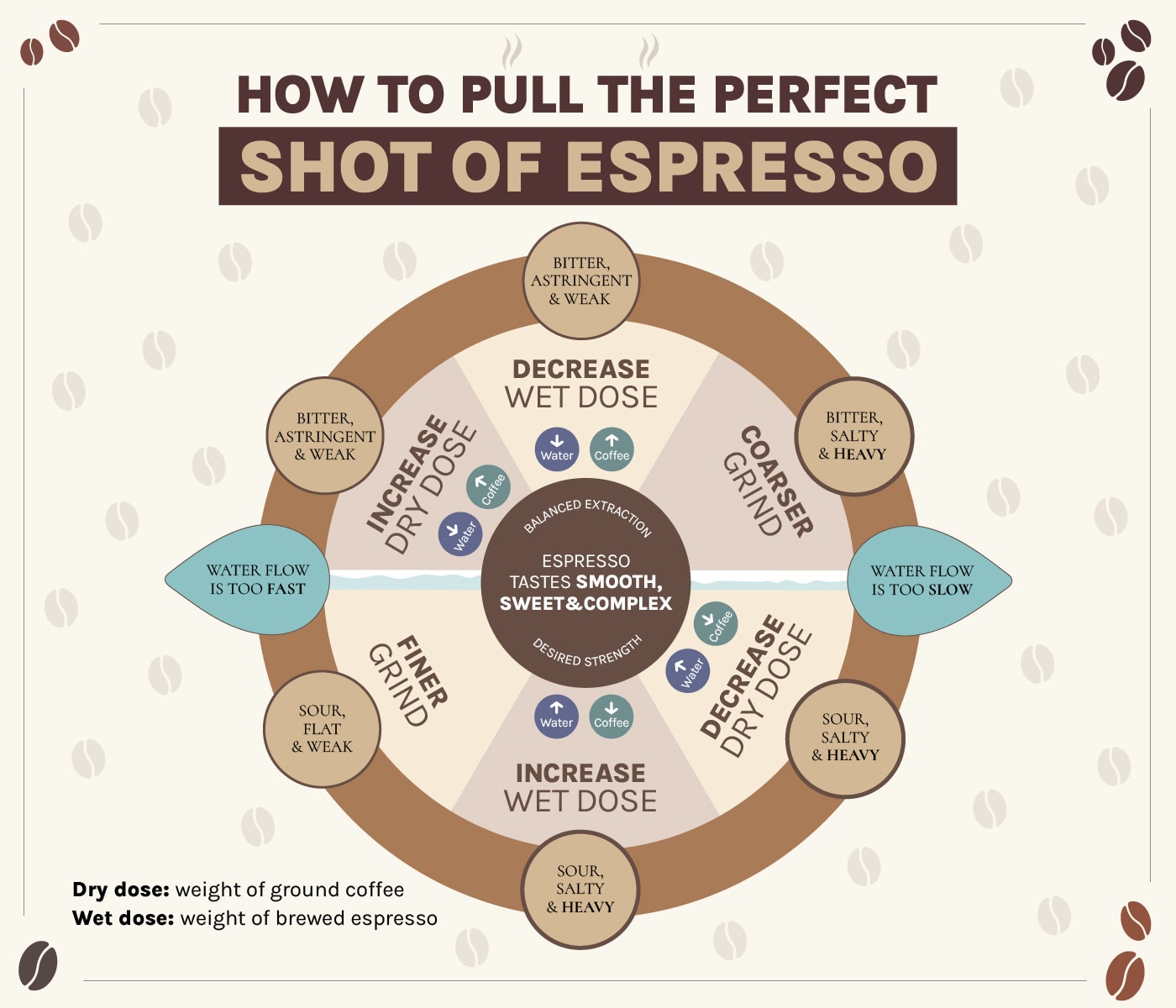
Espresso extraction happens in layers:
- Acids
- Sugars
- Bitters
- Salts & mineral compounds
When extraction goes too far, the final stage pulls out salty, metallic compounds.
This usually happens when:
- Shots run excessively long
- Grind is far too fine
- Pressure is too high
- Yield is too large
Salty espresso often appears after bitterness, especially toward the end of the shot.
Water Chemistry: The Silent Salt Amplifier
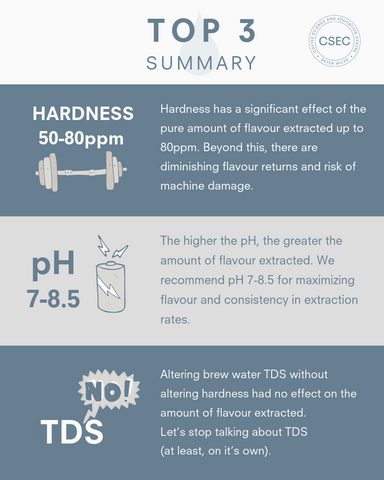
Water composition plays a massive role in salt perception.
Salty espresso is commonly caused by:
- Hard water with high sodium content
- Poorly balanced mineral packets
- Water softeners that increase sodium levels
If your water already contains salt, over-extraction magnifies it.
Espresso doesn’t add salt — it reveals what’s already there. Get our top recommended coffee-specific water filter here.
Brew Ratio: Pulling Too Much Liquid
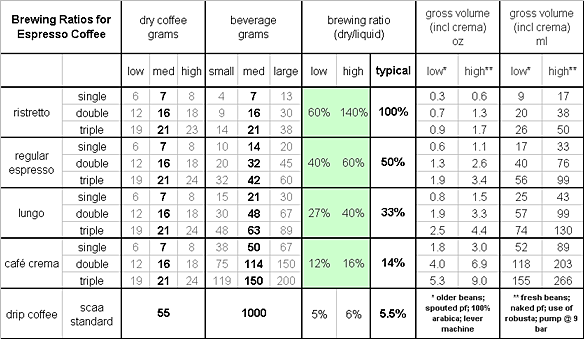
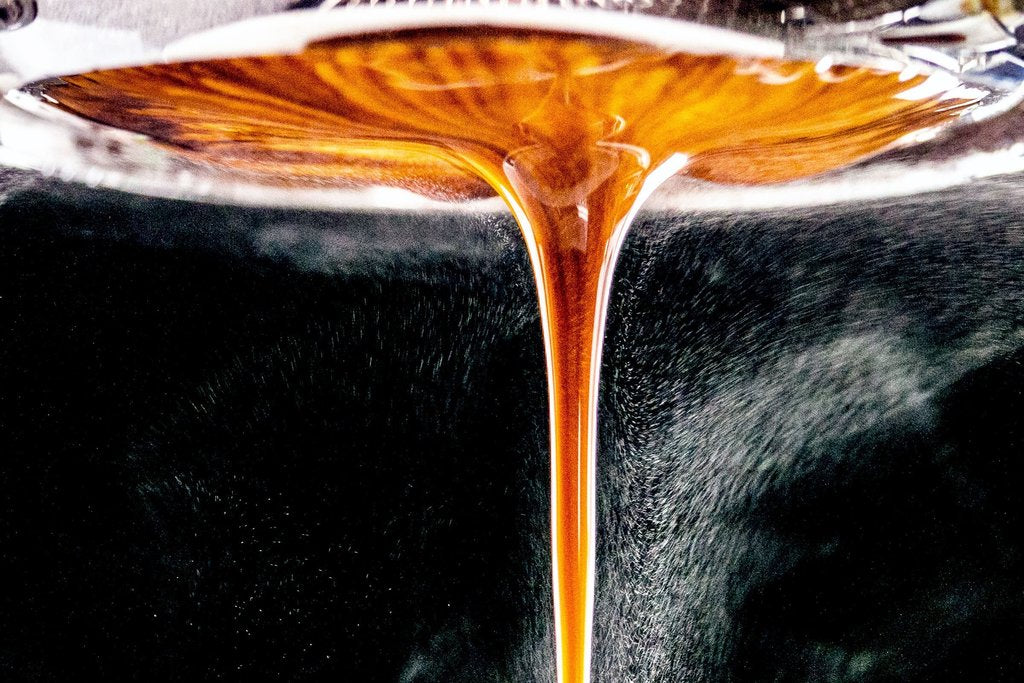
Salty shots often come from over-extended brew ratios.
Problem example:
- 18g in → 50–60g out
Balanced target:
- 1:2 ratio
- 18g in → 36g out
- 25–30 seconds
The longer water contacts the puck, the more salts dominate flavor.
Grind Size: Too Fine Unlocks Salty Compounds


A grind that’s too fine:
- Slows extraction
- Forces water through at high pressure
- Extracts deep, undesirable compounds
Signs grind is too fine:
- Dripping or choking shots
- Bitter finish followed by saltiness
- Harsh aftertaste
Salty espresso is often the final warning sign before a shot completely collapses.
Pressure Problems & Salty Espresso

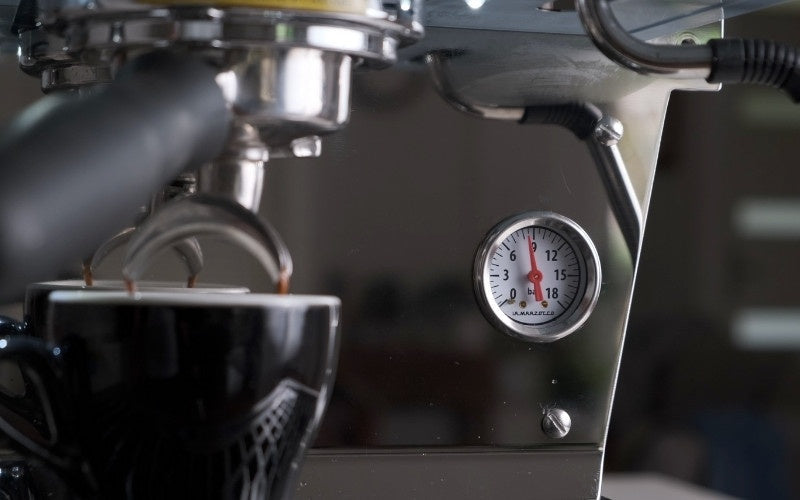
Excessive or unstable pressure:
- Forces water through compacted grounds
- Extracts salts unevenly
- Intensifies mineral flavors
Machines without stable pressure control often over-extract unpredictably, especially near the end of shots.
Old or Degraded Beans Can Taste Salty

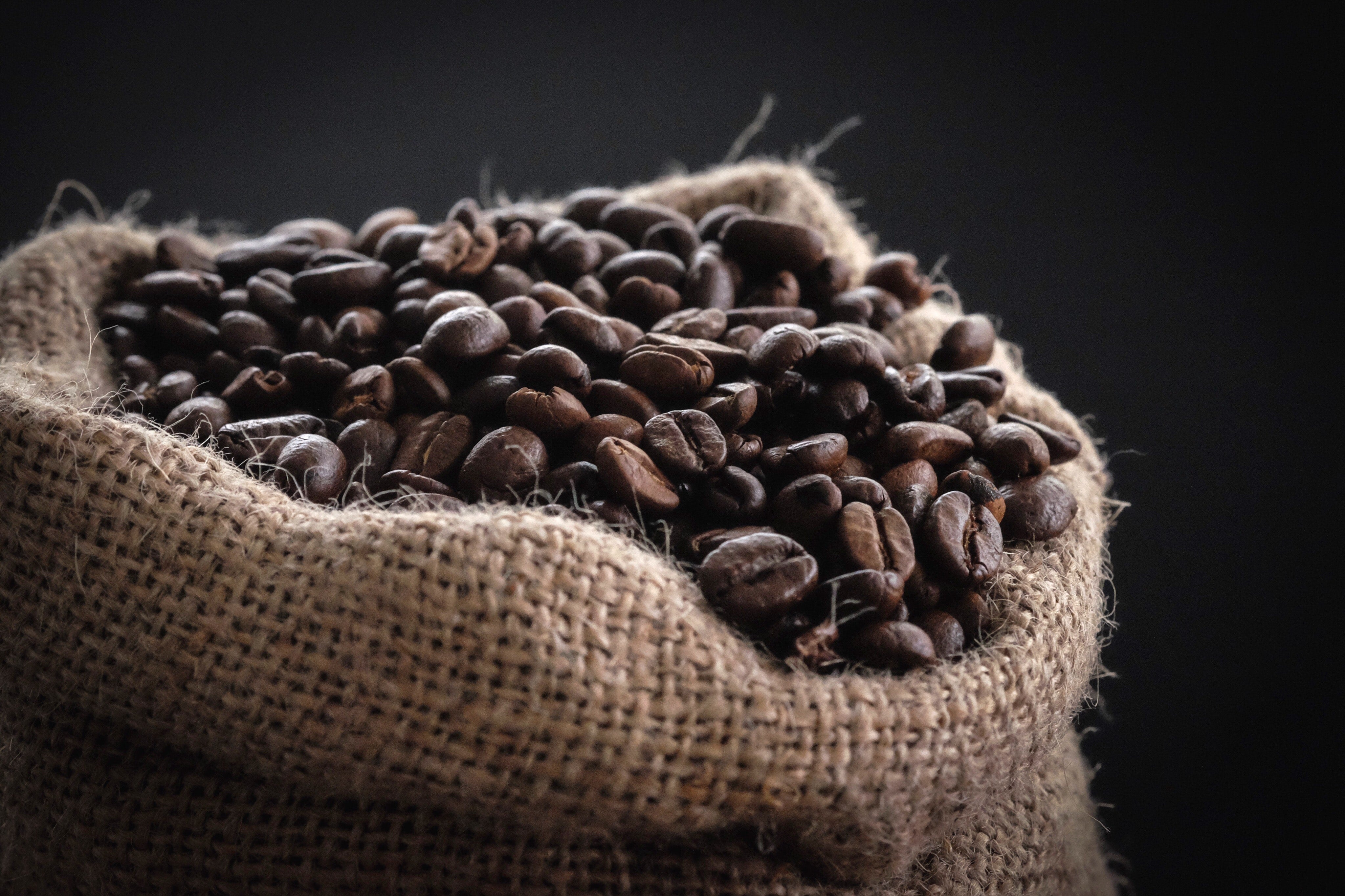
Stale beans:
- Lose sugars
- Retain bitter and mineral compounds
- Extract unevenly
When sweetness disappears, salts become more noticeable, even at normal extraction levels.
Fresh beans restore balance by bringing sweetness back into the equation.
Salty vs Bitter vs Sour Espresso (Critical Distinction)

| Flavor | Primary Cause | Fix Direction |
|---|---|---|
| Sour | Under-extraction | Extract more |
| Bitter | Over-extraction | Extract less |
| Salty | Extreme over-extraction or mineral imbalance | Shorten + rebalance |
Misdiagnosing saltiness often makes the problem worse.
How to Fix Salty Espresso (Step-by-Step)
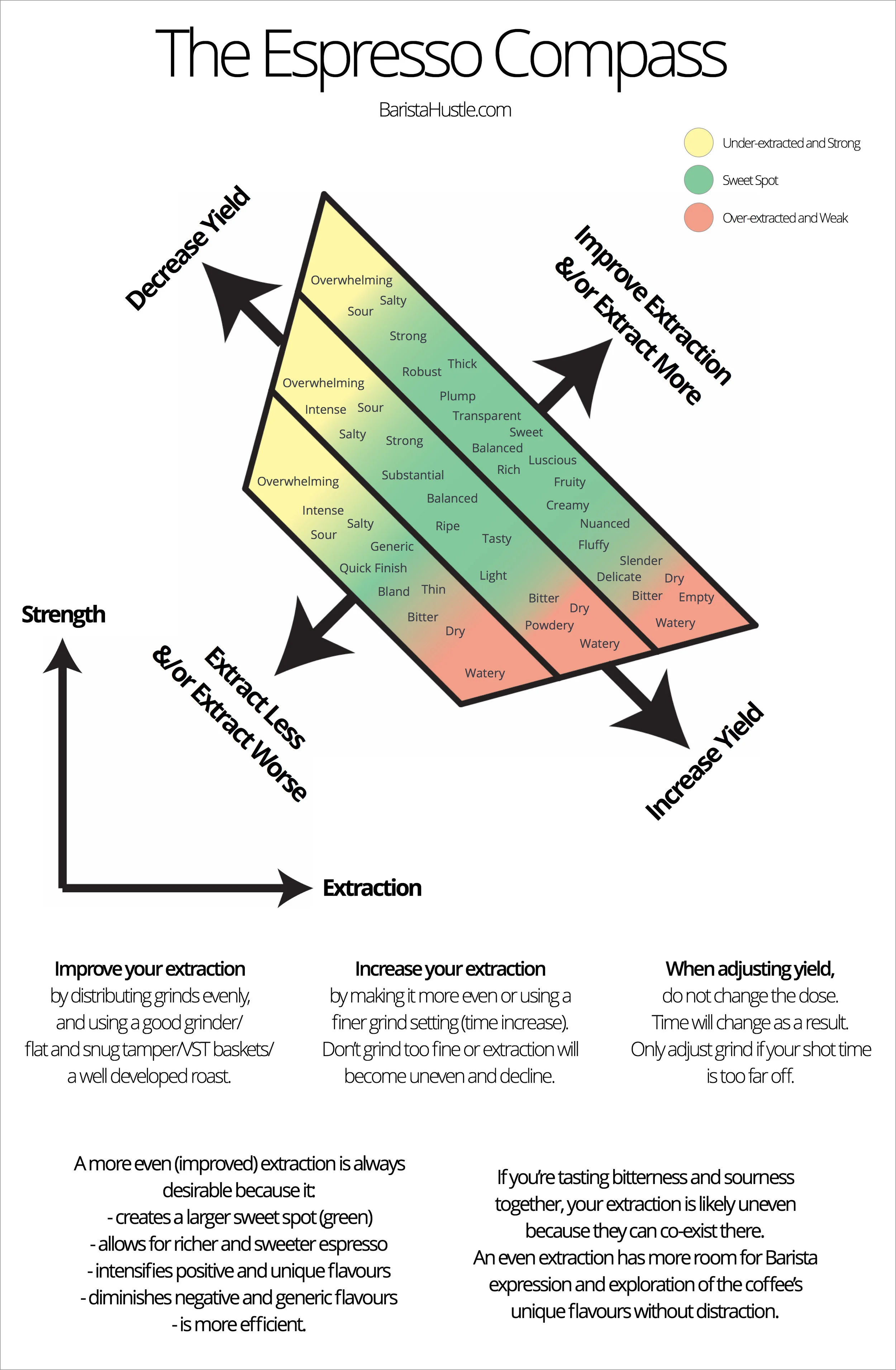

Follow this order exactly:
- Shorten the shot (reduce yield)
- Grind slightly coarser
- Reduce pressure if adjustable
- Check water mineral content
- Switch to fresh beans
- Stop extraction earlier
Salty espresso usually disappears quickly once over-extraction is corrected.
When Salty Espresso Isn’t Your Fault
Persistent saltiness can come from:
- Sodium-heavy water supplies
- Poor water softeners
- Inconsistent pressure machines
- Cheap grinders forcing over-extraction
At that point, water and equipment become the bottleneck—not technique.
Leave a Reply