Espresso Pulling Too Fast? (Why It Happens and How to Fix It Properly)
If your espresso shot finishes in 10–15 seconds, gushes out like water, or tastes thin, sour, or weak, your espresso is pulling too fast.
This is one of the most common espresso problems, and it’s almost always caused by insufficient resistance during extraction.
The good news?
👉 Fast espresso shots are easy to slow down once you understand what controls flow and how small changes create big improvements.
This guide explains why espresso pulls too fast, how to diagnose the exact cause, and how to fix it step by step so your shots land in the sweet spot.
Amazon Associates Program: Some links on this site are generated through the Amazon Associates Program. We only recommend products and services we genuinely trust and believe provide real value. Please see our Terms & Conditions.
What “Espresso Pulling Too Fast” Actually Means
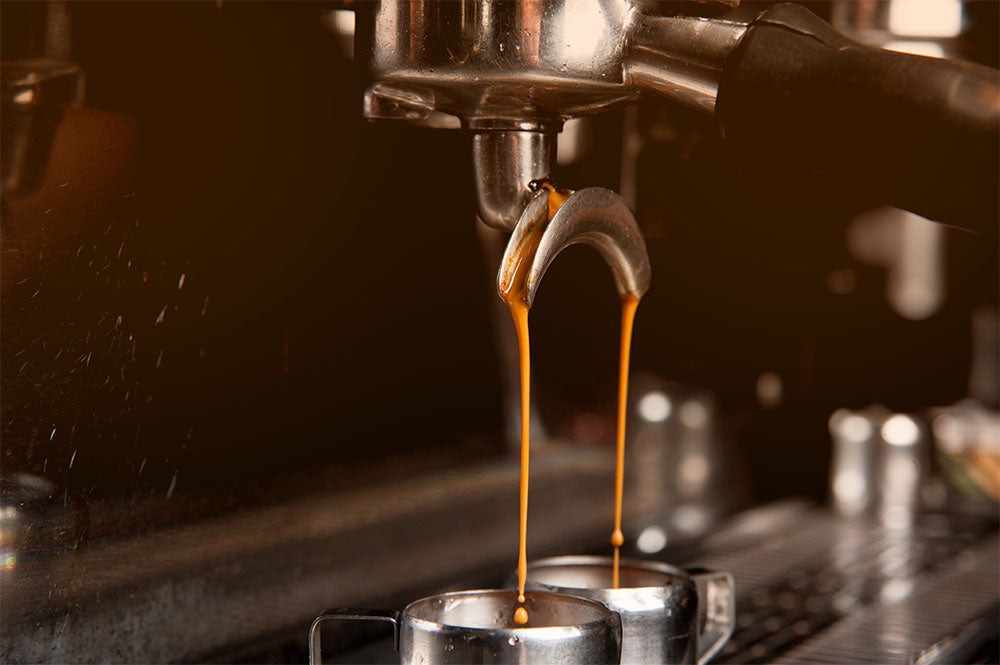
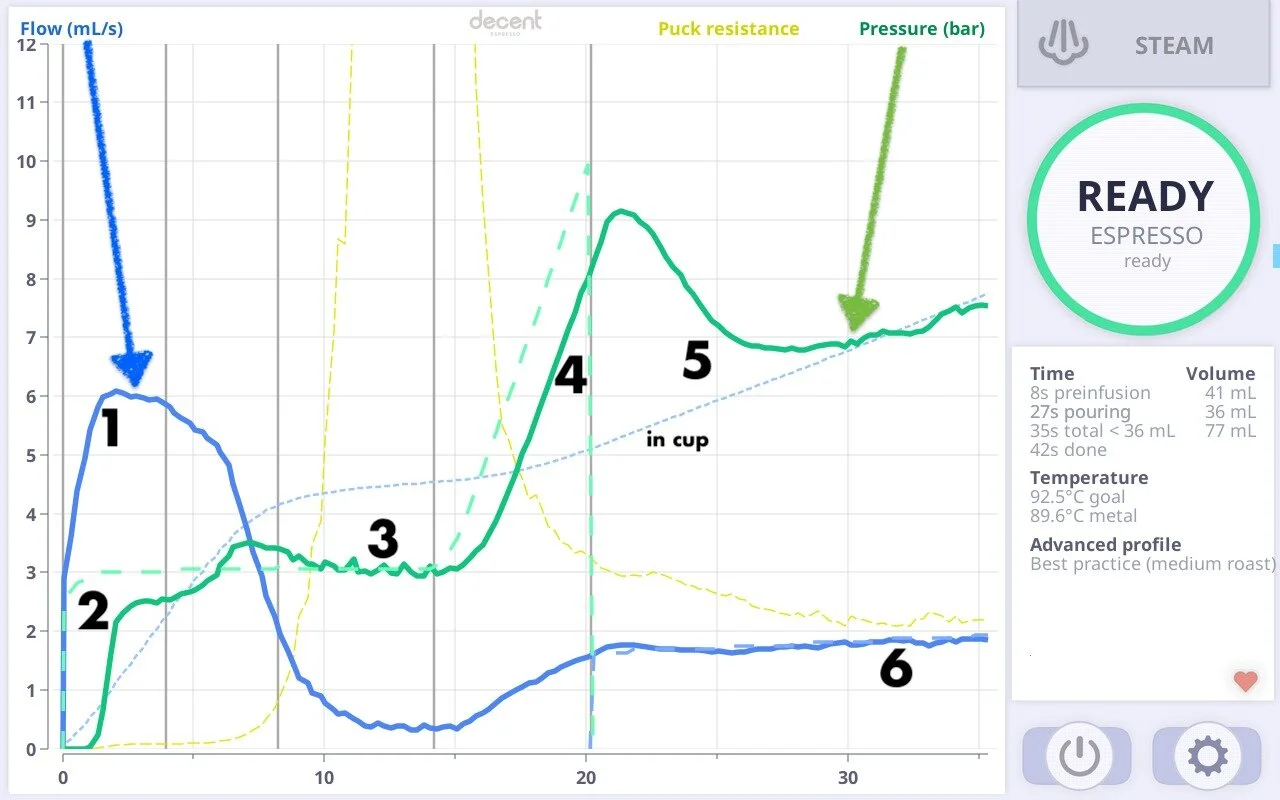

A fast espresso shot means water is moving through the puck too easily, extracting acids first but skipping sugars and oils.
Typical symptoms:
- Shot finishes under 20 seconds
- Pale or thin crema
- Sour or hollow flavor
- Weak body and short finish
Fast shots = under-extraction, not strong espresso.
The Core Problem: Not Enough Resistance
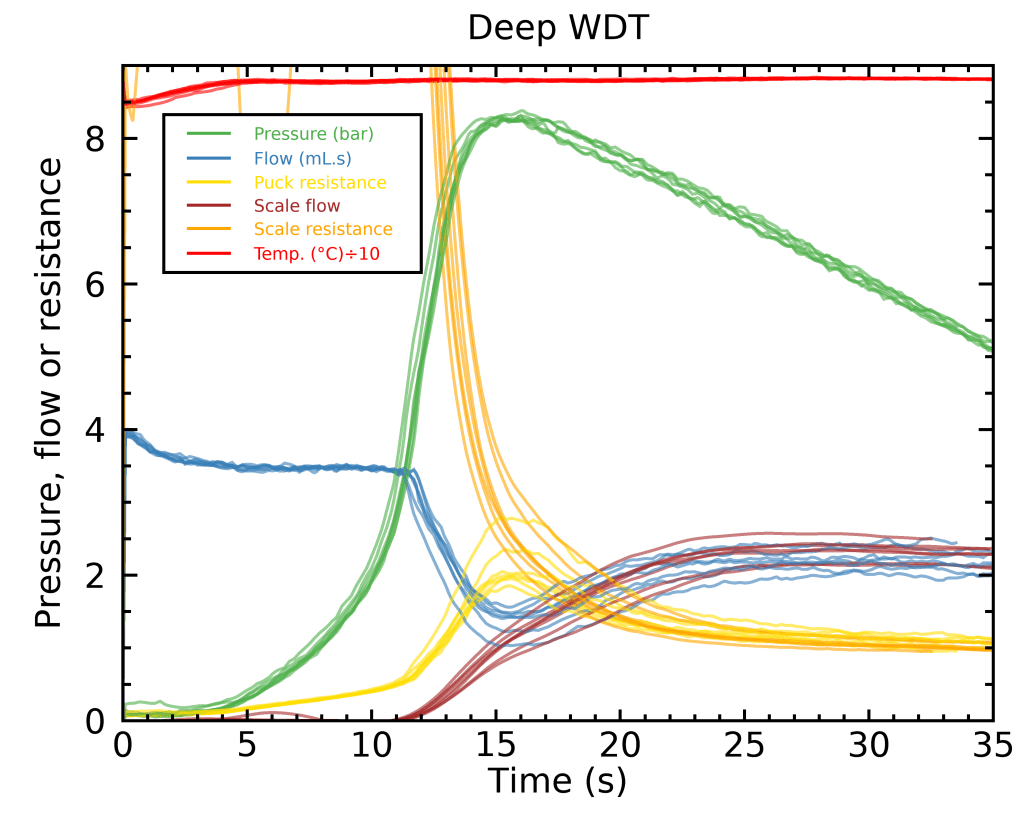
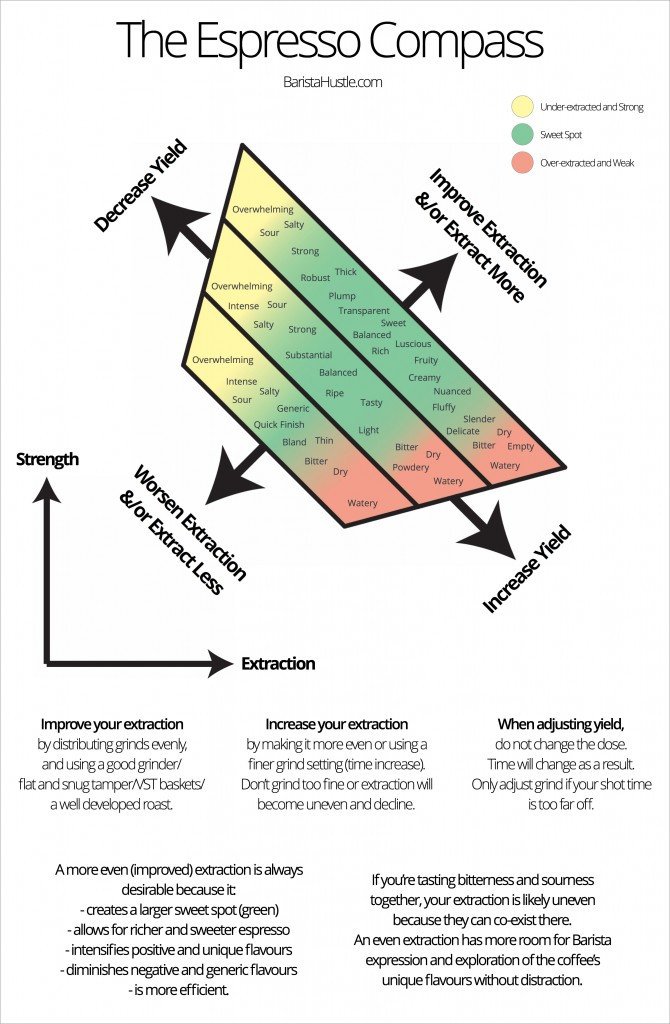
Espresso depends on resistance. When resistance is too low, water rushes through before proper extraction can occur.
Low resistance is usually caused by:
- Grind too coarse
- Dose too low
- Brew ratio too high
- Poor puck preparation
- Pressurized portafilters
Fix resistance, and shot speed fixes itself.
Grind Size: The #1 Reason Espresso Pulls Too Fast


If your espresso pulls too fast, your grind is almost always too coarse.
Signs:
- Espresso gushes instead of flowing
- Shot finishes in under 20 seconds
- Flavor is sour or weak
Fix:
- Adjust grind finer, one small step at a time
- Re-test shot timing
- Aim for 25–30 seconds
Small grind changes make a huge difference.
Dose: Too Little Coffee = Fast Flow
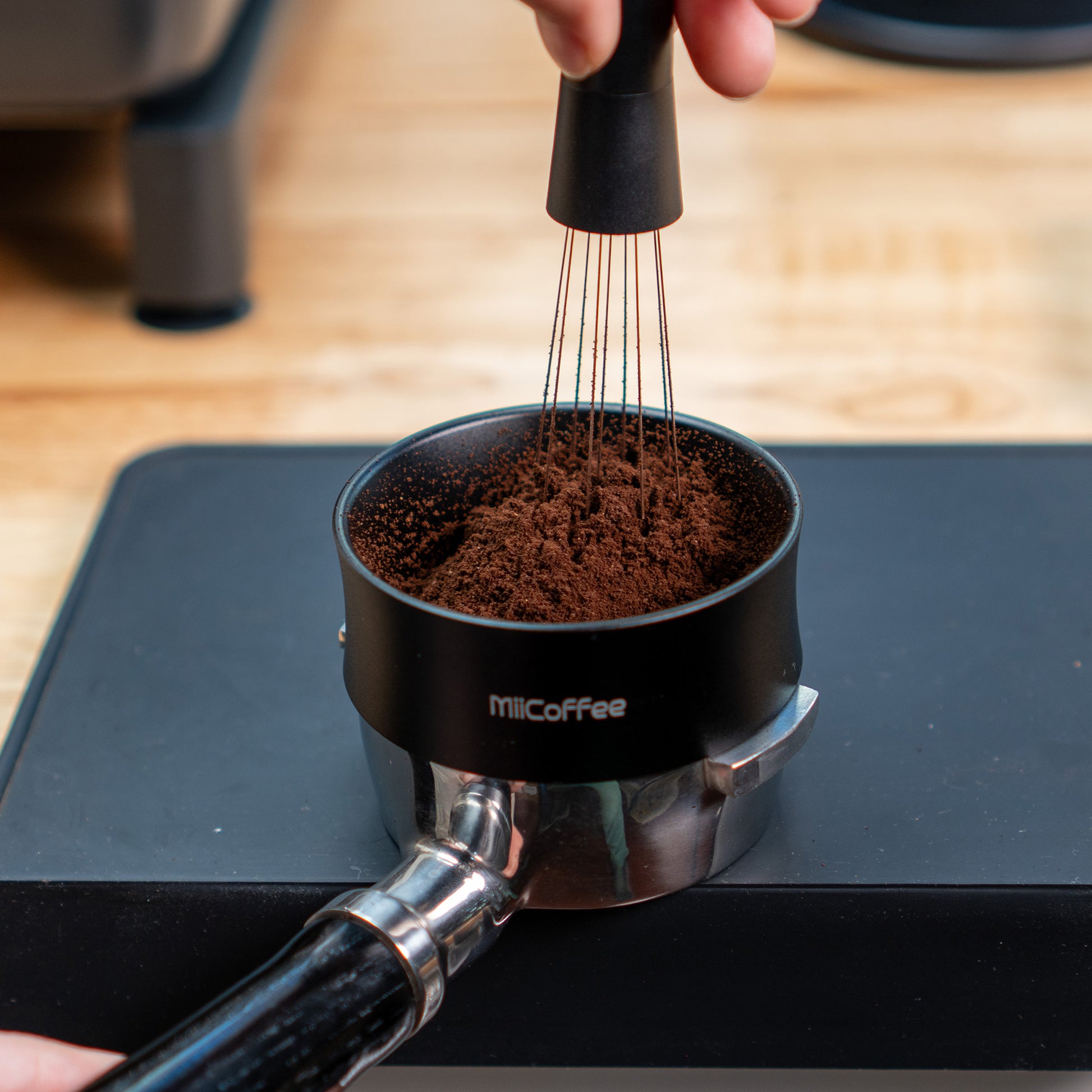

Underdosing reduces puck density, allowing water to pass too easily.
Common mistakes:
- Using 14–16g in a double basket
- Not weighing the dose
- Using the wrong basket size
Fix:
- Use 18–20g for a standard double shot
- Match dose to basket size
- Weigh every shot
More coffee = more resistance.
Brew Ratio: Stopping Too Late or Too Early
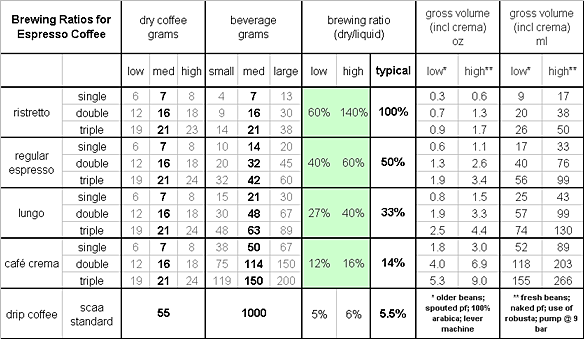
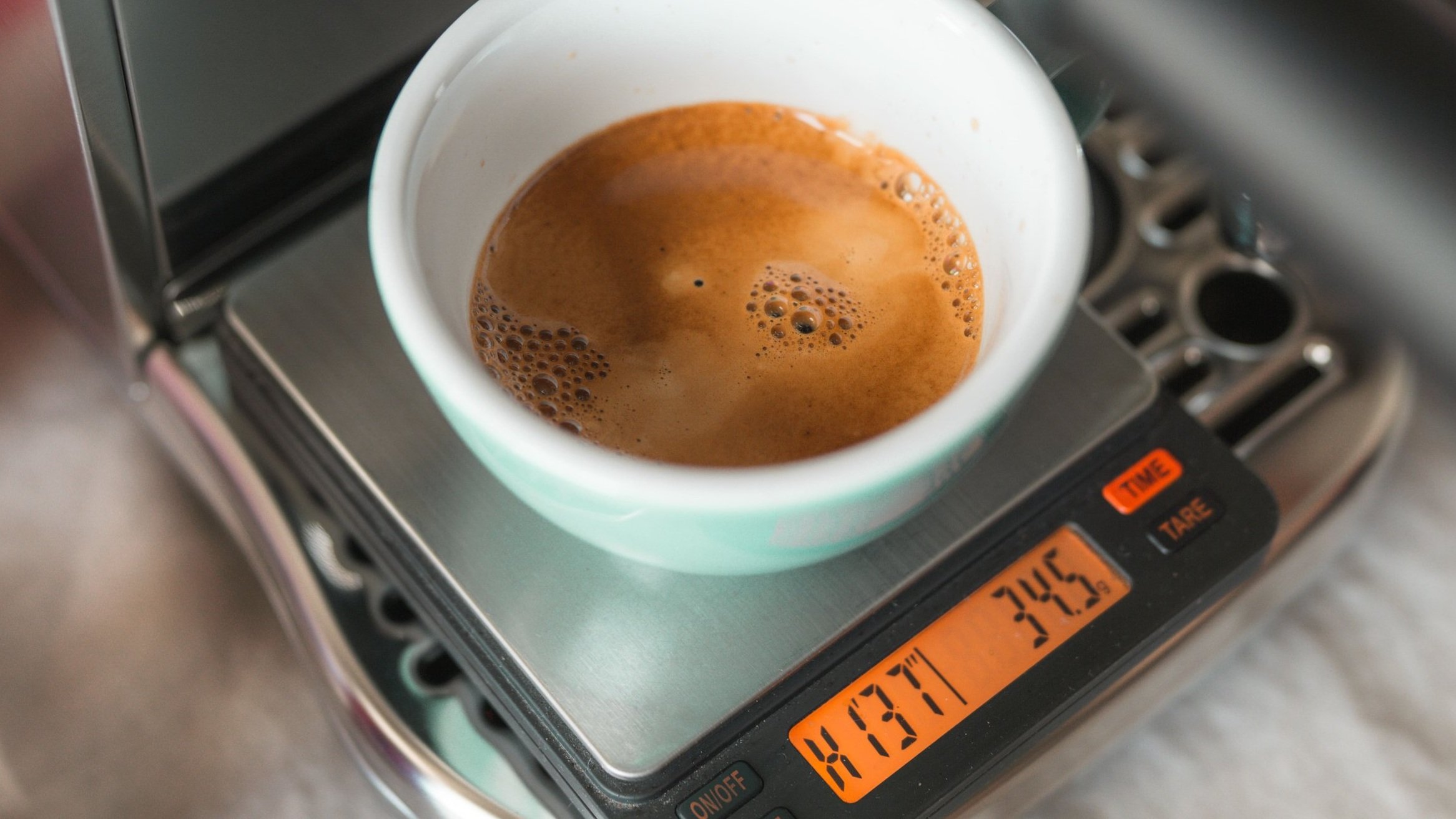
Fast shots often result from stopping the shot too early or letting it run too long with low resistance.
Balanced target:
- 1:2 brew ratio
- 18g in → 36g out
- 25–30 seconds
Chasing volume instead of ratio creates fast, weak shots.
Puck Prep Problems That Cause Fast Shots

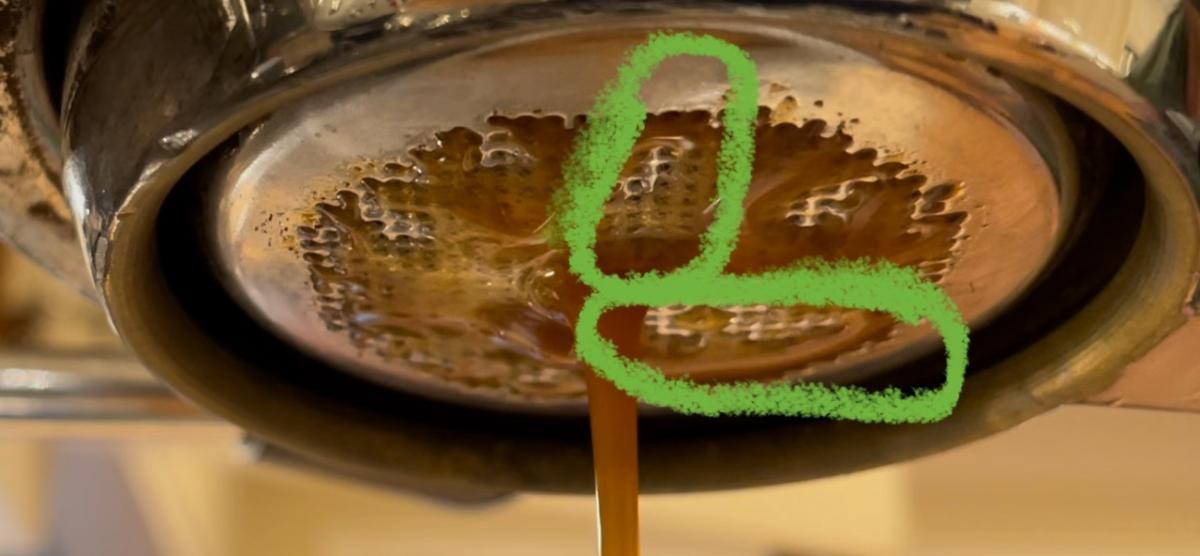
Even with the right grind and dose, bad puck prep can cause water to bypass most of the coffee.
Common issues:
- Uneven distribution
- Clumps in grounds
- Crooked tamping
- Channeling
When water finds gaps, speed increases instantly.
Tamping: Why Harder Isn’t Better


Tamping mistakes that speed up shots:
- Tamping at an angle
- Inconsistent pressure
- Re-tamping after knocking
Key rule:
Level tamping matters more than force
A level, consistent tamp slows flow predictably.
Pressurized Portafilters Make Fast Shots Worse
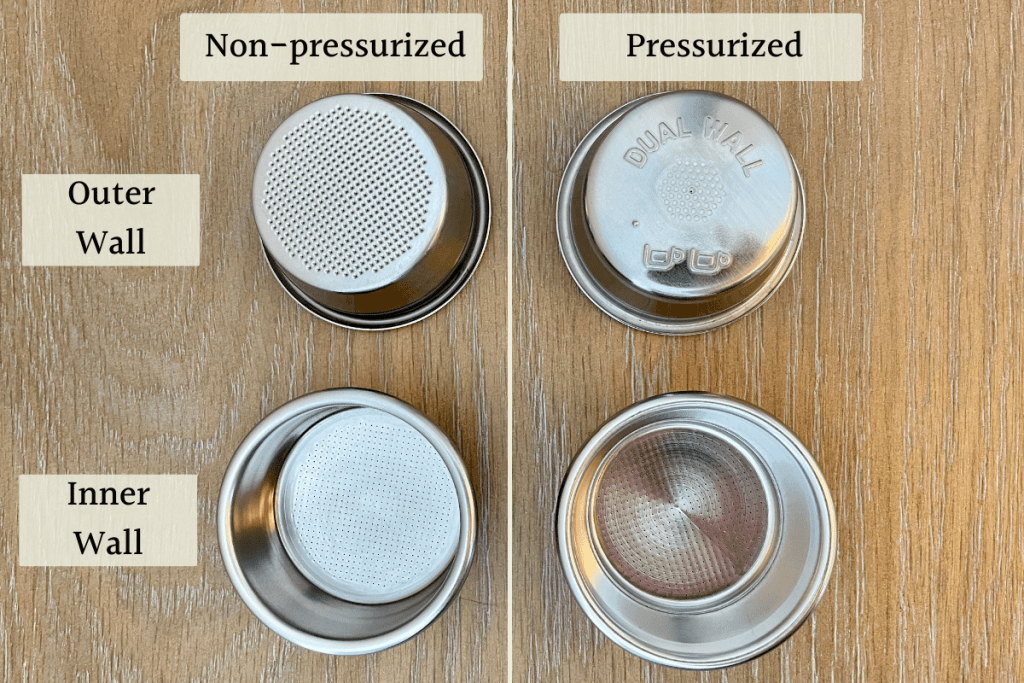
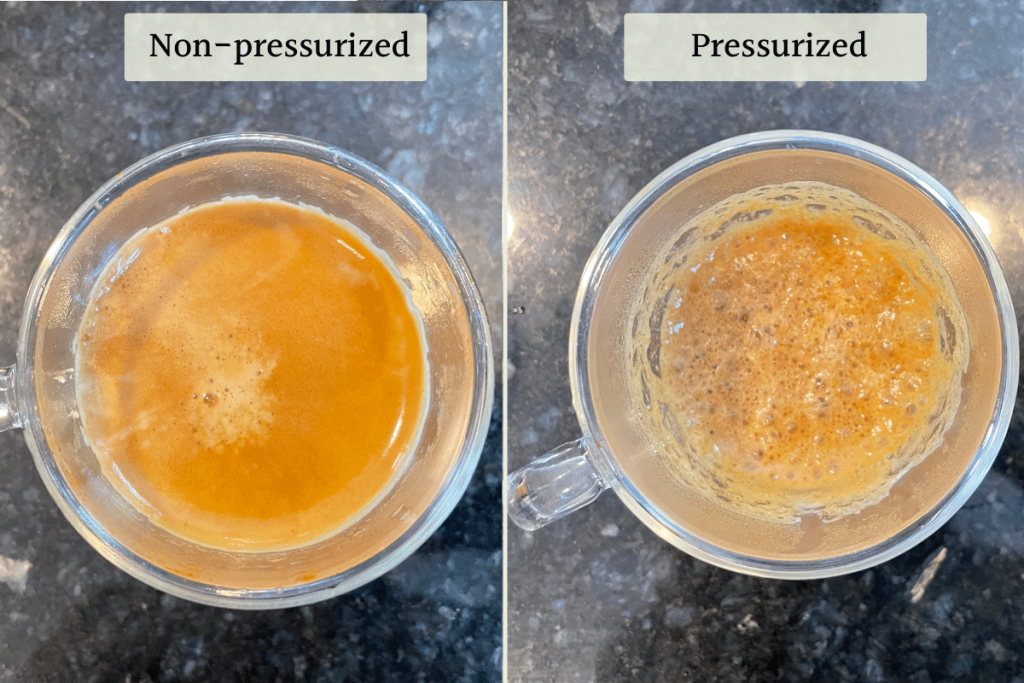
Pressurized portafilters:
- Mask grind problems
- Limit resistance control
- Produce fake crema
They often cause:
- Fast, inconsistent shots
- Poor flavor control
Switching to non-pressurized baskets gives you real flow control.
Bean Freshness & Fast Extraction

Stale beans extract faster and offer less resistance.
Old beans:
- Release less CO₂
- Compress poorly
- Increase flow speed
Fresh beans slow extraction naturally and improve crema.
Step-by-Step: How to Slow Espresso Down Correctly
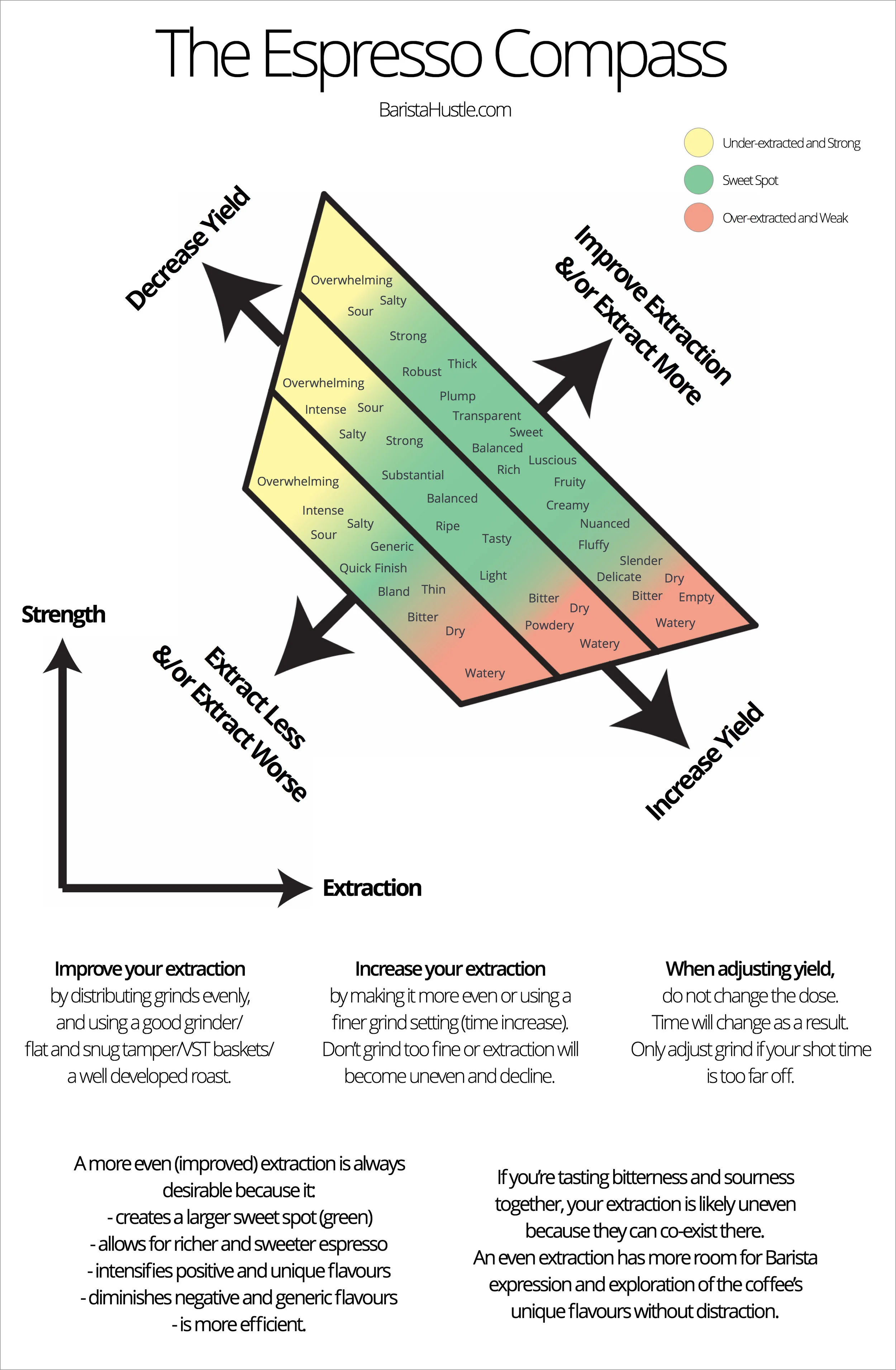

Follow this order exactly:
- Use fresh beans
- Grind finer
- Increase dose slightly
- Improve distribution
- Tamp level
- Adjust brew ratio last
Change one variable at a time.
When Fast Shots Aren’t Your Fault
Sometimes fast extraction persists due to:
- Inconsistent grinders
- Cheap burrs
- Pressurized systems
- Poor basket quality
- Temperature-unstable machines
At that point, equipment limits control, not technique.
Leave a Reply