
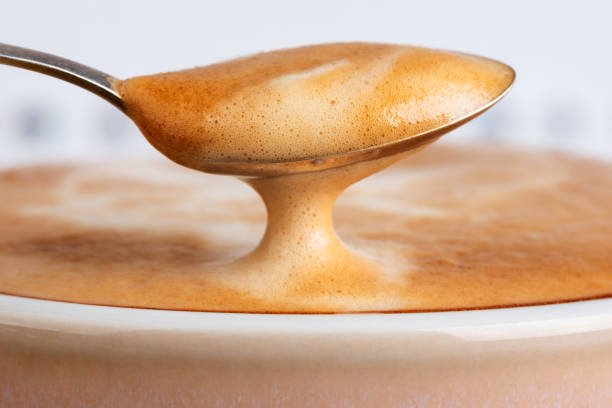
Why Is There No Crema on My Espresso? (And How to Get Thick, Lasting Crema)
One of the first things people notice about a bad espresso shot isn’t the taste — it’s the lack of crema.
You lock in the portafilter, pull the shot, and instead of a thick golden foam, you get a flat, lifeless liquid that looks more like strong coffee than espresso.
The good news?
👉 No crema is almost always a fixable problem, and it’s usually caused by bean freshness, grind quality, or pressure issues, not your skill level.
This guide explains why crema disappears, what crema actually means, and how to fix the problem step by step so your espresso looks — and tastes — the way it should.
Amazon Associates Program: Some links on this site are generated through the Amazon Associates Program. We only recommend products and services we genuinely trust and believe provide real value. Please see our Terms & Conditions.
What Crema Actually Is (And What It Isn’t)
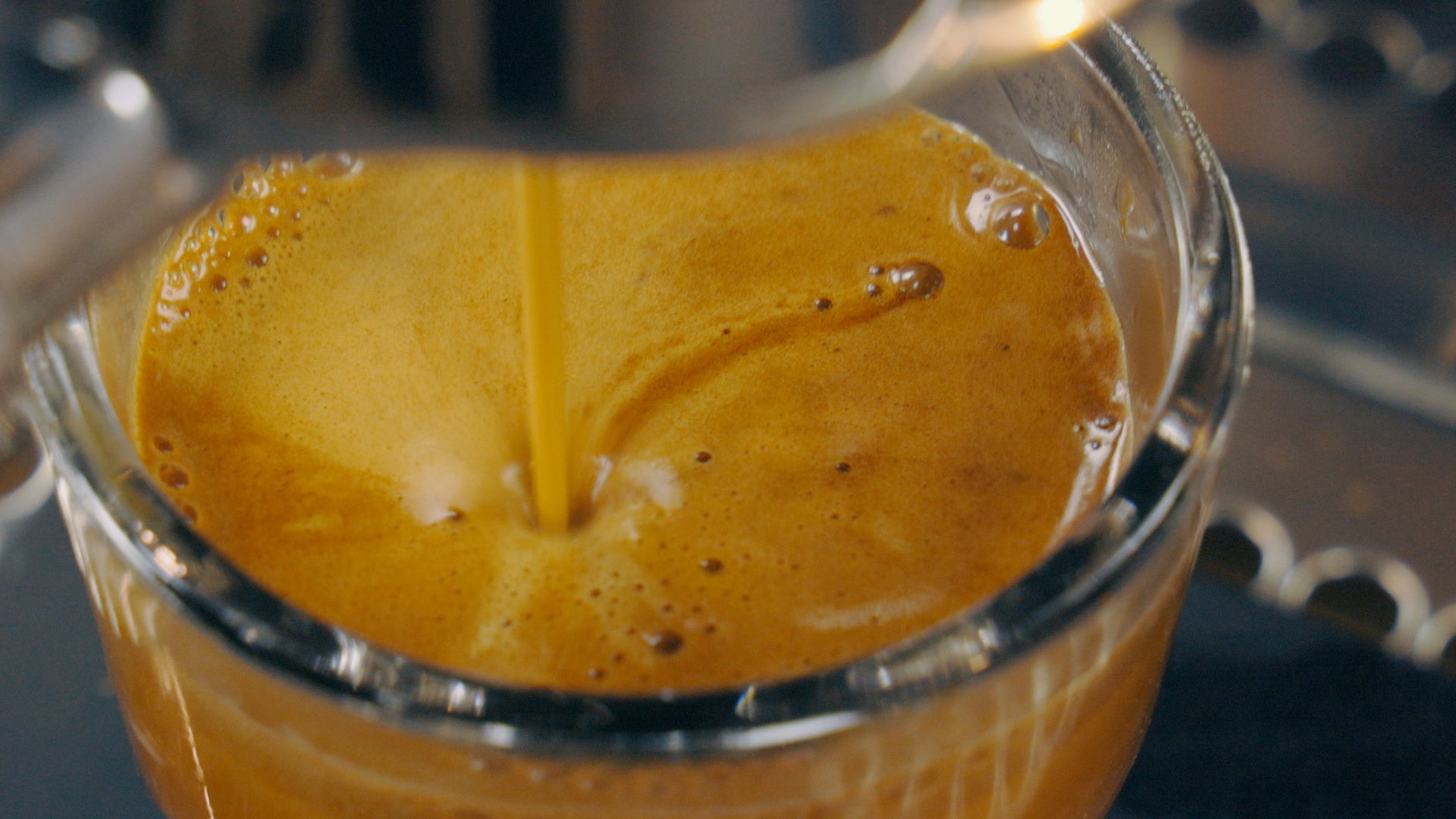


Crema is the golden foam layer that forms when pressurized hot water emulsifies oils and carbon dioxide trapped in fresh coffee.
Crema is:
- A sign of fresh beans
- A result of proper pressure
- An indicator of correct extraction
Crema is not:
- Proof of good taste by itself
- Guaranteed by expensive machines
- Something you can fake reliably
No crema usually means something upstream is wrong.
The #1 Cause of No Crema: Stale Coffee Beans


If your espresso has no crema, the first thing to suspect is bean freshness.
Coffee beans release carbon dioxide over time. Once that gas is gone, crema can’t form.
Signs your beans are too old:
- No crema even with good technique
- Flat aroma
- Dull flavor
- Beans older than 3–4 weeks post-roast
👉 Supermarket coffee is often months old, even if the bag looks new. Always get fresh coffee beans!
Grind Quality: Why Cheap Grinders Kill Crema

Crema requires uniform particle size. Inconsistent grinds destroy pressure and extraction.
Problems caused by poor grinders:
- Too many fines and boulders
- Inconsistent resistance
- Channeling
- Weak crema that dissipates instantly
Blade grinders, and low-quality burr grinders, are some of the biggest crema killers in home espresso.
Grind Size: Too Coarse = No Crema
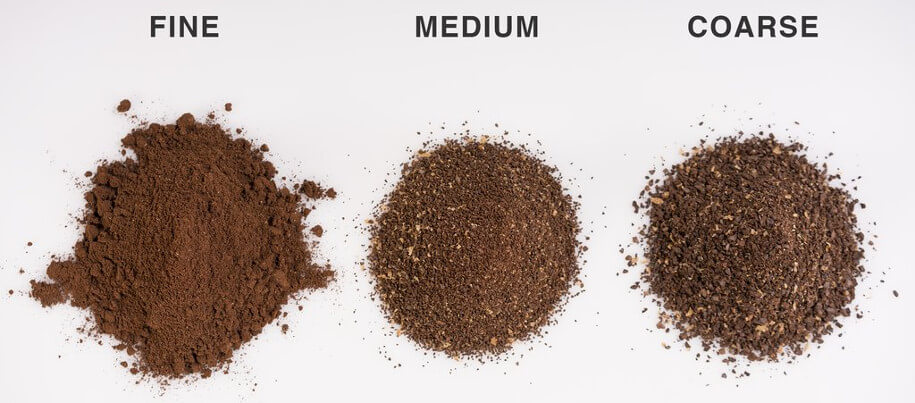

Even with fresh beans, a grind that’s too coarse prevents pressure buildup.
Symptoms:
- Espresso flows fast
- Pale crema or none at all
- Thin body
Fix:
- Adjust grind slightly finer
- Aim for 25–30 second shot time
- Watch for steady, syrupy flow
Crema forms under controlled resistance.
Pressure Problems: Crema Needs Force

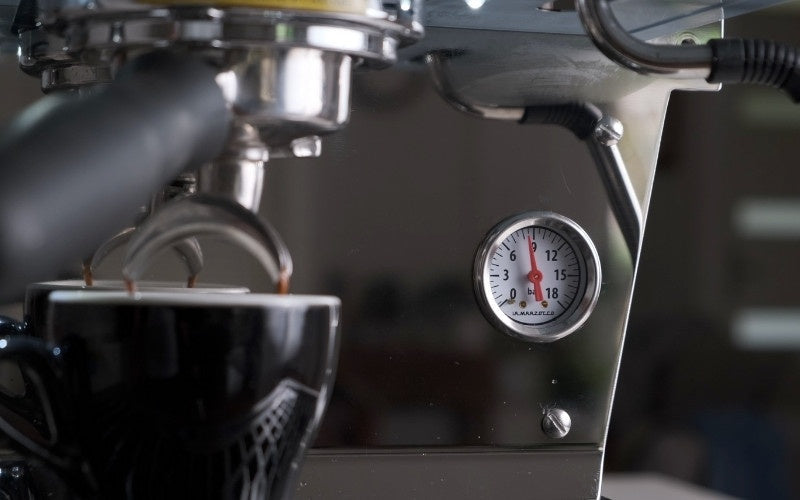
Espresso requires roughly 9 bars of pressure to form crema.
Crema problems occur when:
- Pump pressure is inconsistent
- Machines can’t maintain pressure
- Pressurized portafilters mask real issues
Low or unstable pressure = no crema.
Pressurized vs Non-Pressurized Portafilters
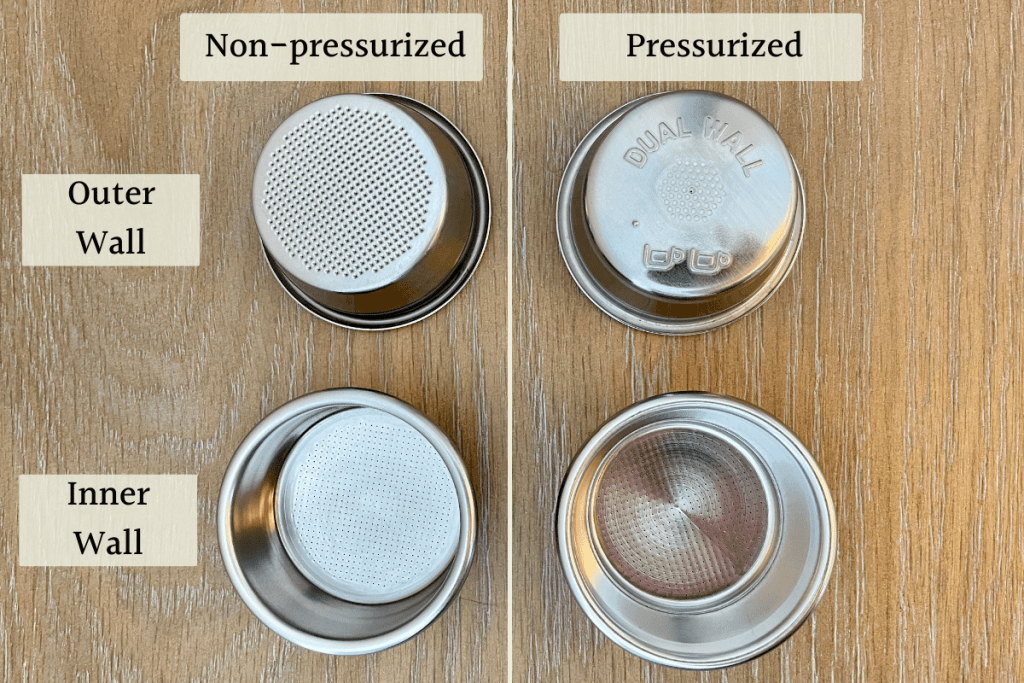
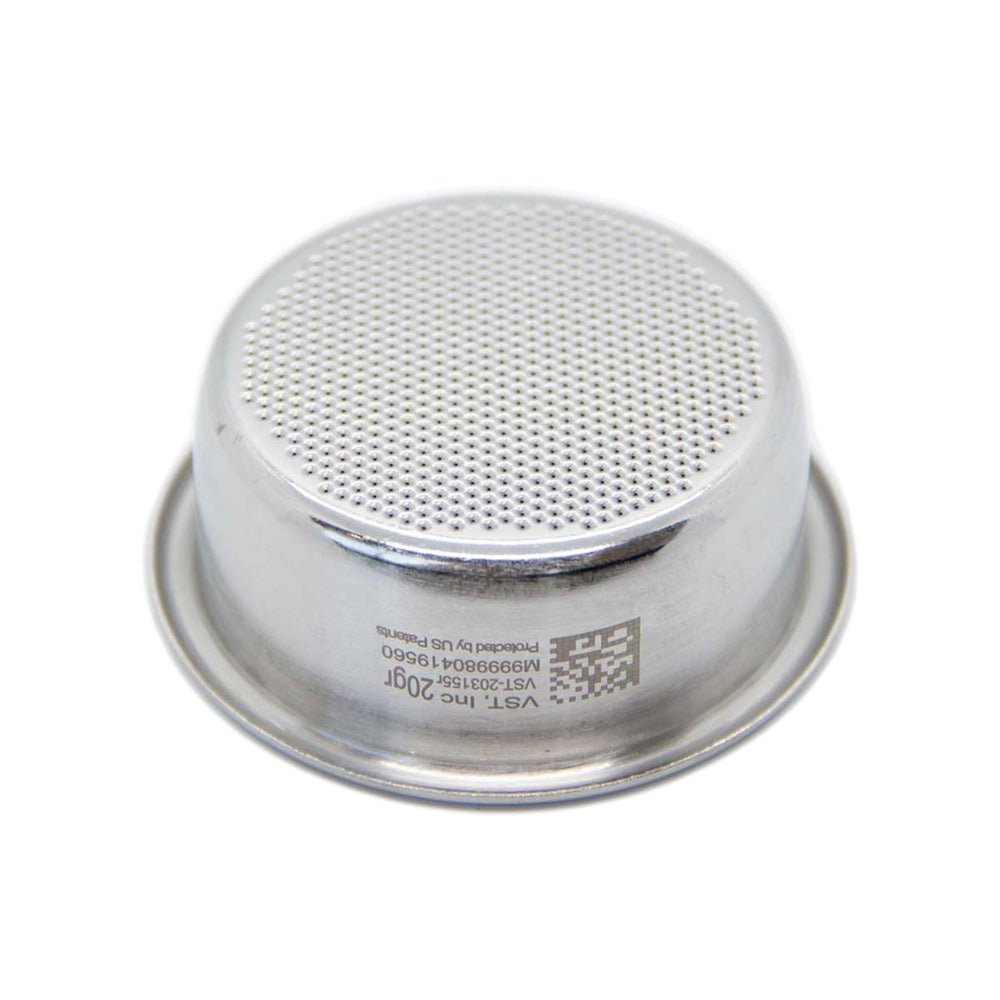
Pressurized portafilters fake crema by forcing foam through a tiny exit hole.
While this can create foam, it often:
- Hides grind problems
- Produces unstable, bubbly crema
- Limits improvement potential
Non-pressurized baskets create real crema — the kind that reflects actual extraction quality.
Water Temperature: Too Cool = No Crema

Water that’s too cool struggles to extract oils and gas.
Ideal espresso temperature:
- 195–205°F (90–96°C)
Common issues:
- Brewing before machine fully warms up
- Cold portafilter
- Poor temperature stability
Preheating matters more than most people realize.
Roast Level & Crema


Roast level affects crema production:
- Dark roasts → more visible crema, less nuanced flavor
- Medium roasts → balanced crema + better taste
- Light roasts → less crema, more acidity
If crema matters to you, medium roasts are the sweet spot.
No Crema vs Bad Espresso (Important Distinction)


It’s possible to have:
- Crema with bad taste
- No crema with decent taste
But consistently good espresso almost always has some crema.
If crema is missing and flavor is weak, something fundamental needs adjustment.
Quick Fix Checklist (Save This)
If your espresso has no crema, check these in order:
- Use fresh beans
- Grind finer
- Improve grinder consistency
- Ensure proper pressure
- Fully warm up machine
- Switch to non-pressurized baskets
Fix the basics — crema returns naturally.
When No Crema Isn’t Your Fault
Sometimes the issue is:
- Old beans sold as “fresh”
- Entry-level grinders
- Temperature-unstable machines
- Pressurized systems limiting growth
At that point, equipment becomes the bottleneck, not skill.
Upgrading strategically fixes crema faster than endless tweaking.
Leave a Reply