Why Does My Espresso Taste Sour? (And How to Fix It Fast)
If your espresso tastes sour, sharp, or mouth-puckering, you’re not alone. Sour espresso is one of the most common problems home baristas face — and it’s often mistaken for “bad beans” or “acidic coffee.”
In reality, sour espresso almost always means under-extraction.
This guide explains why espresso tastes sour, how to identify the exact cause, and how to fix it step by step so your shots become balanced, sweet, and smooth instead of harsh and acidic.
Amazon Associates Program: Some links on this site are generated through the Amazon Associates Program. We only recommend products and services we genuinely trust and believe provide real value. Please see our Terms & Conditions.
What Sour Espresso Really Means


Sourness in espresso comes from acids extracting before sugars and bitter compounds.
Espresso extraction happens in stages:
- Acids extract first → sour, sharp flavors
- Sugars extract next → sweetness, balance
- Bitters extract last → dryness, harshness
If extraction stops too early, you’re left with acid-heavy espresso — which tastes sour even if the beans are high quality.
Sour espresso = not enough extraction, not bad coffee.
The #1 Cause of Sour Espresso: Under-Extraction
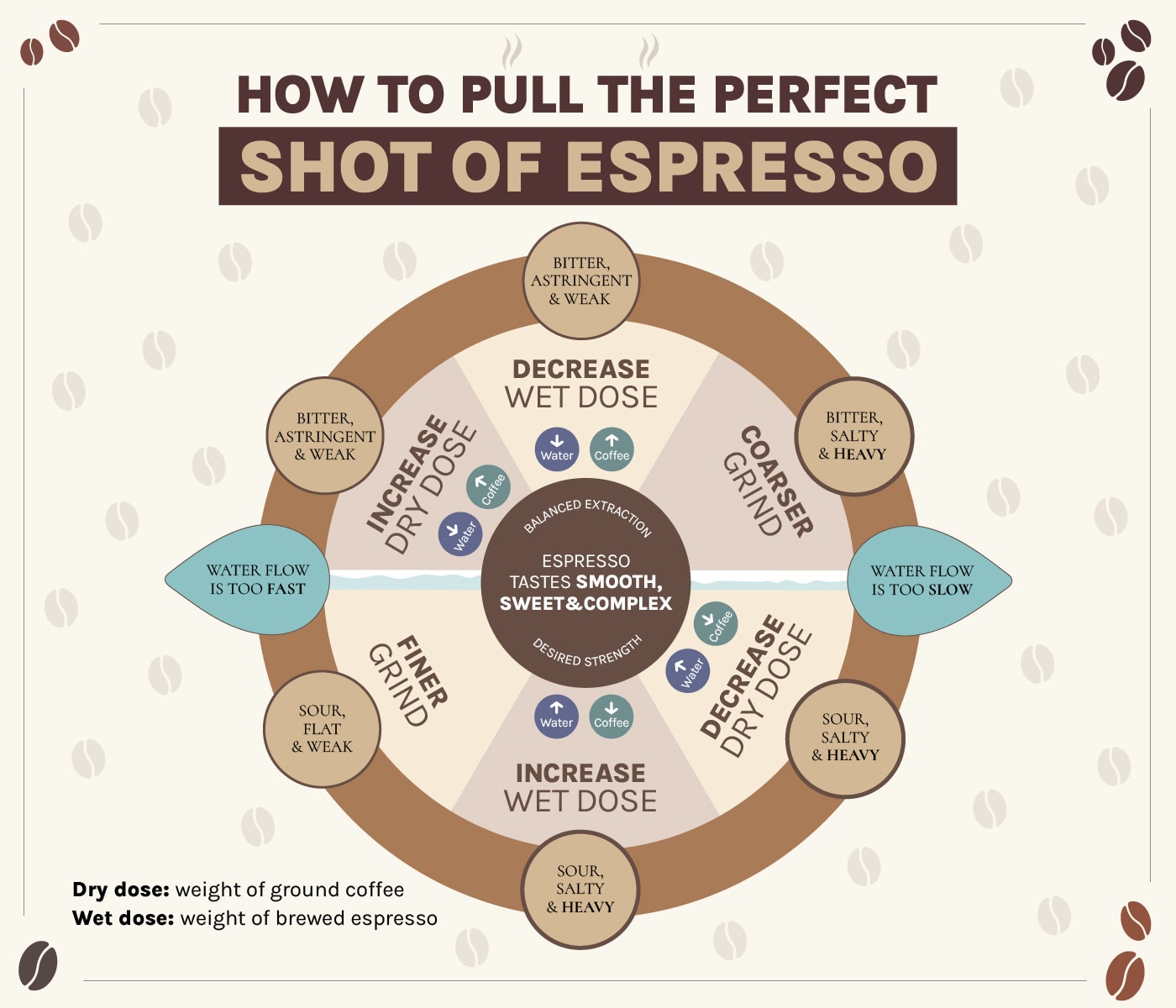
Under-extraction means water didn’t spend enough time or contact with the coffee grounds.
Common under-extraction causes:
- Grind is too coarse
- Shot runs too fast
- Brew ratio is too low
- Water temperature is too cool
- Dose is too small
Even one of these can create sour espresso — multiple at once guarantees it.
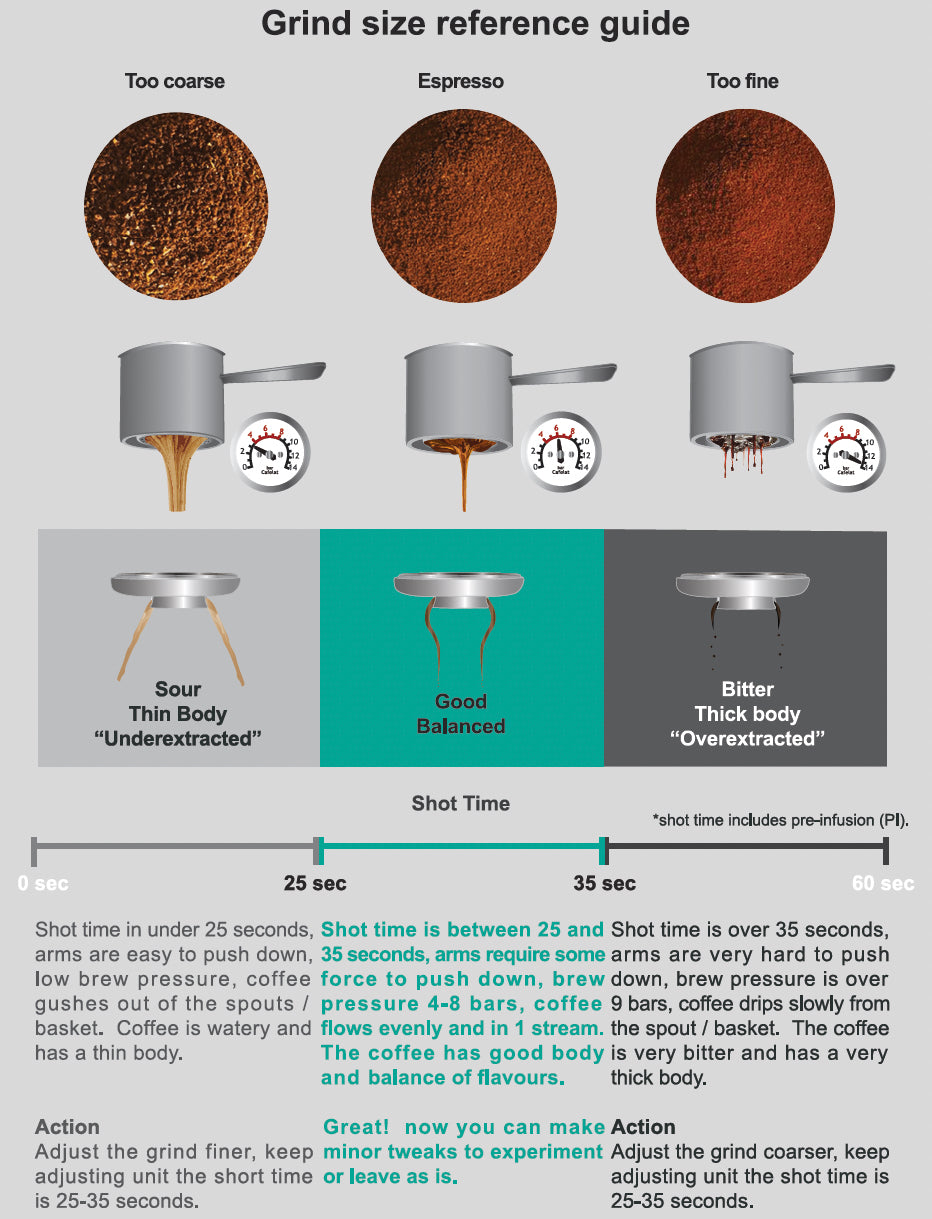
Grind Size: Too Coarse = Sour Shots


A grind that’s too coarse lets water rush through the puck, pulling acids but leaving sweetness behind.
Signs your grind is too coarse:
- Shot finishes in under 20 seconds
- Espresso tastes thin and sour
- Crema is pale and weak
Fix it:
- Adjust slightly finer (small changes matter)
- Re-dial shot timing toward 25–30 seconds
- Use consistent burr grinding, not blade grinding
Sour espresso is often solved simply by tightening the grind.
Shot Time: Fast Shots Create Acid Bombs
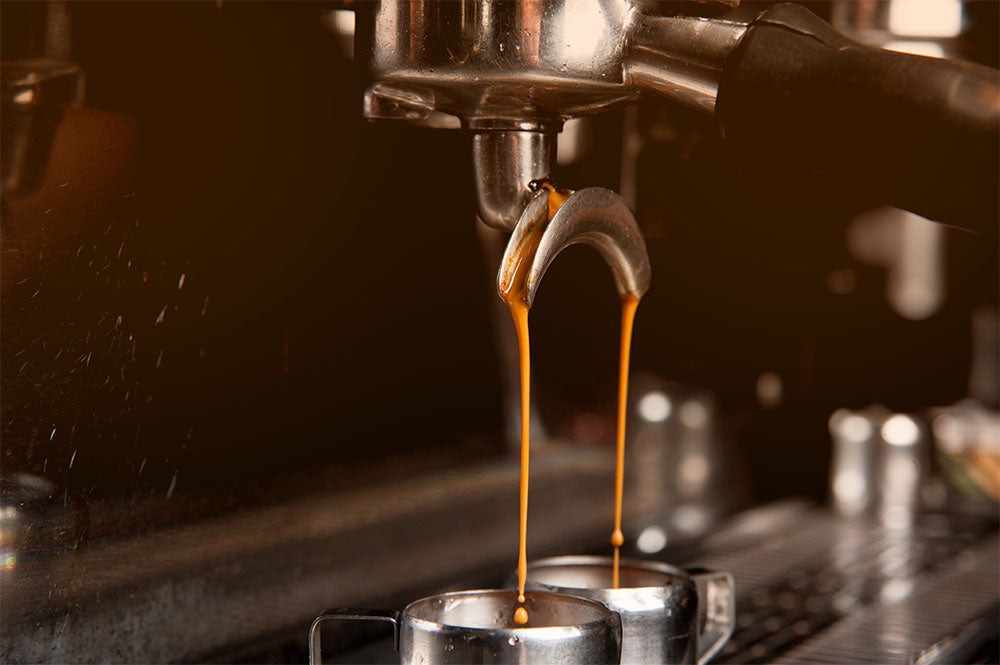
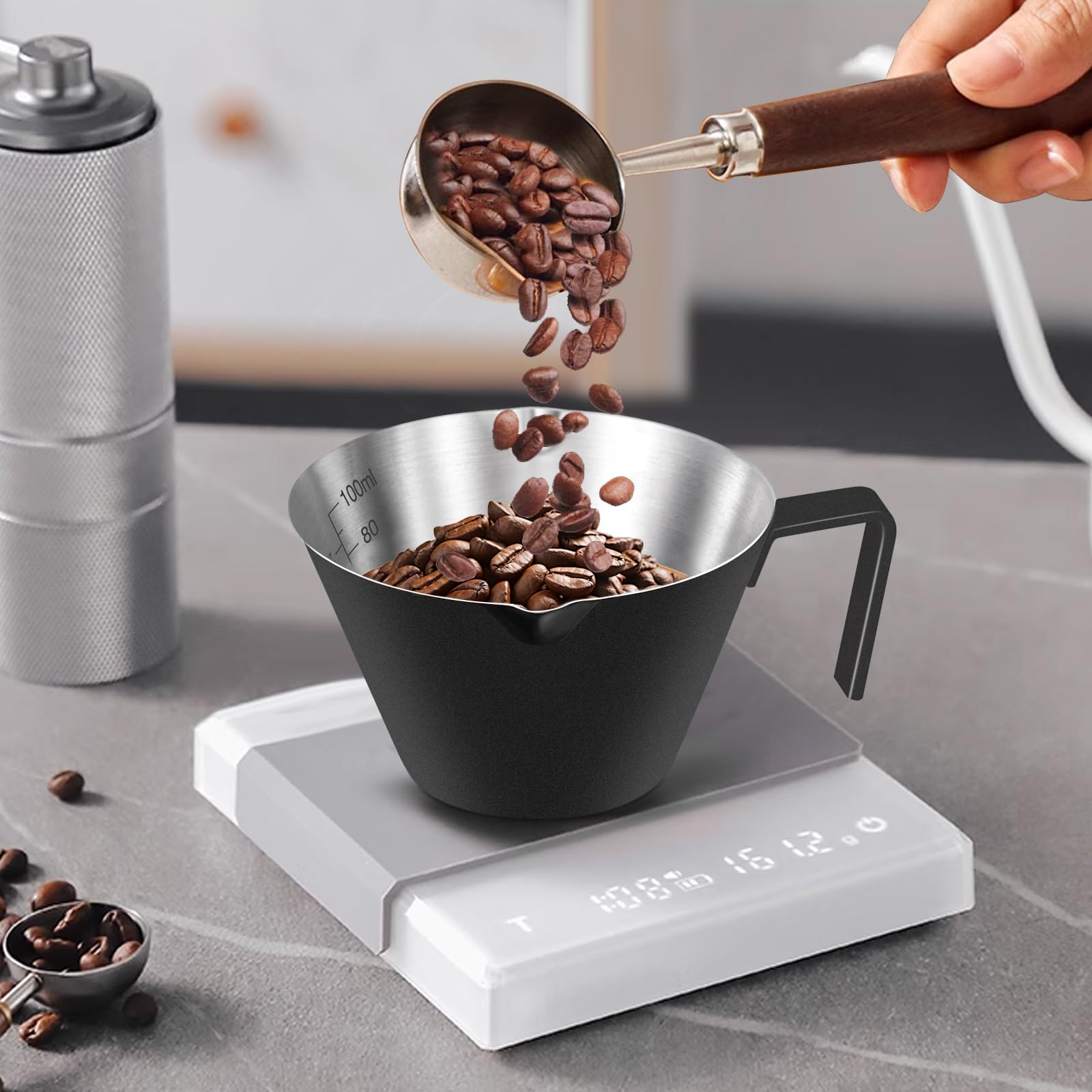
If your espresso pulls too fast, extraction ends before sugars develop.
Ideal espresso timing:
- 18–20g dose
- 36–40g yield
- 25–30 seconds
Shots that finish in 15–20 seconds almost always taste sour.
Time is flavor.
Rushing espresso guarantees acidity.
Brew Ratio: Too Short = Too Sour
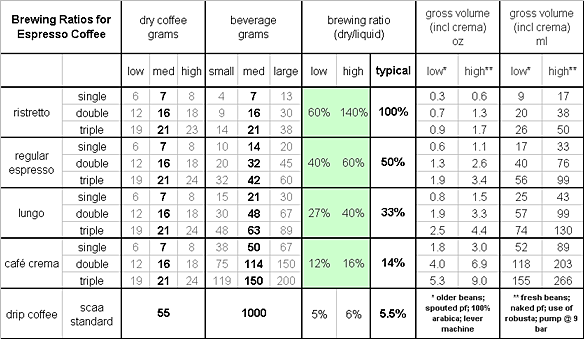

A common beginner mistake is stopping shots too early.
Typical sour ratio:
- 18g in → 25–30g out
Balanced espresso ratio:
- 1:2 (18g in → 36g out)
Short ratios concentrate acids without allowing sweetness to develop.
Water Temperature: Cool Water Causes Sour Espresso


Low water temperature struggles to extract sugars.
Ideal espresso temperature:
- 195°F–205°F (90–96°C)
Problems arise when:
- Machines lack temperature stability
- Shots are pulled before full warm-up
- Group heads are cold
Fix it:
- Fully warm machine (15–30 min)
- Preheat portafilter and cup
- Flush group head before brewing
Dose Problems: Too Little Coffee = Too Acidic
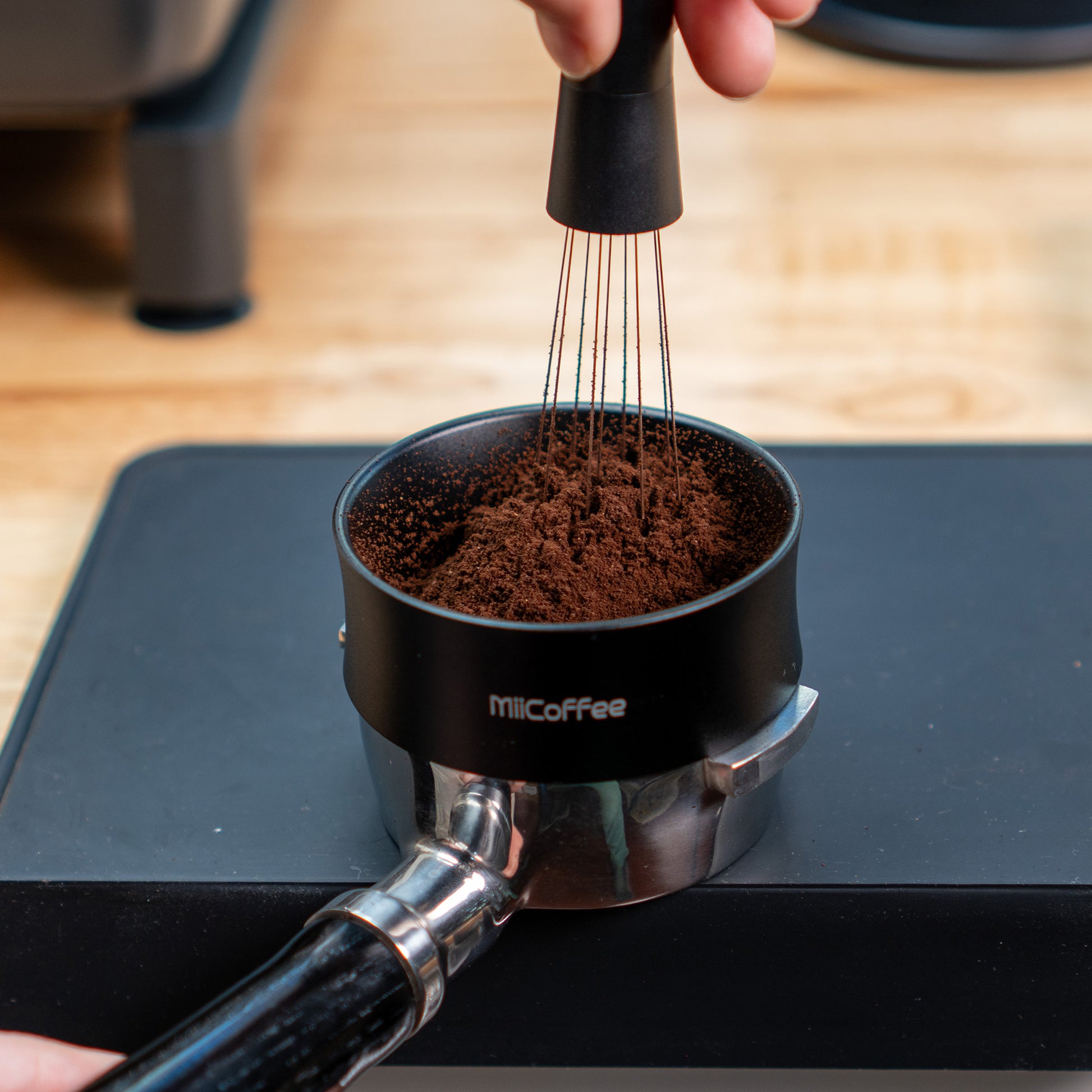
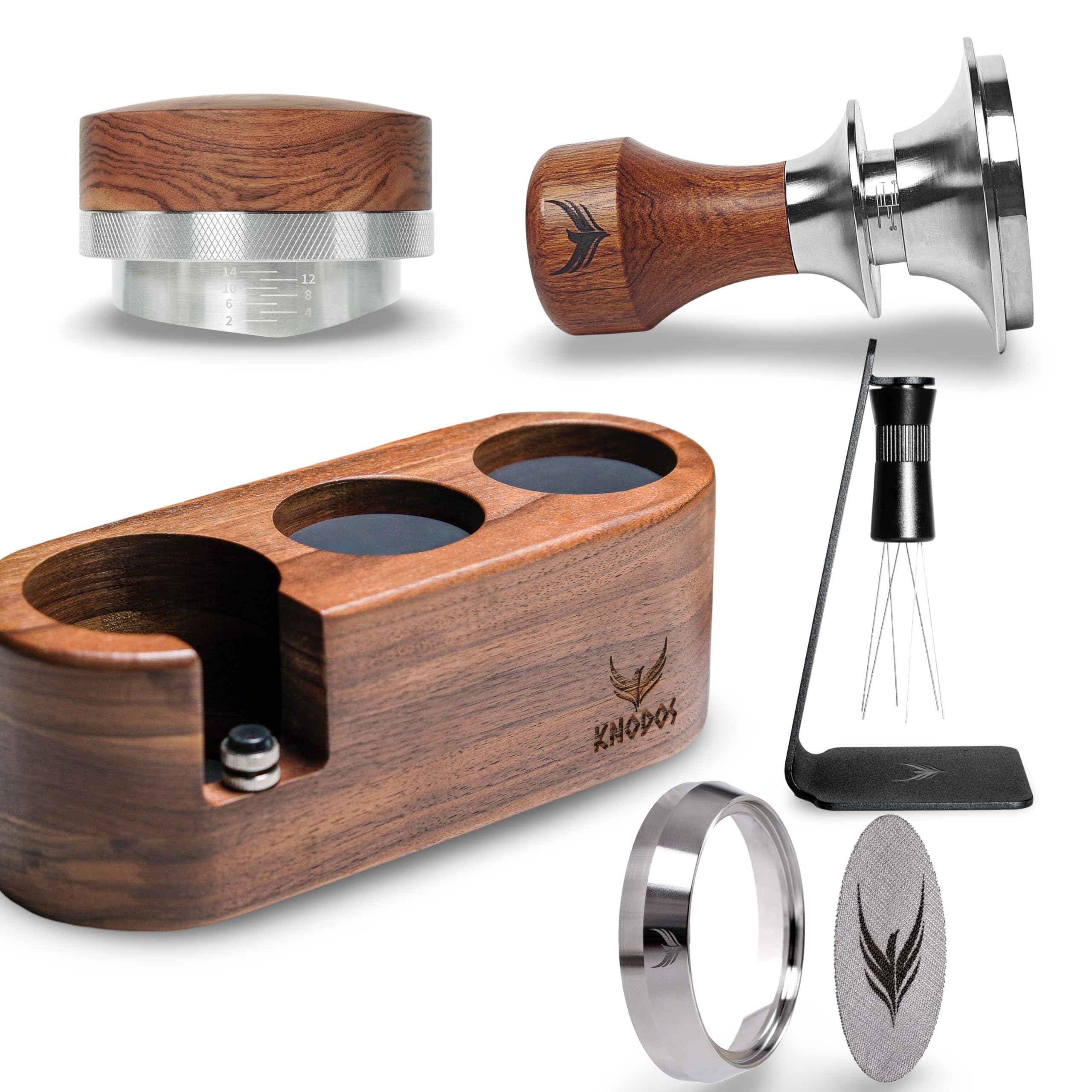
Underdosing reduces resistance, speeding extraction and increasing sourness.
Fix it:
- Use 18–20g in a standard double basket
- Avoid underfilling baskets
- Match basket size to dose
Espresso thrives on controlled resistance.
Light Roasts vs Sour Espresso
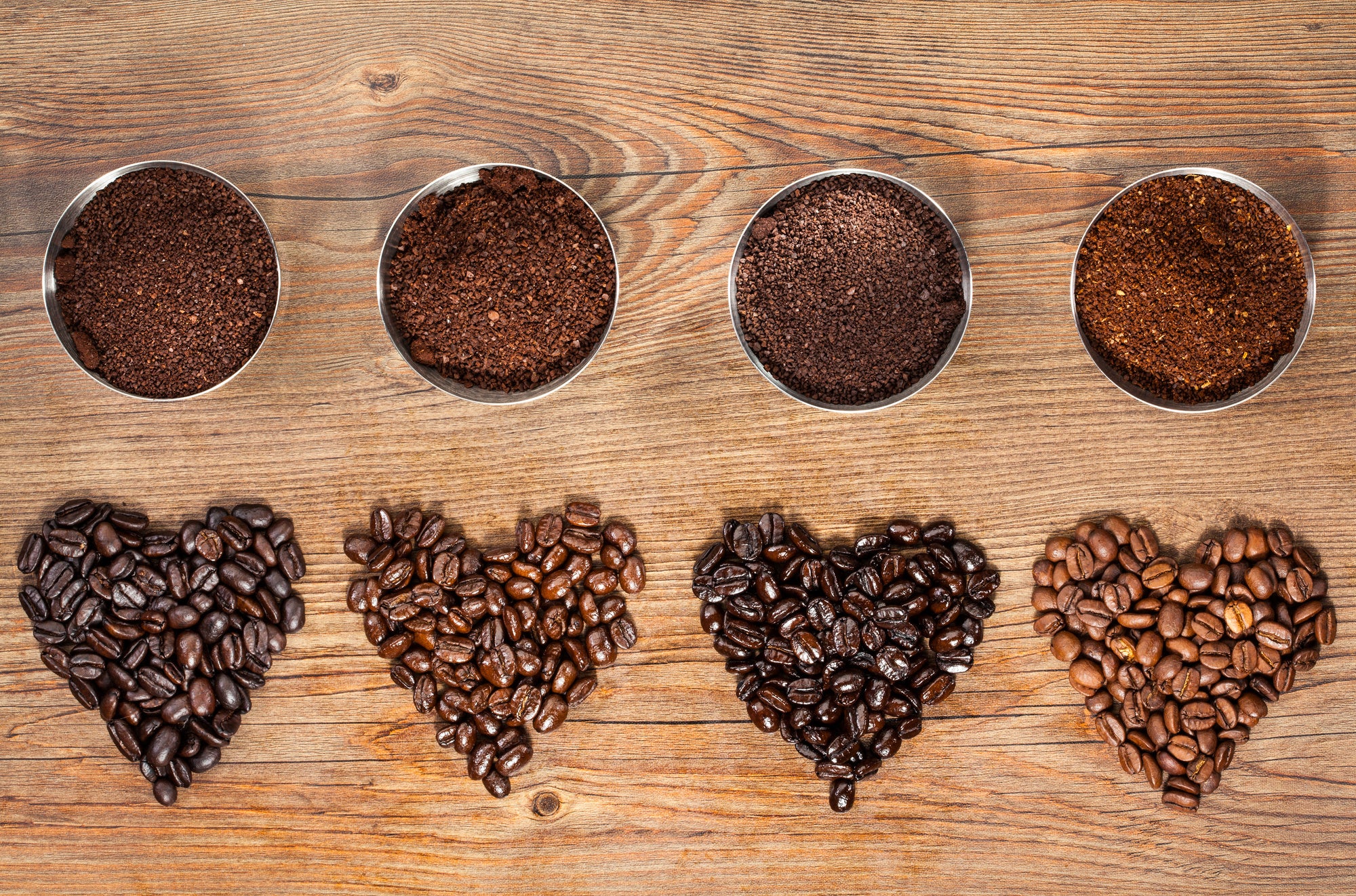
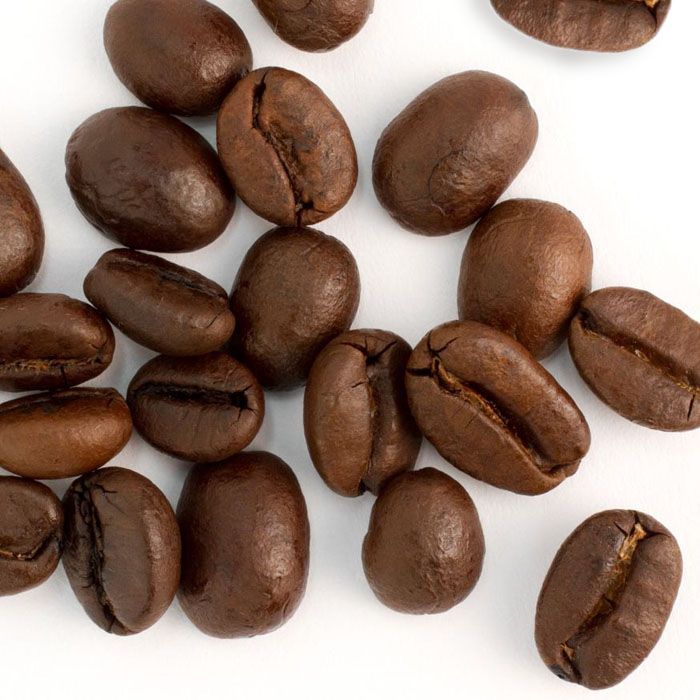
Light roasts naturally have more acidity — but they shouldn’t taste sour.
Light roasts require:
- Finer grind
- Longer extraction
- Slightly higher temperatures
If you’re new to espresso, medium roasts are far easier to dial in and far less likely to taste sour.
Sour vs Bitter: Know the Difference
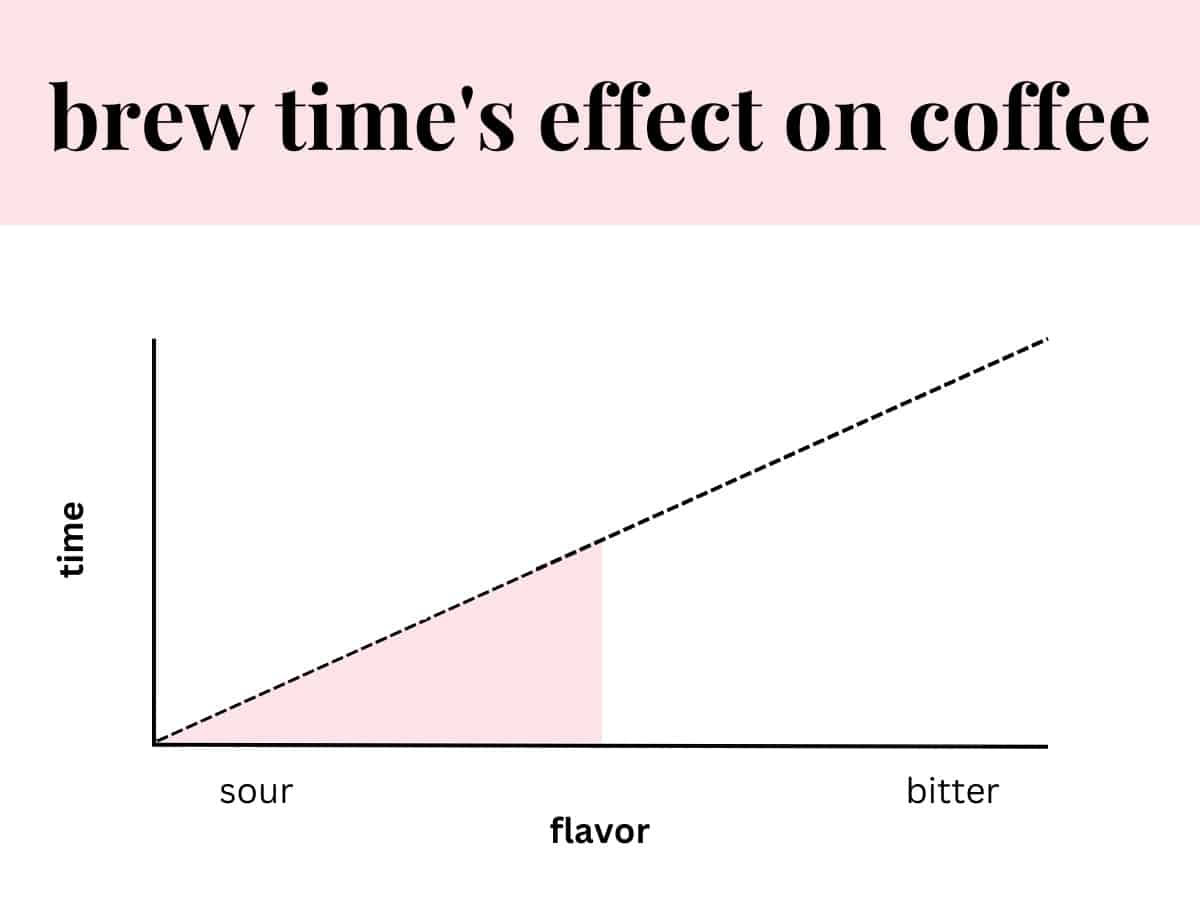
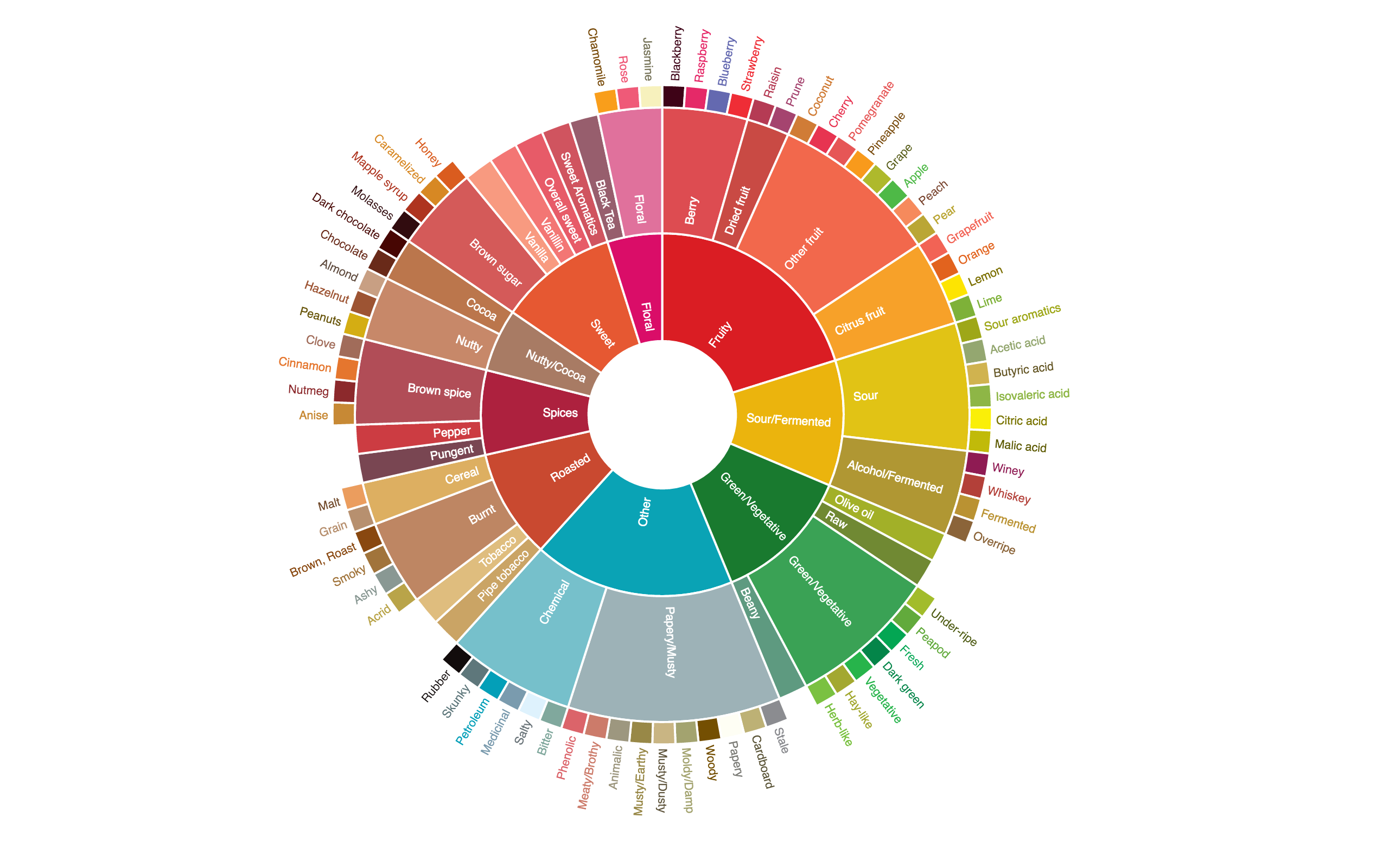
| Sour Espresso | Bitter Espresso |
|---|---|
| Sharp, lemon-like | Dry, harsh |
| Thin mouthfeel | Heavy, drying |
| Fast extraction | Slow extraction |
| Under-extracted | Over-extracted |
Correct diagnosis saves endless frustration.
Quick Fix Checklist (Save This)
If your espresso tastes sour, adjust in this order:
- Grind finer
- Extend shot time
- Increase brew ratio
- Raise water temperature
- Increase dose slightly
Change one variable at a time.
When Sour Espresso Isn’t Your Fault
Sometimes sour shots persist due to:
- Inconsistent grinders
- Temperature-unstable machines
- Pressurized portafilters
- Old or poorly roasted beans
At a certain point, equipment limits consistency, not skill.
Leave a Reply