What Every Coffee Drinker Should Know About Health, Performance, and Balance
Coffee is one of the most widely consumed beverages in the world—used for focus, productivity, and daily momentum. But like any powerful tool, coffee works best when used intentionally.
This guide breaks down the benefits and risks of coffee, helping you understand how caffeine affects energy, performance, sleep, and long-term health—so you can make informed decisions.
Coffee is one of the most widely consumed beverages in the world. For millions of people, it’s more than a drink — it’s a ritual, a productivity tool, and a daily source of comfort and focus. From early mornings to late nights, coffee plays a major role in modern life.
But while coffee offers a wide range of benefits, it also comes with potential risks when consumed improperly or in excess. Understanding both sides allows you to make informed choices about how coffee fits into your lifestyle.
This guide breaks down the proven benefits of coffee, the possible risks, and how to enjoy coffee in a way that maximizes the upside while minimizing the downsides.
The Benefits of Coffee
1. Increased Energy and Mental Alertness
The most well-known benefit of coffee comes from caffeine, a natural stimulant that affects the central nervous system. Caffeine works by blocking adenosine, a neurotransmitter that promotes sleep and relaxation. As adenosine levels drop, alertness increases.
This results in:
- Improved focus
- Faster reaction times
- Reduced feelings of fatigue
- Increased motivation
For people who need to stay sharp — such as professionals, students, shift workers, and creatives — coffee can be an effective cognitive enhancer when used responsibly.
2. Improved Physical Performance
Caffeine has been shown to increase adrenaline levels, which prepares the body for physical exertion. This is one reason coffee is commonly consumed before workouts.
Potential performance benefits include:
- Increased endurance
- Improved strength output
- Reduced perceived effort during exercise
Because of these effects, coffee is often used as a natural pre-workout alternative.
3. Rich Source of Antioxidants
Coffee is one of the largest sources of antioxidants in many people’s diets. Antioxidants help combat oxidative stress caused by free radicals, which can damage cells over time.
These compounds may help:
- Reduce inflammation
- Support cellular health
- Protect against long-term disease processes
In some diets, coffee contributes more antioxidants than fruits and vegetables combined.
4. Enhanced Mood and Mental Well-Being
Moderate coffee consumption has been associated with improved mood and a lower risk of depression. Caffeine can increase the release of neurotransmitters like dopamine and serotonin, which are linked to feelings of pleasure and well-being.
Many people report:
- Improved mood
- Greater sense of motivation
- Reduced mental fog
When paired with positive routines, coffee can support both emotional and mental performance.
5. Potential Long-Term Health Benefits
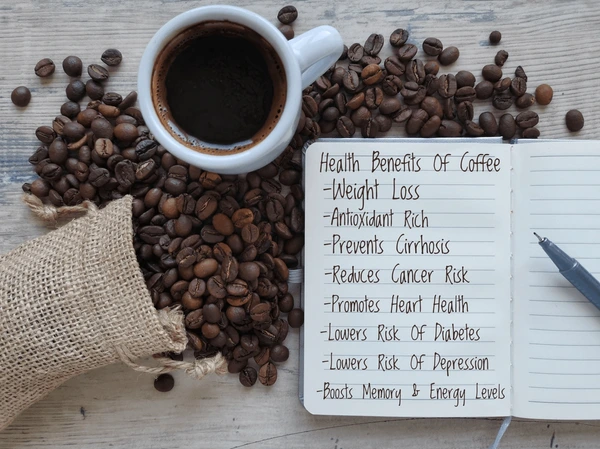
Research has linked moderate coffee consumption with a reduced risk of several conditions, including:
- Type 2 diabetes
- Neurodegenerative diseases
- Certain liver conditions
While coffee is not a medical treatment, consistent research suggests that moderate intake can play a supportive role in long-term health.
The Risks of Coffee
Despite its benefits, coffee is not without drawbacks — especially when consumed in excess or by individuals sensitive to caffeine.
1. Sleep Disruption
Caffeine can remain in the body for several hours. Consuming coffee too late in the day may:
- Delay sleep onset
- Reduce sleep quality
- Increase nighttime awakenings
Poor sleep can negate many of coffee’s benefits and lead to a cycle of fatigue and over-consumption.
2. Increased Anxiety and Jitters
High doses of caffeine may cause:
- Nervousness
- Restlessness
- Rapid heart rate
- Shakiness
Individuals prone to anxiety or panic symptoms may be especially sensitive. In these cases, reducing intake or choosing lower-caffeine options can help.
3. Digestive Discomfort
Coffee can stimulate stomach acid production, which may lead to:
- Acid reflux
- Heartburn
- Stomach irritation
This effect can be more pronounced when coffee is consumed on an empty stomach or in large quantities.
4. Caffeine Dependence and Withdrawal
Regular caffeine consumption can lead to physical dependence. When intake is suddenly reduced, withdrawal symptoms may occur, including:
- Headaches
- Fatigue
- Irritability
- Difficulty concentrating
These symptoms are temporary but can be uncomfortable. Gradual reduction is usually more effective than abrupt elimination.
5. Increased Heart Rate and Blood Pressure (in Some Individuals)
Caffeine may temporarily increase heart rate and blood pressure, particularly in people who are caffeine-sensitive or have underlying cardiovascular concerns.
Anyone with medical conditions should consult a healthcare professional regarding appropriate caffeine intake.
How to Enjoy Coffee Responsibly
To get the benefits of coffee without the downsides, consider these best practices:
- Limit intake to moderate levels
- Avoid coffee late in the day
- Stay hydrated
- Pay attention to how your body reacts
- Choose quality coffee over quantity
Coffee should support your energy and productivity — not control it.
Final Thoughts
Coffee is a powerful and widely enjoyed beverage with real benefits when consumed thoughtfully. From improved alertness and performance to antioxidant support and mood enhancement, coffee can play a positive role in daily life.
At the same time, overuse or poor timing can lead to sleep disruption, anxiety, and dependence. The key is balance. Understanding your own tolerance and habits allows you to enjoy coffee as a tool — not a crutch.
Used wisely, coffee can be both enjoyable and beneficial.
Using Coffee as a Tool—Not a Crutch
Coffee is most effective when it supports your routine instead of controlling it. Understanding your tolerance, timing intake wisely, and prioritizing sleep allows you to enjoy coffee’s benefits without unnecessary downsides.
Want to go deeper? Explore our Coffee & Espresso FAQ, browse trusted tools on our Amazon Coffee Gear page, or read more guides on the Speedo Espresso Blog.
Written by Moses Real, Editor at Speedo Espresso
Date Written
Date Modified
Written By

Leave a Reply