2026 Is the New 2016: Why Retro Coffee Culture Is Making a Massive Comeback
The internet has spoken: “2026 is the new 2016.”
From TikTok trends and fashion revivals to music playlists and lifestyle habits, the cultural mood has shifted toward nostalgia. People are craving comfort, familiarity, and rituals that feel grounding again.
And nowhere is that shift more obvious — or more influential — than in coffee culture.
Coffee has always mirrored society. When life feels fast and chaotic, coffee trends become louder, sweeter, and more extreme. When people slow down, coffee becomes intentional, ritualistic, and personal. That’s exactly what we’re seeing right now.
As the world looks backward for comfort, coffee culture is quietly returning to the values that defined 2016 — quality over gimmicks, routines over rush, and the joy of making a great cup at home.
Let’s break down why this nostalgia wave matters, how coffee fits perfectly into it, and what it means for coffee drinkers right now.
What “2026 Is the New 2016” Really Means
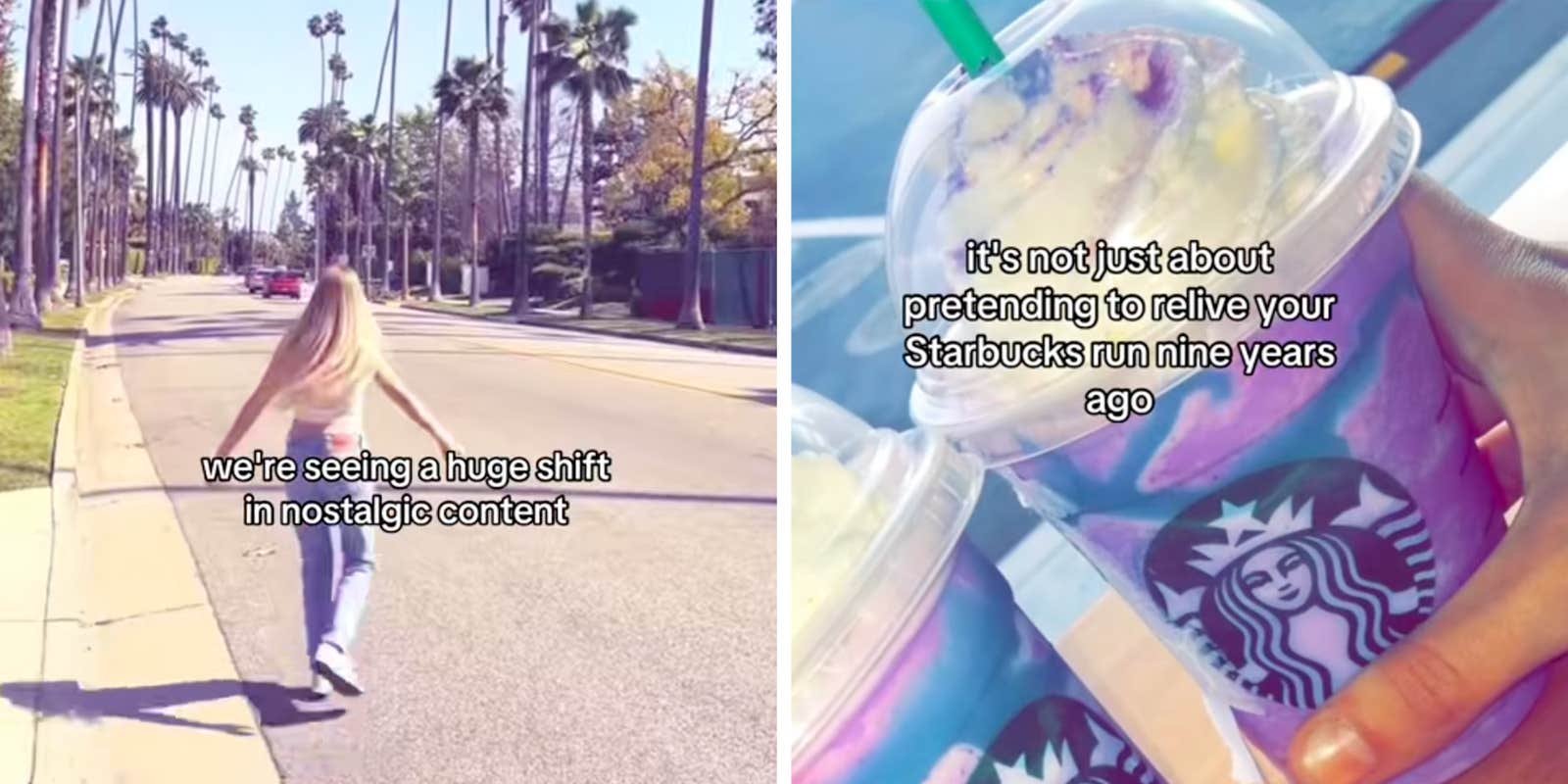
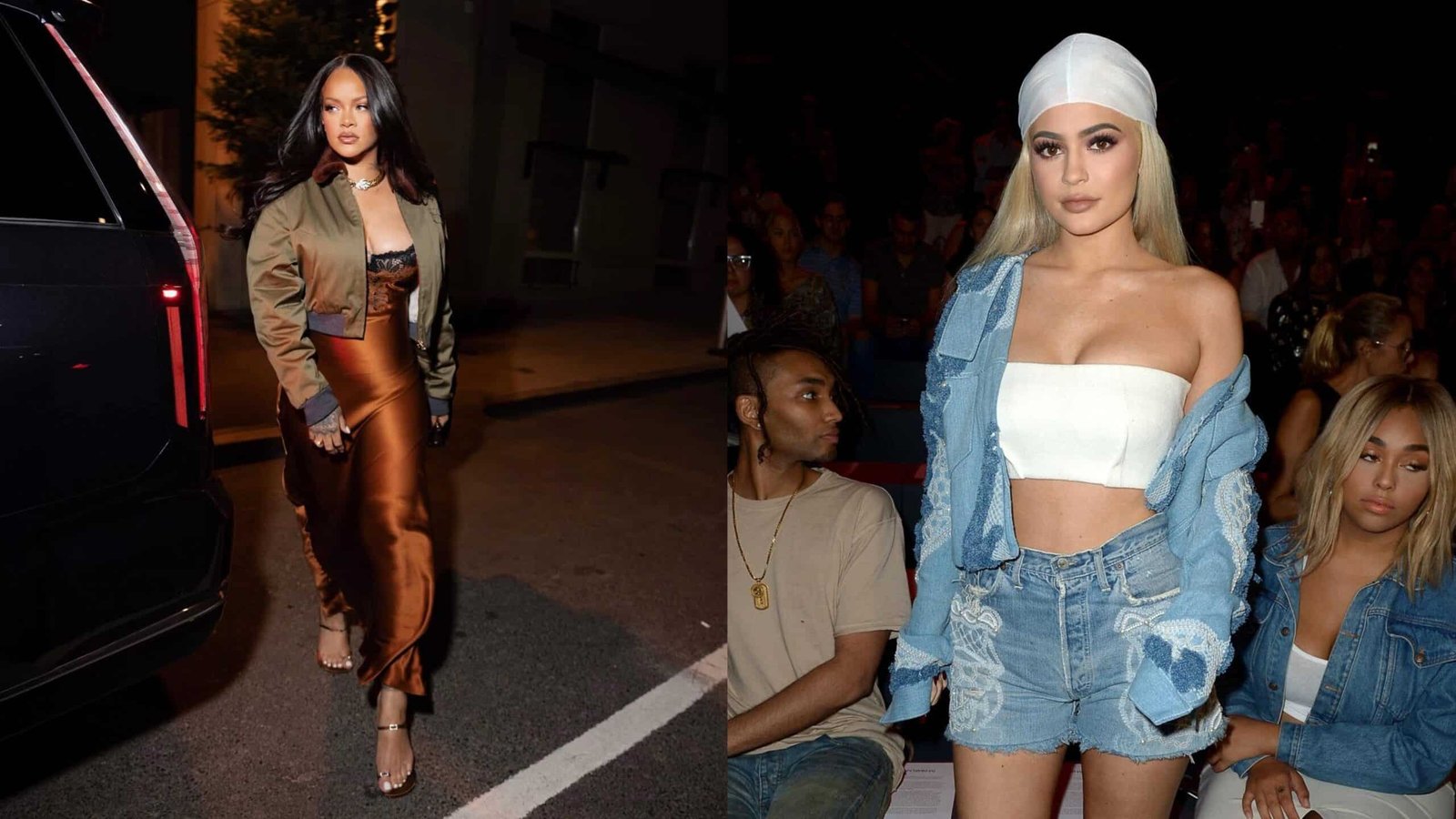
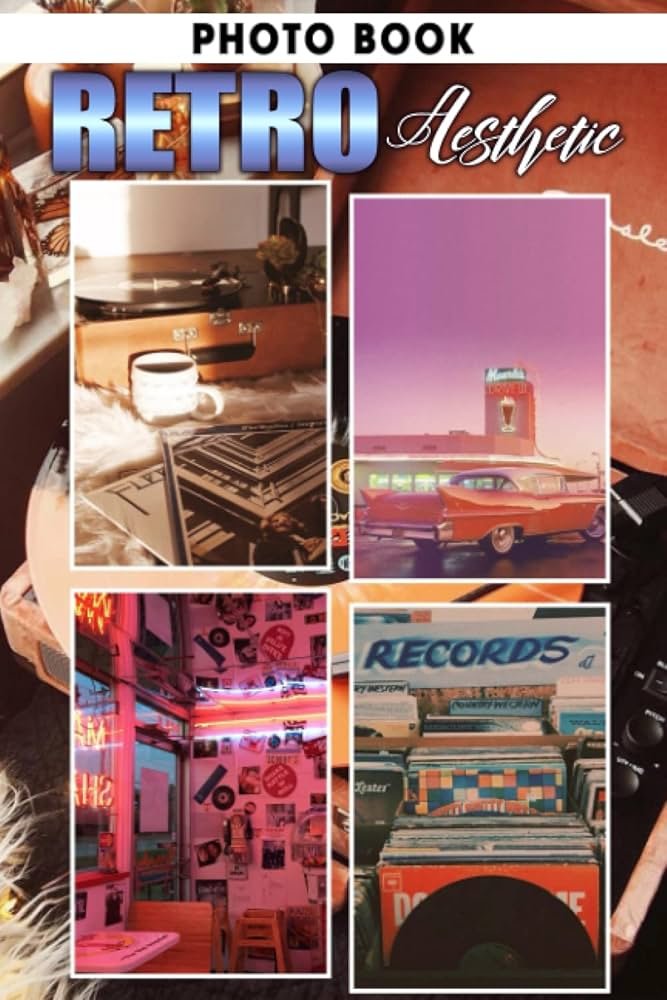
The phrase “2026 is the new 2016” didn’t start as a marketing slogan. It emerged organically across social platforms as users noticed a familiar pattern: styles, habits, and cultural moods from the mid-2010s are resurfacing.
In 2016, life felt simpler to many people. Social media was less commercialized. Trends felt organic instead of engineered. Routines mattered. People still enjoyed slowing down — even briefly — before the world became hyper-optimized and algorithm-driven.
Today, that longing is back.
Nostalgia isn’t about pretending the past was perfect. It’s about reclaiming moments that felt human. Morning routines. Familiar flavors. Small pleasures that don’t require constant stimulation.
Coffee fits directly into that emotional space.
How Coffee Culture Looked in 2016
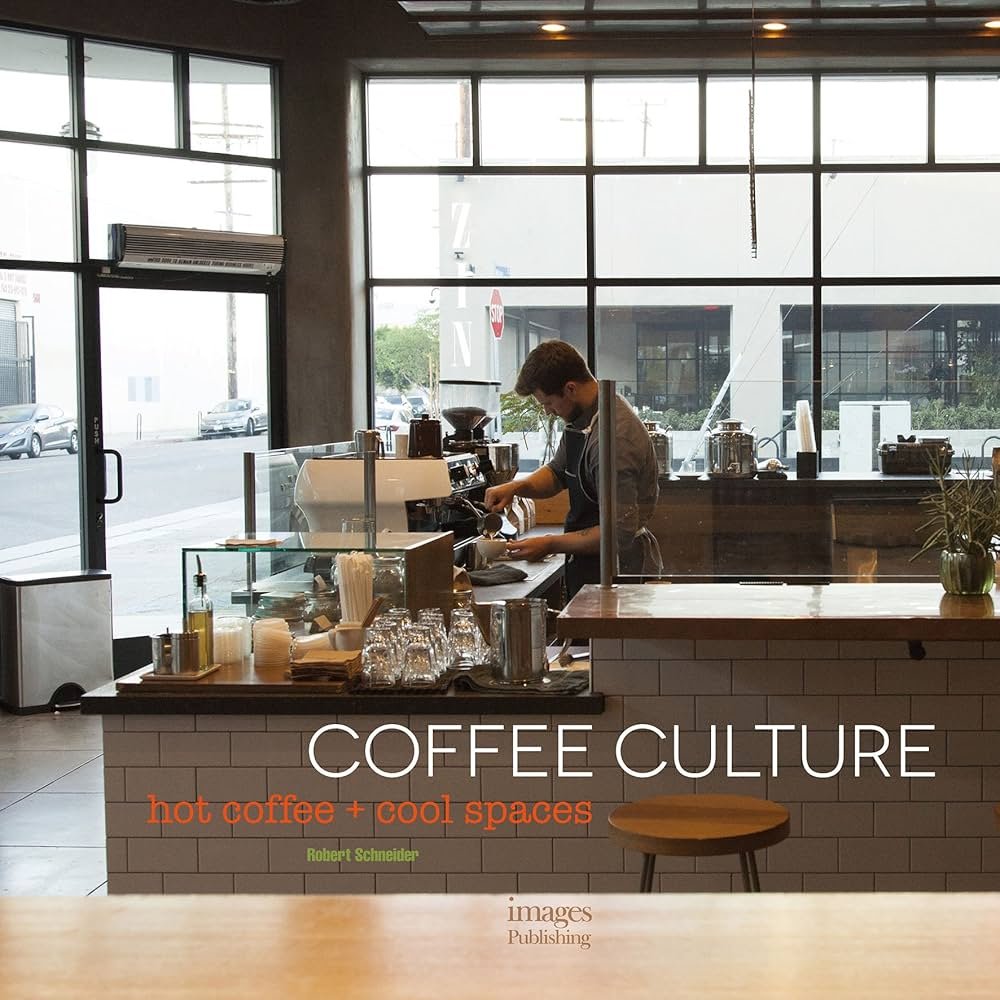
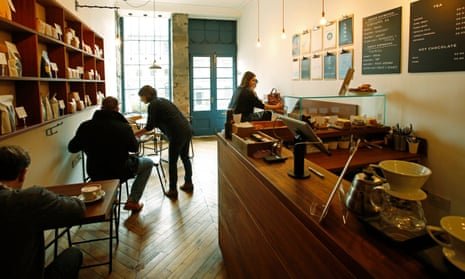
To understand why coffee is looping back, you have to remember what coffee culture actually looked like in 2016.
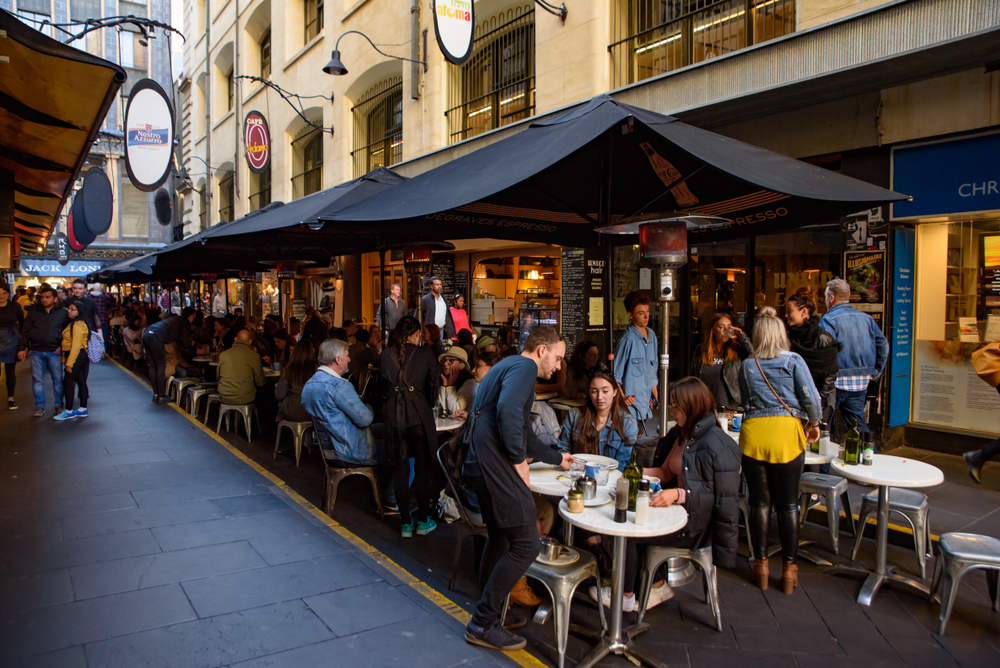
This was the height of the third-wave coffee movement going mainstream. Specialty cafés were everywhere. Latte art flooded Instagram. People started caring not just about caffeine, but about where their coffee came from and how it was brewed.
Key characteristics of 2016 coffee culture included:
- A surge in manual brewing methods like pour-over and French press
- Espresso becoming a lifestyle symbol, not just a café drink
- A focus on single-origin beans and freshness
- Coffee shops acting as social and creative hubs
- Brewing coffee at home as a point of pride
Coffee wasn’t rushed. It wasn’t overloaded with syrups and novelty flavors. It was intentional, personal, and often ritualistic.
Fast forward to today — and those same values are resurfacing.
The Coffee Trends From 2016 That Are Exploding Again in 2026
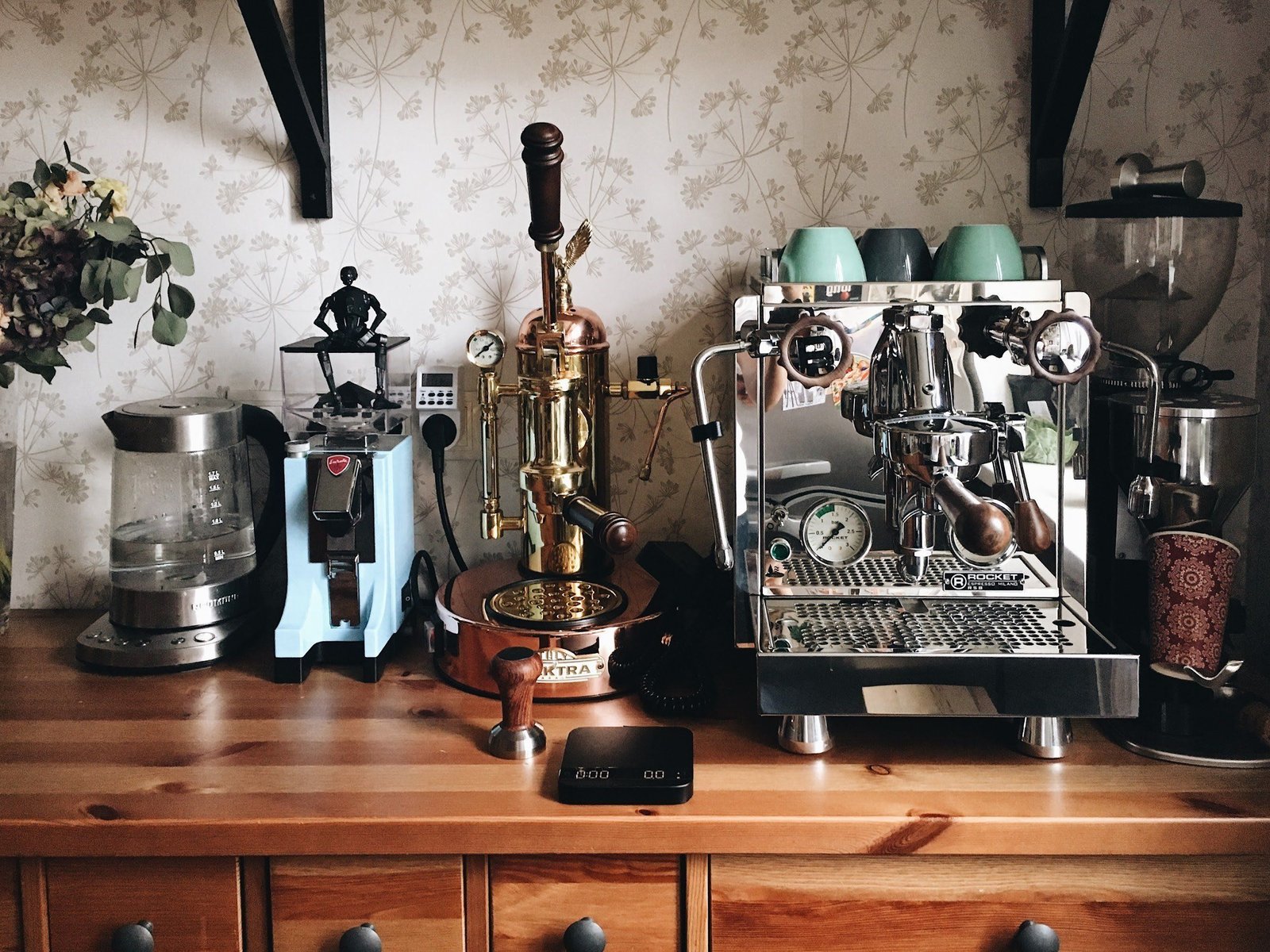


The nostalgia wave isn’t bringing coffee trends back exactly as they were — it’s refining them. What worked in 2016 is returning, minus the excess.
Home Espresso Is Cool Again
In 2016, owning an espresso machine at home felt aspirational. Today, it feels essential.
More people are investing in home setups that let them recreate café-quality drinks without leaving the house. Not because it’s trendy — but because it’s comforting. The process itself becomes part of the enjoyment.
Grinding beans, pulling a shot, steaming milk — these actions slow people down in a world that rarely does.
Manual Brewing Is Back in a Big Way
Pour-over, French press, and other manual methods are experiencing a resurgence. These methods force you to be present. There’s no rushing a good pour-over.
This aligns perfectly with the nostalgia mindset: fewer shortcuts, more intention.
Simple Coffee Is Winning
In contrast to the sugar-heavy, novelty-driven drinks that dominated recent years, many coffee drinkers are returning to simpler flavors:
- Espresso
- Black coffee
- Light milk drinks
- Naturally flavored beans
Quality is replacing complexity — a hallmark of 2016 coffee culture.
Why Nostalgia Makes People Spend More on Coffee


Nostalgia isn’t just emotional — it’s behavioral.
When people feel uncertain about the future, they spend more on small, controllable comforts. Coffee sits at the top of that list because it’s both practical and indulgent.
A better grinder. Higher-quality beans. A more satisfying brewing method. These purchases feel justified because they improve something people already do every day.
Psychologically, nostalgia increases trust and lowers resistance to spending. It makes buyers feel safe choosing familiar, proven products rather than chasing the next trend.
That’s why coffee gear, beans, and brewing tools convert so well during cultural nostalgia cycles.
What This Trend Means for Coffee Drinkers Right Now


For everyday coffee drinkers, this shift means one thing: better coffee experiences at home.
Instead of chasing café trends, more people are upgrading their basics:
- Fresher beans
- Better grinders
- More consistent brewing methods
- Fewer additives, better flavor
This isn’t about becoming a coffee snob. It’s about enjoying coffee the way people did when it felt personal again.
If 2026 truly is echoing 2016, then coffee drinkers are rediscovering what made coffee enjoyable in the first place — not just something to consume, but something to experience.
The Future of Coffee Culture Looks a Lot Like the Past

Coffee culture doesn’t move in straight lines. It moves in cycles.
The excess eventually burns out. The noise fades. What remains are the habits that genuinely made people happy.
In 2026, coffee culture isn’t regressing — it’s refining. The best parts of 2016 are being rediscovered and adapted for modern life.
Slower mornings. Better beans. Meaningful routines.
Coffee doesn’t chase trends.
It remembers what people loved.
And right now, people are remembering that a great cup of coffee can still anchor the day.
Leave a Reply